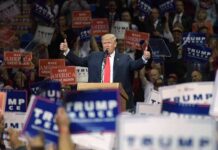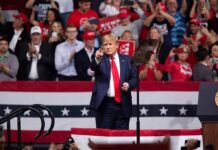
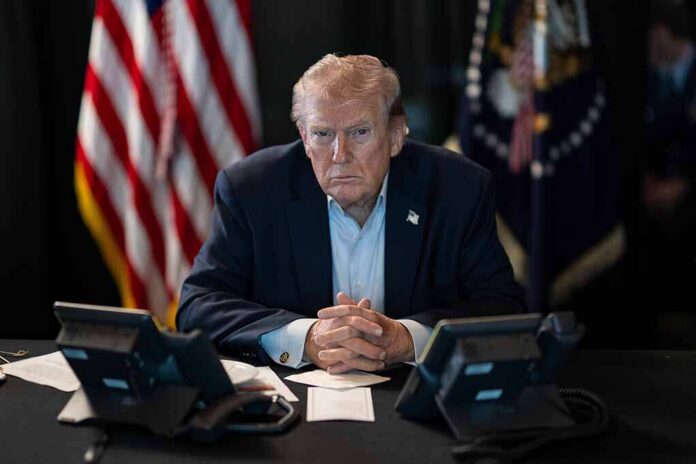
Trump told rally-goers that paying more at the pump is a “very inexpensive price to pay” to stop a hostile regime from getting a nuclear weapon, and the firestorm since then explains a lot about power, pain, and politics.
Story Snapshot
- Trump framed higher gas prices as a tradeoff tied to national security, calling it temporary.
- Average gas prices hovered above $4 per gallon amid Middle East conflict and supply risk.
- Polls show majorities blame Trump for the surge and feel budget strain.
- Energy agencies link price spikes to war-related supply shocks and volatility.
What Trump Said And Why It Lit A Match
Trump told supporters they might pay “a tiny little bit more” for gas to keep a terror state from getting a nuclear weapon, and said the price would come down later. He cast the pain as purpose and promised payoff later. That message is clear, direct, and risky. It asks people to tie their daily bill to a faraway fight. It also leans on a classic play: trade short-term cost for long-term safety.
The price backdrop is not small. National pump prices sat above $4 per gallon in early September. Some states were much higher, with coastal markets leading the pack. That tracks with reports that showed a year-over-year jump of more than a dollar, as drivers watched totals climb with each click. The price picture formed during a period of war pressure on oil flows and strained refining margins that hit consumers fast.
War, Supply, And Why Prices Jump Fast
Energy agencies tie large price moves to conflict, chokepoints, and fear of shortage. When a major shipping route faces risk, the market prices that in right away. Traders pay more to move oil, and refineries pay more for crude. Retail prices then react in days or weeks. The Energy Information Administration and other analysts raised oil price forecasts as the Iran war drained stockpiles and stirred global volatility.
History shows the chain is tight: conflict raises risk, risk lifts crude, crude lifts gasoline. The link does not require a full cutoff. The hint of loss can be enough. That is why leaders talk, markets twitch, and drivers pay. It is also why policy talk about drilling or permits cannot fix prices overnight. Physical supply and shipping routes set the bounds. Messaging helps at the margins, not at the pump tomorrow.
Voters Heard “Pay More” And Drew A Straight Line
Polls show voters blame Trump for higher gas, by large margins. Many say their budgets feel the hit, week after week. The share who assign at least some blame tops three-quarters in one national survey. That is a brutal headwind in any midterm year. People remember yesterday’s receipt more than tomorrow’s promise. They hear “temporary” but see the new total on the screen today.
On kitchen-table math, the case for patience is hard to sell. That is not because the tradeoff is wrong in principle. It is because the tradeoff is invisible in savings. Families do not get a rebate for deterrence. They only get a higher bill. If the payoff shows up later, they may not link it back. A conservative case needs proof of progress, a clock, and a path to cheaper fuel that does not weaken security.
Does The Trade Make Sense On Policy And Price?
A national security lens says: stopping a nuclear threat is worth real cost. A household lens says: show how long, how much, and how we win. Those two truths can live together. The policy test is whether actions shorten the war risk window and restore supply confidence. If yes, prices should fall with time. If no, the “tiny little bit” turns into a long drag. Markets will answer faster than speeches will.
House Republican Meeting Turns Into Shouting Match: ‘This Is Fucking War!’
Speaker Mike Johnson summoned top GOP members to discuss suspending the gas tax, but the session got ugly and personal.
https://t.co/yqQAO5qbvE— Steve Williams (@HISteveWilliams) September 16, 2026
A conservative, common-sense path threads both aims. First, keep the pressure needed to deter a nuclear breakout. Second, rush supply relief that does not undercut the mission. That list is plain: accelerate refinery maintenance clearances, fast-track safe pipeline debottlenecks, allow time-limited waivers for seasonal fuel blends, and signal steady future supply so traders stop pricing panic. Pair that with clear war aims and milestones the public can track.
Sources:
mediaite.com, rev.com, cnn.com, huffpost.com, theguardian.com
© patriotnewsdaily.com 2026. All rights reserved.