A Pentagon memo loaned Homeland Security a single military “heat ray” for seven months, with DHS—not the military—set to run the tests and write the playbook.
Story Snapshot
- Defense approval loans one Active Denial System to DHS for testing, not automatic deployment.
- DHS will operate the system and craft tactics, techniques, and procedures—not Defense personnel.
- The device creates intense heat on the skin to drive people back from over a half mile away.
- Safety, rules of use, and test sites remain undisclosed, inviting scrutiny and pushback.
What The Memo Actually Does
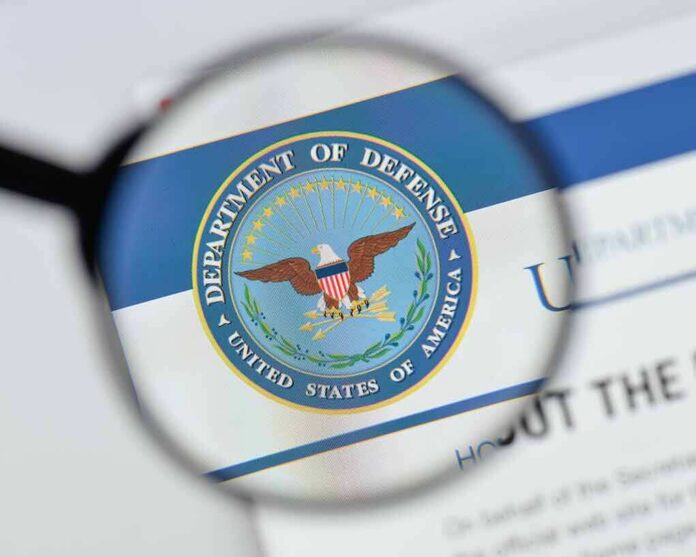
Defense Secretary Pete Hegseth signed an authorization that loans one Active Denial System to the Department of Homeland Security for seven months starting in September 2026. The memo frames the loan as a testing period to develop procedures and evaluate potential border use, not a go order for deployment. A defense official said DHS can request continued use after the loan if it sees a need. That step-by-step structure matters more than the noise around “heat ray” headlines.
The memo also draws a bright line on control. Homeland Security, not Defense, must operate the system and write the rulebook. The text states the weapon “shall not be operated by Department of War personnel.” That puts accountability on DHS agencies and their supervisors for every activation and after-action report. It also pushes questions back on DHS: who is trained, who authorizes a shot, what gets logged, and how incidents are reviewed for discipline and learning.
How The “Pain Beam” Works And What It Is For
The Active Denial System fires a focused beam that heats the top layer of skin and causes a sharp burning sensation. People move away by instinct. The reported range is just over a half mile, which can create distance from crowds without chemical irritants or blunt impact. The intended use is simple: tell a large group “stop, turn back, disperse,” and back that message with a nonlethal pain signal to change behavior fast while limiting lasting injury risk.
The government has pitched the system for crowd control where lines matter—perimeter breaches, vehicle corridors, or choke points. Advocates portray it as a middle option between shouting and batons or bullets. That story fits common sense. If agents face a surge at a fence or a gate, and warnings fail, a short burst that sends people back can stop escalation. But that promise needs evidence in real-world conditions, not just lab data and marketing claims.
The Known Gaps: Plans, Safeguards, And Public Proof
No public plan identifies where or how DHS will test the device or who will pull the trigger. The memo gives DHS the job to build tactics, techniques, and procedures, but the department has not released a use-of-force matrix, operator standards, or incident review rules. That silence leaves citizens to imagine worst-case uses rather than see guardrails. A limited loan can be smart governance, but the case grows stronger only when the agency publishes rules, logs, and results.
Safety questions also deserve direct answers. Reports cite prior burn incidents and raise concern about eyes and faces under extended exposure. Those points do not ban the tool, but they demand tight exposure limits, clear no-go conditions, and medical protocols, especially for children and vulnerable people. A defensible policy sets per-burst caps, cooldown windows, and automatic medical checks. Anything less invites the charge that the state traded batons for a beam and called it progress.
Lessons From 2018 And The Line Between Border Security And Militarization
Former Homeland Security leaders considered this device in 2018 and rejected it amid doubts over morality and effectiveness. Critics argued the weapon treats migrants like enemy fighters and could push people into water or affect people on the Mexican side of the border. Those concerns remain live today and should be handled on the record with legal analysis and cross-border deconfliction guidance before any field test near waterways or the line itself.
DHS has not said where or how it plans to test the Active Denial System or what it would be used for.Current and former border officials told CNN that using it to disperse migrants had been discussed for years.Use against people in Mexico could create additional legal complicatio
— Stories Framing the Globe (@SFGMediaHQ) October 22, 2026
Policy should balance two truths that most conservatives accept. The nation must control its border with tools that work, and government must use force with restraint and clear rules. A seven-month loan to test and verify can serve both aims if DHS shows its work. Publish the memo and annexes. Release the tactics and training standards. Set medical and legal limits in plain language. Log every activation. If the results show fewer injuries and better control, extend. If not, send it back.
Sources:
military.com, cnn.com, thedailybeast.com, axios.com
© patriotnewsdaily.com 2026. All rights reserved.