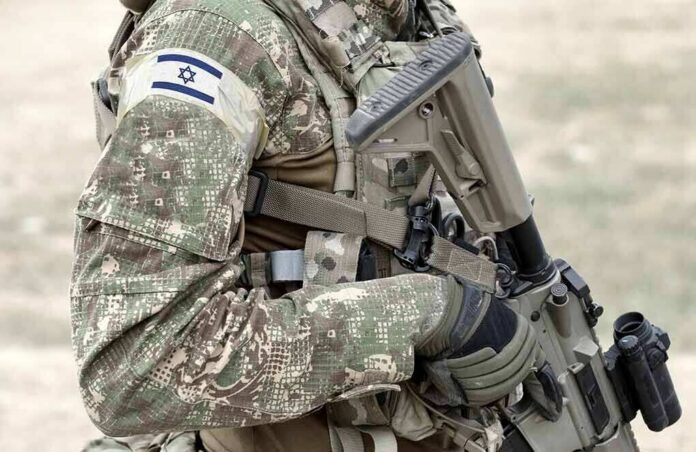
Israeli forces detained, then released, a U.S. congressional candidate during an olive harvest sweep that also netted dozens of activists.
Story Snapshot
- Troops declared a closed military zone, then detained harvest volunteers near Nahalin.
- New York candidate Brad Lander was held for hours and then released.
- The military cited missing prior coordination and public-order needs for the action.
- Dozens of others reportedly stayed in custody after Lander’s release.
What Happened On The Ground
Israeli forces detained New York congressional candidate Brad Lander during an olive harvest event near the West Bank village of Nahalin. Reporters at National Public Radio said troops declared the area a closed military zone and took a large group to a police station. The outlet described about 80 rabbis and activists among those detained. Lander later posted that he had been held and then released after several hours. His detention and release were also reported by major U.S. outlets.
Israeli authorities said the harvest in that area required prior coordination. The military told National Public Radio that farmers must submit requests ahead of the season to secure the area and keep order. Officials said no request had been filed in this case. Police and the military both said Lander was released after they learned he was a congressional candidate, while other detainees reportedly remained held longer.
Why Authorities Say They Acted
The military framed the sweep as routine enforcement of a long-standing system. Farmers who work near settlements or security barriers often need time-bound, coordinated access under army protection to reduce friction and violence. International monitors have documented these rules for years. United Nations humanitarian reporting describes access windows, prior coordination, and permit regimes that govern olive groves in sensitive areas, including near the barrier and settlements.
The stated rationale fits a wider pattern seen each harvest season. The United Nations has logged many incidents tied to the olive harvest, including settler attacks and clashes around access points. Those records explain why commanders may close areas and limit uncoordinated entry when tensions run high. That history does not prove each closure is correct, but it shows the procedures are not new or invented for a single group or personality.
Competing Narratives At The Scene
Activists said they came to help Palestinian farmers pick olives and to deter harassment. Coverage noted that some volunteers believed they followed instructions and attempted to leave but were detained anyway. Reports also differed on the total number held, ranging from roughly 80 to about 90. Those gaps likely reflect changing counts across the day, separate buses, or continuing holds after initial releases. Major outlets still agree on the central facts: a sweep, many detainees, and Lander’s same-day release.
Police said they released Lander after they learned of his candidacy. That admission raises a fair concern about equal treatment, because others remained in custody. From a common-sense, rule-of-law view, enforcement should follow the same standard for everyone on the same facts. Preferential handling for public figures, even if brief, sends the wrong signal about process and fairness. Clear, consistent rules build trust; exceptions chip away at it.
What To Watch Next
Questions that matter now are procedural, not speculative. First, whether a formal closure order covered the harvest area and when it was announced. Second, whether landowners or organizers tried to coordinate access in advance. Third, whether those who were warned and agreed to leave were still detained, and on what grounds. Records such as closure notices, dispatch logs, and release forms could settle most of this quickly. Until then, the event reads as routine enforcement intersecting with high-profile politics.
Wider Context For U.S. Readers
Olive farming is the backbone for many West Bank families. It is also a flashpoint where security, property rights, and protest collide. United Nations reporting shows that access rules and limited harvest windows have shaped life near the barrier and settlements since at least the mid-2000s. That is why foreign volunteers, rabbis, and advocacy groups show up each year. They come to support farmers and to serve as witnesses when rules, risks, and rights meet in the groves.
Sources:
military.com, us.cnn.com, politico.com, yahoo.com, ochaopt.org, un.org
© patriotnewsdaily.com 2026. All rights reserved.