Across one summer, federal teams made 8,900-plus arrests and located 1,410 child victims—numbers meant to jolt even the most jaded reader.
Story Snapshot
- Operation Summer Heat 2.0 ran June through August 2026, blending federal, state, and local teams.
- The campaign targeted drug traffickers, gangs, and child predators, with thousands of arrests nationwide.
- Louisiana’s results alone: 662 arrests, 315 firearms, 207 kilograms of drugs seized.
- The FBI Director highlighted 1,410 child victims located during the sweep.
What Happened And Why It Mattered
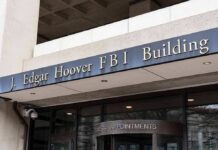
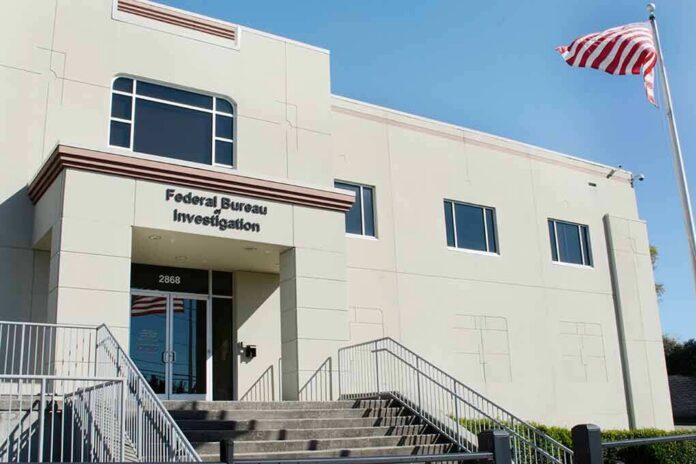
The Federal Bureau of Investigation (FBI), the Drug Enforcement Administration (DEA), and local partners spent the 2026 summer running Operation Summer Heat 2.0. The goal was clear: break drug pipelines, hit violent gangs, and track down child predators. The FBI’s New Orleans office issued a detailed results release for Louisiana. That report listed arrests, guns, drugs, and cash seized, and it named the federal and state leaders who ran point on the effort.
National coverage attributed headline totals to FBI Director Kash Patel. The tallies cited more than 8,900 arrests and 1,410 child victims located, with thousands of guns seized and significant narcotics recovered. The operation’s time window ran from early June through the end of August, with results rolled out in September. Local and regional reports during the same period described matching sub-operations under the Summer Heat 2.0 banner.
Concrete Results On The Ground
Louisiana data shows how the operation worked in practice. Partners there reported 662 arrests, 315 seized firearms, over 200 kilograms of drugs, and more than $325,000 in cash. The release identified the key officials, including FBI Special Agent in Charge Jonathan Tapp; United States Attorney Kurt Wall; Louisiana Attorney General Liz Murrill; and senior leaders from the Bureau of Alcohol, Tobacco, Firearms and Explosives and the DEA. Local sheriffs and police chiefs also joined the rollout, underscoring the joint structure.
Similar field results surfaced in the Mid-Atlantic. The FBI’s Baltimore-area surge, tied to Summer Heat 2.0, reported 109 fugitive arrests across Maryland and Delaware. Reported charges included rape, child abuse, sexual assault of a minor, and child exploitation. These arrests show the campaign did not just hit drug corridors; it also targeted violent fugitives and suspects who harmed children.
The Child-Victim Metric And Public Safety Stakes
The figure that stops people cold is 1,410 child victims located. Coverage tied that outcome to the summer operation’s sweeps and parallel child-protection work. The term “located” appeared in reporting that recapped bureau statements and Director Patel’s remarks. The precise category mix—missing, exploited, or otherwise—was not broken out in the cited coverage, but the scale conveys the operation’s child-focused lane alongside guns and drugs. One caveat belongs here: reporting used official statements for the national roll-up count.
FBI Operation Summer Heat 2.0. June 1 to Sept 20.
8,927 arrests. 1,410 children located. 5,013 weapons seized.
Children located up 34 percent from last year’s operation. Weapons seized up 120 percent.
That is the job. Find the kids. Lock up the people who took them.— Vitruvius Republic 🇺🇸 (@realMAG1775) October 3, 2026
For readers who prize American conservative values and common sense, the priority is simple: protect kids first, then push crime down by removing armed repeat offenders. The campaign’s structure fits that stance. Federal leadership set direction, while local officers who know the streets carried out the hard work. Seized guns and recovered children represent direct public safety wins. Arrests for violent and sexual offenses signal that the operation went beyond showy numbers to target serious threats.
How These Totals Fit A Bigger Pattern
Large joint operations often report roll-up figures after short, intense windows. Summer Heat 2.0 matched that model with a June-to-August push and September briefings. Independent criminal justice research shows that national arrest totals are often composites of agency submissions and estimates when reporting is incomplete. That context explains why press and field-office releases become the way the public sees results—through official data, not a single national ledger.
Local reporting from Louisiana and the Mid-Atlantic adds weight because it lists specific arrests, drugs, and guns. Those details matter more than a headline alone. They show officers worked real cases, seized contraband, and took wanted suspects off the street. That is how residents feel change: fewer illegal guns on corners, fewer fugitives in neighborhoods, and children returned to safe hands.
What To Watch Next
Officials often follow a summer surge with fall and winter case filings. Federal indictments and state charges tied to these arrests should move through courts in the months ahead. Public briefings may add more numbers as evidence testing and deconfliction finish. Communities should watch for follow-on warrants based on leads from seized phones and guns. Those often drive a second wave of arrests that keep the pressure on gangs and drug suppliers into the next year.
The lesson is direct. Focused, joint enforcement can make a quick, wide dent in crime. When teams hit drug routes, seize guns, and protect children at the same time, neighborhoods feel it. That is the mission most people expect: stop predators, back the beat cop, and hold the line. The 2026 summer campaign put that mission on a clock and delivered measurable results across multiple states.
Sources:
zerohedge.com, dea.gov, us.headtopics.com, breitbart.com, cmsapi.theepochtimes.com, fbi.gov, wbaltv.com, theepochtimes.com, flvoicenews.com, southernmarylandchronicle.com, signalscv.com
© patriotnewsdaily.com 2026. All rights reserved.