
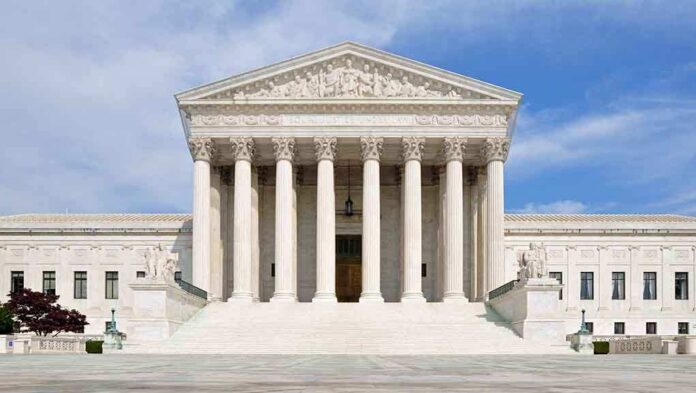
Justice Samuel Alito says he weighed retirement, will revisit it every term, and is staying on the Supreme Court for now.
Story Snapshot
- Alito says he considered retiring at the end of the last term.
- He plans to reassess retirement every year going forward.
- He confirmed he will serve at least another Supreme Court term.
- Reports say he hired clerks and aims to remain into at least 2027.
Alito’s Bottom Line: Thought About Leaving, Decided To Stay
Justice Samuel Alito said he seriously thought about retiring at the end of the last Supreme Court term but chose to continue because he believes he still adds value to the Court’s work. He also said he will revisit the decision each year. That plain statement, from on-the-record interviews, sets the tone: he is not quitting now, but he is thinking about timing. One sentence matters most for the near term: “Obviously I’m here for another term,” Alito said earlier this year.
Major outlets reported the same core facts. Politico, The Hill, and others quoted Alito on weighing retirement and staying put. Reuters and Cable News Network reported his plan to remain through at least the coming term, echoing his own words. ABC News reported he hired clerks for the next term and intended to serve into at least 2027, citing people close to him. No formal retirement letter or Court announcement exists because there is no retirement yet. The decision window remains open but not immediate.
What Annual Reassessment Really Signals
Supreme Court justices often make big moves at term’s end. The Court runs on yearly cycles, which creates a natural decision point. Alito’s plan to reassess each term tracks long-standing patterns in judicial careers and pensions. Research shows most justices now leave by retirement rather than death in office, a shift that shows planning and timing matter more today than in the past. That rhythm does not mean a fixed date. It means he will watch health, docket, and the country, then decide.
One claim always rides shotgun with retirement talk: politics. Commentators link any possible Alito exit to nomination fights because Supreme Court seats reshape law for decades. Historical summaries from Congress’s research arm show vacancies arrive irregularly but with major impact, and since 1954 most openings came from retirements, which parties watch closely. Some advocacy groups argue justices time exits for aligned presidents and Senates, while academic work says evidence of strict political timing is mixed. The real takeaway is simpler: every vacancy counts, so everyone counts the days.
What Staying Means For The Next Term
Alito’s decision to remain stabilizes the Court’s immediate lineup and its case planning. Clerk hiring signals workload and continuity. ABC News reported that Alito completed that step for the next term, fitting his public stance to keep serving into at least 2027. That means litigants, states, and Congress can expect a full nine-justice bench on opening day. It also means any nomination battle, if one comes, would not start this term based on Alito alone. The oxygen stays with the merits docket, not confirmations.
READ NOW: Alito Reveals He Considered Retirement, Will Revisit Decision Each Term — Justice Samuel Alito said he considered retiring this year but decided to stay because he believed he could still contribute to the…https://t.co/Y160uRI3Kp
— Top News by CPAC (@TopNewsbyCPAC) October 3, 2026
On values and common sense, Alito’s approach reads like the sober path. A judge should serve while he can do the job well, and step aside when he cannot. He said he believes he can still contribute. That claim fits with his public work ethic and with a conservative view of duty: finish the work in front of you and do not turn a court into a campaign calendar. Critics may try to force a date. The record, as of now, sets only one: another term with Alito in his seat.
How To Read The Next Moves Without Reading Tea Leaves
Two things will change the story. First, Alito could issue a formal statement that he will retire on a set date. That would trigger the constitutional process: a nomination by President Trump, then Senate advice and consent. Second, he could repeat this year’s call and keep serving. Until then, the smart read is the narrow one. He considered retirement. He stayed. He will check again next term. The future fight will come when an actual vacancy does, not before.
Sources:
feedpress.me, politico.com, washingtonexaminer.com, ground.news, washingtonsun.com, cnn.com
© patriotnewsdaily.com 2026. All rights reserved.