A single checkbox on a government form just became the center of a federal lawsuit over who gets to vote from overseas.
Story Snapshot
- The Democratic National Committee sued the Trump administration on October 1, challenging changes to the Federal Post Card Application used by Americans abroad.
- The Pentagon removed a checkbox for citizens who have never lived in the United States, using an emergency process that skipped normal public comment.
- The Pentagon says the old checkbox confused voters about their eligibility under federal law.
- The lawsuit asks a Washington, D.C. federal court to throw out the revised form before the midterms.
What Changed On The Overseas Voter Form
The Federal Post Card Application lets Americans overseas register to vote and request absentee ballots. For years, it included a checkbox reading “I am a U.S. citizen living outside the country, I have never lived in the United States.” In August, the Pentagon quietly removed that option. NPR reported the revised form now leaves only two response choices for people without an active-duty military link.
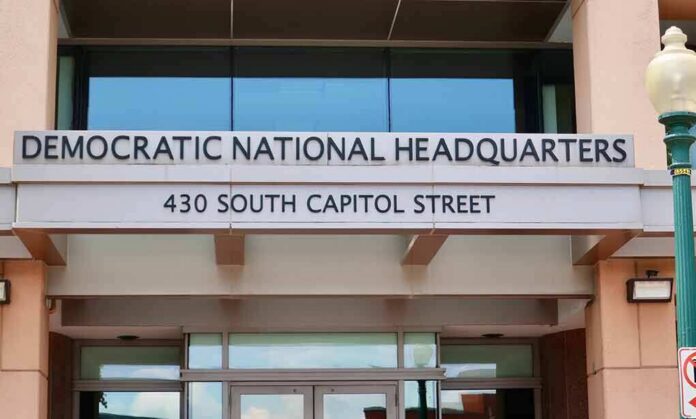
The Democratic National Committee filed suit in federal court in Washington, D.C., arguing the Pentagon and the Office of Management and Budget broke the law by changing the form without the usual notice-and-comment process. The New York Times reported the committee’s lawyers wrote that the changes could make it “impossible” for some overseas citizens to use the form at all.
Why The Pentagon Says It Made The Change
Deputy Undersecretary of War Sean O’Keefe explained the reasoning in an August 13 letter to federal regulators. He wrote that the old form “may confuse voters about the information they are required to provide under Federal law and their eligibility to use these forms to register and vote.” The Pentagon argued the law governing overseas voting defines eligible voters as military members and people who once lived in the United States before leaving, not those who never lived here at all.
O’Keefe’s letter stated that removing the checkbox “will reduce confusion and avoid the use of the form by those who are ineligible.” He also said the next federal election was fewer than ninety days away, leaving no time for the standard review process. That urgency claim is what let the Pentagon skip the public comment period normally required before changing a federal form.
The Legal Fight Over Process And Access
Democracy Docket reported the change was made on an “emergency” basis that bypassed procedures required under the Administrative Procedure Act. The committee’s complaint frames this as a rushed, last-minute move timed just weeks before the midterms, with real consequences for voters who had relied on that checkbox for years to register from abroad.
The committee also points to a related move: the Federal Voting Assistance Program took down a webpage that gave guidance to citizens born and living abroad. Whether that removal was tied to the form change or a separate decision remains unclear from the public record, but the committee frames both actions as part of the same pattern limiting information for overseas citizens.
The Core Legal Question Still Unresolved
At the heart of the fight is a genuine legal question, not just a political one. The relevant federal voting law defines overseas voters largely as military members and people who once lived in the United States. Commentary following the Pentagon’s own letter noted that citizens who never lived here may fall outside that definition entirely, meaning the checkbox may have offered an option the law never clearly authorized. That is a fair point, and courts will have to sort out whether removing it was a lawful correction or an unlawful barrier.
Election law experts have long argued that substantive changes to federal voting forms deserve public scrutiny before they take effect, since even small wording changes can shift who completes a form correctly. Testimony before the Election Assistance Commission noted that only minor, cosmetic fixes should skip that review, while substantive changes should go through full rulemaking. Whether this change counts as cosmetic or substantive is now a question for a federal judge, not cable news.
DNC sues Trump Administration over changes to overseas voter registration form#TrumpAdministration #DNC #OverseasVoters #VotingRights #VoterRegistration https://t.co/vN4d2reD3e
— lalluram (@Lalluram_Eng) October 2, 2026
No court has ruled yet, and the lawsuit remains an allegation, not a finding of wrongdoing. The real test will come when a judge weighs the Pentagon’s stated legal rationale against the committee’s claim that the process itself was unlawful. Until then, the fight over one small checkbox stands in for a much bigger argument about who gets to decide the rules for American voters living thousands of miles from home.
Sources:
nypost.com, theguardian.com, npr.org, democracydocket.com, theepochtimes.com, economictimes.indiatimes.com, travel.state.gov
© patriotnewsdaily.com 2026. All rights reserved.