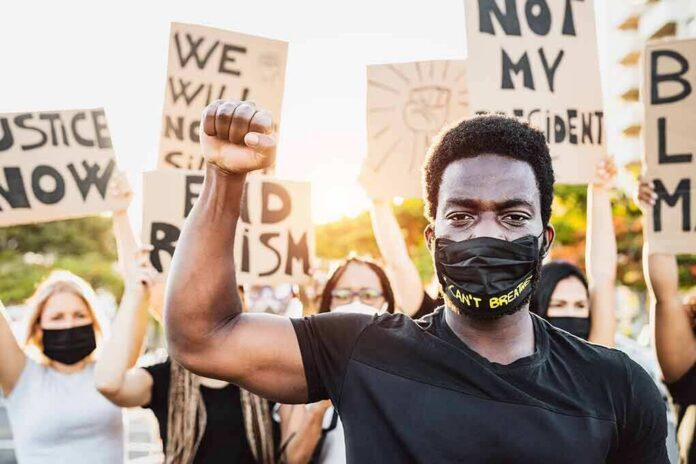
New York City moved from talk to machinery: a formal reparations study and truth process are now underway under city law, with Mayor Zohran Mamdani signaling openness to remedies that could include money.
Story Snapshot
- City law orders a reparations study and a Truth, Healing, and Reconciliation plan.
- Mamdani backed funding for community input on reparations during a budget crunch.
- The study can consider financial and nonfinancial remedies, not just symbolism.
- Any final plan would face legal, fiscal, and political hurdles at city and state levels.
What New York City Actually Passed
The City Council approved laws that direct the New York City Commission on Racial Equity to publish a reparations study and to run a citywide Truth, Healing, and Reconciliation process. The Commission confirms both mandates under Local Laws 91 and 92 of 2024. The agency describes work to examine city ties to slavery, Jim Crow, and ongoing harms, alongside a plan to gather stories, data, and remedies across neighborhoods.
Shackles Shakedown: Mayor Zohran Mamdani Is Open to Making New Yorkers Pay Slave Reparations https://t.co/YXimuKcT16 if you can’t figure out how to get an ID how will you trace your genetic history to prove you were a slave ?
— pat (@patgill69033215) July 29, 2026
Reports and council summaries state the study may evaluate monetary and nonmonetary options. That includes compensation concepts, in-kind support, and public acknowledgments. Coverage of the council vote noted possible payment ideas, yet stopped short of a set dollar figure or a guaranteed check. The language creates room to propose remedies but does not force one path. That detail matters when people hear “payments now” versus “study first”.
Where Mayor Mamdani Stands
Mayor Zohran Mamdani ran as a supporter of exploring reparations and kept that stance after taking office. News reports documented that his team set aside funding for community discussions on reparations and help for Black New Yorkers, even as the city faced a large deficit. That move drew sharp reactions because it links a sensitive topic to taxpayer money during tight times. The mayor’s allies frame it as listening before deciding.
The administration’s racial equity arm says the law requires it to implement the truth process and publish the reparations study. A recent city press release outlined the steps to hire an outside research team, gather data, and deliver findings. That timeline signals this is a formal policy track, not a casual panel. The study’s output will set the menu of options that elected leaders can debate next.
What Could Happen Next—and What Cannot
The city study can recommend financial or nonfinancial remedies. It cannot write a check by itself. State guidance on its own reparations commission explains that commissions examine and advise, while elected leaders decide whether to act and how to fund it. New York City will face similar limits, including budget rules, union and pension constraints, and likely court tests. Any material payments would require clear legal authority and stable revenue.
Critics warn that a broad payout plan could drain services, push taxes higher, and push out the middle class. That concern aligns with a basic conservative test: will a plan be fair, targeted, and funded without punishing people who did nothing wrong today? Proponents counter that slavery’s legacy shows up in wealth gaps and public costs already on the books, so prevention and repair can save money long term. The coming study will try to quantify those tradeoffs.
How To Read The Headlines Versus The Fine Print
Media coverage often skips the slow, legal process and jumps to “pay now.” City documents stress a staged approach: study, public input, options, then decisions. That difference fuels confusion. The city’s law authorizes research and a process. It does not commit a dollar amount or define who qualifies. Skeptical readers should watch three milestones: the research team’s scope, the draft recommendations, and the budget note that explains costs and who pays.
The Stakes For New Yorkers’ Wallets
Taxpayers already fund the study and engagement work. News reports placed community discussion funding at about half a million dollars. Future costs will hinge on remedies chosen, if any, and how they get financed. Options range from private settlements, targeted investments, and education or housing programs, to direct payments. The practical question is not whether pain is real; it is whether a chosen remedy fixes a measured harm at a price the city can sustain.
Sources:
twitchy.com, capitalbnews.org, reparationscomm.org, blackenterprise.com, nypost.com, telegraph.co.uk, naacp.org, voanews.com, youtube.com
© patriotnewsdaily.com 2026. All rights reserved.