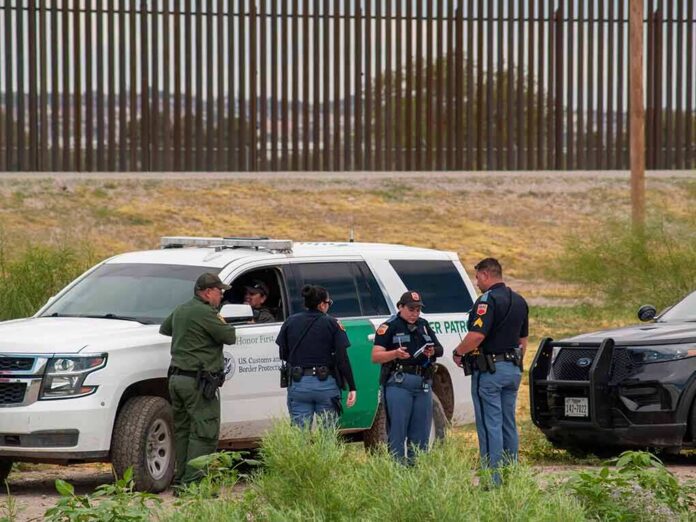
DNA collected at the border became a permanent policing tool, and the public still lacks a full audit of how far it spread.
Quick Take
- Department of Homeland Security documents show the DNA program was formally expanded in 2020.
- Georgetown researchers say Customs and Border Protection later found over 2,000 United States citizens in its records.
- The Department of Justice said federal law gave it authority to direct DNA collection from certain immigration detainees.
- Oversight gaps and missing sample-level records leave the full scale disputed.
Program Expanded Under Federal Rulemaking
The Department of Homeland Security did not launch this as a one-off border experiment. Its Privacy Impact Assessment says the agency was reissuing the document in 2020 and expanding the minimum age for DNA collection from 18 to 14. Another Homeland Security document says the department, Customs and Border Protection, and Immigration and Customs Enforcement were statutorily mandated to collect DNA from certain people in custody.
The legal path mattered. The Department of Justice issued a final rule in 2020 that gave the Attorney General authority to direct Homeland Security to collect DNA from certain non-United States persons it detains. That makes the program look less like a secret side project and more like a formal part of federal immigration enforcement. It also helps explain why critics focused on scope, retention, and future use, not just legality.
What the Public Record Shows About Scale
Georgetown’s Center on Privacy and Technology says its records analysis found Customs and Border Protection had knowingly taken DNA from United States citizens on a regular basis, with more than 2,000 samples between 2020 and 2024. That finding is important because it moves the issue beyond a narrow debate about noncitizens alone. It suggests the database question touches Americans too, including minors, which raises sharper privacy concerns for families on both sides of the political divide.
Even so, the strongest figure in the research package is not the headline number in circulation. The available material supports large-scale collection and says millions of profiles have entered federal systems, but it does not directly verify a precise 3.3 million-person total in a primary source. The record here is firm on expansion and broad use, but less precise on the exact size of the claimed database.
Oversight Weaknesses Kept the Debate Alive
The Department of Homeland Security Inspector General later said DHS law enforcement components did not consistently collect DNA as required and that the department did not adequately oversee implementation. That report does not prove misuse of any one person’s sample. It does show a system that struggled with basic control and consistency. For readers worried about government overreach, that kind of weak oversight is the part that lands hardest.
Georgetown also says the program operated with little oversight and that the DNA collected was used for criminal policing and prosecution. The public record in this research set does not trace a single sample from collection to a named criminal case. But it does show the architecture of a database built for future use, not just immediate screening. That is why the issue keeps drawing fire from civil liberties advocates, immigration skeptics, and people who distrust federal power.
The broader lesson is simple. Once the government builds a biometric system, it rarely stays narrow. Border tools often become general law-enforcement tools, and the people most affected are usually those with the least power to resist. This case shows that tension clearly: formal legal authority on one side, weak transparency and citizen collection concerns on the other. That combination helps explain why the story keeps growing instead of fading.
Sources:
military.com, dhs.gov, debbiedingell.house.gov, law.georgetown.edu, yahoo.com, thehoya.com
© patriotnewsdaily.com 2026. All rights reserved.