A migrant caravan left San Pedro Sula on U.S. Election Day, and the timing was no accident to many who joined.
Story Snapshot
- Dozens departed San Pedro Sula, Honduras, on November 3, 2026, heading north.
- The date matched U.S. midterm Election Day; some migrants watched the results closely.
- Reports say this was the third Honduran caravan of 2026, planned on messaging apps.
- The route went toward Corinto on the Guatemala border, with the United States as the goal.
Caravan Set Out From San Pedro Sula As Americans Voted
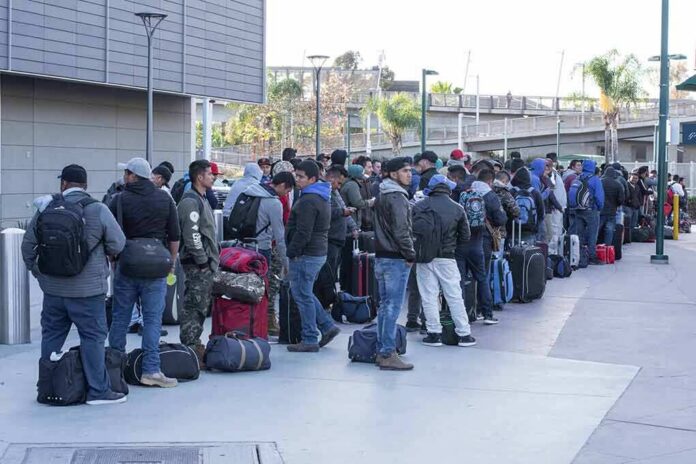
Dozens of Honduran migrants gathered at the main bus terminal in San Pedro Sula and began walking on November 3, 2026. Reporters on the ground described children with parents, teens, and adults setting off in groups. That same day, Americans cast ballots in the midterms that would decide control of Congress. Coverage linked the two timelines and noted the travelers aimed to reach the United States in the weeks ahead.
Several outlets highlighted that the caravan left as U.S. races were being decided. Some migrants voiced hope that a political shift might slow or soften border enforcement. Wire reporting framed those hopes in plain terms: a belief that White House policies could face headwinds after the vote. Others in the group said they moved for work, safety, or to reunite with family. The two ideas sat side by side on the road north.
Route, Destination, And What “Caravan” Means Here
Journalists traced the first leg toward Puerto Cortés and the Corinto crossing on the Guatemala border. The stated destination was the United States. This was not a flash mob. Reporters said it was the third coordinated movement from Honduras in 2026. Participants used social media and WhatsApp to set the meeting point, the date, and to trade tips on risks and costs. That pattern matches earlier caravan behavior in the region.
Headcounts varied and stayed modest. Most reports said “dozens,” not hundreds. That matters because online clips often show different groups on different days. Mixing images can inflate this event beyond what local reporting supports. Treat this caravan as what it was: a small, organized start that might grow along the route but began as a lean column from a single city bus hub.
Why People Moved And How Politics Factored In
Migrants cited unemployment, insecurity, and lack of opportunity as top reasons to leave. Those drivers have shaped Honduran migration for years. They push people out even when politics elsewhere stays the same. Several travelers also watched U.S. midterm results. Some hoped a setback for President Trump’s agenda might ease pressure at the border. That belief did not replace core motives, but it did shape timing and confidence for some walkers.
🚨 BREAKING: HONDURAN MIGRANT CARAVAN ALREADY ON THE MOVE 🚨
Just like that — on Tuesday, November 3 (US midterm Election Day) — dozens of Hondurans gathered at the main bus terminal in San Pedro Sula and began heading north. Families, young men with backpacks, kids, even some… pic.twitter.com/AvZa14jARc— CONSTITUTION X 🇺🇸 (@ConstitustionX) November 4, 2026
A basic rule still applies: strong borders, clear law, and fast, fair decisions reduce chaos. When people think policy may change, they test the line. That is human nature and a lesson in deterrence. Consistent enforcement signals matter. Faith in open communication with allies matters too. Honduras and Guatemala face real economic and security strains. The United States should press for order at the border while pushing partners to curb crime and expand jobs. Both tracks serve stability and common sense.
Organization Without A Face And The Limits Of Headcounts
Coverage described planning through digital groups but did not name a single organizer. The call spread on social media. That is common in recent caravans, which often rely on loose networks more than formal leaders. Lack of clear leadership can shield backers, but it also limits logistics and keeps numbers scattered. It also means claims about who funded or steered the movement stay unproven and, for now, outside the facts of this event.
What To Watch Next As The Group Moves North
Two things will decide whether this caravan swells or fades. First, border responses in Guatemala and Mexico will either disperse or funnel new members into the column. Second, news coverage and messaging apps can amplify the signal or let it die out. Every checkpoint, shelter, and video from the road becomes an on-ramp for joiners. Clear U.S. policy and close work with regional partners can cut that signal without drama or mixed messages.
Sources:
pjmedia.com, news.nate.com, cnnespanol.cnn.com, ticotimes.net, elheraldo.hn, latintimes.com
© patriotnewsdaily.com 2026. All rights reserved.