Washington just erased a 47-year label on Syria—and unlocked a test of American leverage, law, and realism.
Story Snapshot
- President Trump notified Congress on July 8, 2026, to start the removal process.
- The State Department rescinded Syria’s terror designation on August 24, 2026.
- Removal follows a 45-day congressional review with no block reported.
- Sanctions tied to the terror list ended, but other U.S. tools still exist.
What Actually Changed On August 24
The Department of State removed Syria from the State Sponsors of Terrorism list on August 24, 2026, after the White House’s formal notice to Congress and the required review period. Treasury guidance spelled out the shift and its immediate impact on rules tied to the terrorism list. This decision ends prohibitions that flow only from that label. It does not erase every U.S. restriction on Syria, and it does not rewrite history in the Levant overnight.
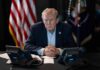
President Trump kicked off the process on July 8, 2026, when he informed Congress of his intent to rescind the designation, starting the 45-day clock. The State Department recorded that step in a press statement from Secretary of State Marco Rubio. After the review window closed without a block, the rescission became official with State and Treasury actions on August 24. That sequence matches the letter of U.S. law for delisting a country from the terror list.
Why The Legal Bar Is Narrower Than The Debate
U.S. law offers two lanes to remove a country from this list. A president can certify no support for international terrorism for six months and future assurances, or certify a fundamental change in the government and its conduct. Analysts often debate every past sin, but the statute is about present behavior and credible commitments. That gap explains why rare delistings can move ahead even when history remains messy and long.
Delisting is rare and political. Past removals often came with a bigger reset, not just a narrow legal review. The Syria move fits that mold. The decision unlocks trade that was blocked by the terror label and signals a new channel with Damascus. It also trims a pressure point that critics long used to isolate the Syrian state. That trade-off will define the next phase: engagement for results, or drift that rewards bad actors without reforms.
The Record Critics Point To—And What It Means Now
Policy institutes stress Syria’s long ties to groups like Hezbollah and Hamas, and its links to Iran’s security apparatus. They cite decades of State Department reporting that listed safe haven, logistics, and free operation in Damascus for U.S.-listed groups. These facts built the original case for designation and the moral weight behind it. Their argument now is leverage: removal risks reduced pressure without ironclad conditions or verifiable shifts on the ground.
UAE Welcomes US Removal of Syria from the State Sponsors of Terrorism List
The United Arab Emirates has welcomed the decision by the United States to remove the Syrian Arab Republic from the list of State Sponsors of Terrorism, regarding it as a positive step in support of…
— Afra Al Hameli (@AfraMalHameli) August 25, 2026
Common sense says pressure should serve a goal, not exist for its own sake. If delisting can trigger measurable actions that advance American security—like tighter borders to block Iranian arms, cooperation against foreign fighters, or real curbs on terror finance—then trade the label for outcomes. If outcomes stall, re-apply pressure fast. That balance tracks conservative values: strength with purpose, accountability with proof, and deals that serve Americans first, not vague hopes.
What Businesses And Allies Will Watch Next
Companies will test bank risk and insurance first, then energy, construction, and telecom. The terror-list removal shrinks compliance red flags, but other U.S. and allied rules still matter. Gulf states will probe openings and seek U.S. cover. Israel will judge whether the move helps curb Iranian reach into Syria or makes it worse. Congress will watch for backsliding and can move to reapply targeted sanctions if Damascus breaks commitments or shelters groups that strike Americans or allies.
How To Judge Success Six Months From Now
Three yardsticks will tell the story. First, terror finance and travel through Syrian routes must drop in verified ways. Second, Iran’s proxy flows across Syrian soil must face new friction that outsiders can see. Third, Damascus must honor any security understandings tied to the delisting and engage in practical steps that lower regional risk. The administration owns the bet. It should publish milestones, name who must do what, and set snapback triggers if goals are missed.
Bottom Line
Removing Syria from the terror list ends a label. It begins a test. The White House followed the law, completed the review, and made the call. Now the burden shifts to results that protect Americans and our allies. Keep the door open for progress. Keep the hammer within reach. That is how grown-up statecraft turns a controversial move into a safer map—and how Washington proves that leverage is not a slogan, but a scoreboard.
Sources:
youtube.com, lemonde.fr, state.gov, fdd.org, english.ahram.org.eg, abcnews.com, ofac.treasury.gov
© patriotnewsdaily.com 2026. All rights reserved.