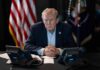
Bodycam video of the 49ers owner’s arrest now collides with the NFL’s most elastic rule: protect the shield.
Story Snapshot
- The 49ers owner pleaded no contest to two misdemeanors in Ohio after an arrest.
- The National Football League says it is reviewing the matter under its conduct policy.
- Commissioner Roger Goodell confirmed the active review and possible discipline.
- League policy covers disorderly conduct and applies to owners with higher stakes.
What Happened And Where The Case Stands
Police in East Palestine, Ohio arrested 49ers owner Jed York after a sting that led to two misdemeanor counts. Court reporting says he later pleaded no contest to disorderly conduct and possessing criminal tools. The court fined him and credited time served. The team said the legal matter is resolved and offered no further comment. The National Football League said the case is under review for possible discipline under its personal conduct policy.
Bodycam Footage Released of SF 49ers Owner Jed York’s Arrest in East Palestine During $160 Trailer-Park Prostitution Sting | Jim Hoft, The Gateway Pundit
The East Palestine Police Department has released the bodycam footage of San Francisco 49ers owner and CEO Jed York’s… https://t.co/0YCDQpNQFw
— Owen Gregorian (@OwenGregorian) August 27, 2026
NBC’s football reporting added specifics from documents that tie the arrest to an undercover ad and cash on hand. The summary said York responded to an ad placed by a local human trafficking task force, drove to a meeting spot, and officers found $160 during the arrest. The initial allegation was amended down before the plea. That process narrowed the legal exposure but did not erase the optics or the paper trail that the league now weighs.
Why The NFL’s Policy Puts Owners On The Hook
The personal conduct policy exists to protect the league’s integrity and public confidence. The policy covers non-players and specifically includes owners. It lists disorderly conduct among prohibited behavior. Reporting on the policy also notes that ownership has been held to a higher standard, with more significant discipline historically in play when violations occur. That standard gives the league wide room to act even when the court outcome is a misdemeanor plea, not a felony conviction.
Commissioner Roger Goodell addressed the case directly when asked. He said the league is reviewing it under the personal conduct policy and will speak when there is something to report. That phrasing signals a formal process. It also signals that timing remains at the league’s discretion. The message is clear: a legal resolution does not end the league’s authority to impose fines or suspensions on an owner if it deems the conduct harmful to the brand.
The Discipline Playbook And The Precedent Everyone Remembers
The league typically waits for a clean legal endpoint, then decides discipline. The Jim Irsay case stands as a benchmark that still shapes expectations. After a misdemeanor impaired-driving plea, Goodell suspended the Indianapolis Colts owner for six games and fined him $500,000. That decision flowed from the same conduct policy and framed the idea that owners face real penalties when their actions risk the league’s reputation.
York’s situation differs on facts but not on principle. Disorderly conduct appears on the policy’s list, and the plea is now part of the record. If the league believes the conduct undermines public trust, it can levy a fine, a suspension, or both. If it sees the amended plea as mitigating, it can opt for a lighter response. Either way, the league’s north star is brand integrity, not the narrow letter of criminal charges. That has long matched how most fans expect accountability to work.
How Conservative Common Sense Weighs The Claims
Fans who value order and equal rules see a simple standard: choices carry consequences. The court outcome set the legal part. The workplace part is now the league’s job. Owners cannot hide behind titles when conduct embarrasses the shield. The personal conduct policy is broad by design, but that is not a bug; it is a governance tool that says character matters in public roles. Apply the rule, explain it plainly, and move on to football.
Caution still has a place. The plea was to misdemeanors, and no league finding has been issued yet. That matters because the National Football League should match the penalty to facts it can defend. The solution is transparency at the end. Announce the decision, cite the conduct policy sections, and state the evidence relied upon. That protects due process and sets a clean precedent the league can use the next time a storm rolls in.
Sources:
washingtontimes.com, abc7news.com, sports.yahoo.com, nbcsports.com, foxnews.com, sfstandard.com
© patriotnewsdaily.com 2026. All rights reserved.