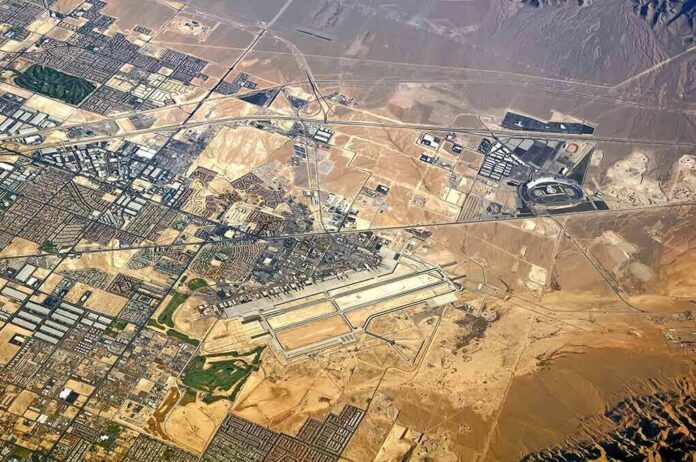
A ballistic missile threat hit Riyadh’s main airport during peak travel, injuring civilians and halting flights as chaos spread through the terminal.
Story Highlights
- Houthi forces said they targeted King Khalid International Airport with a ballistic missile.
- Witnesses reported evacuation, smoke from an aircraft, and disrupted flights in Riyadh.
- Saudi authorities said three Saudis were killed in airport attacks this week and others were wounded.
- Coalition officials said two missiles aimed at Riyadh were intercepted and destroyed.
What Happened At Riyadh’s King Khalid International Airport
Reporters and travelers in Riyadh described a blast, a rapid evacuation, and smoke rising from a plane at King Khalid International Airport on October 8. Flights were disrupted as terminals cleared and airlines adjusted schedules. The disruption followed days of strikes and warnings across Saudi airspace. The scene showed a civilian hub under direct pressure from missile warfare. Independent outlets documented the evacuation and visible damage while officials worked to secure the site.
Yemen’s Houthi spokesman, Brigadier General Yahya Saree, said the group targeted the airport with a ballistic missile around midday and claimed it hit the intended target. The statement came as images and accounts from the airport showed confusion and smoke. The group has threatened airports in Riyadh and Najran during the same period, telling airlines to avoid Saudi airspace. The claim did not include technical proof like missile debris or telemetry for public review.
Saudi Accounts Of Casualties, Intercepts, And Damage
Saudi civil aviation officials reported that three Saudi citizens, including an airline pilot, were killed in airport attacks this week, with injuries to people of several nationalities. Officials described two linked events: damage to airport facilities and a strike on a Saudia aircraft. The Saudi-led coalition said it intercepted and destroyed two ballistic missiles headed toward Riyadh. Civil Defense reported debris damaged a kindergarten and a medical clinic complex in the capital.
This pattern matches recent missile battles in the region. Attackers claim a successful strike. Defenders report intercepts and collateral damage from falling debris. That can leave open questions about which piece caused the most harm. But the civilian toll is real. Airlines canceled or diverted flights. Families feared for loved ones. Medical teams treated the wounded. The coalition pledged more strikes on military targets in Yemen after the airport attacks, signaling an ongoing cycle.
Why This Matters To American Readers And Travelers
Airports are civilian lifelines. Targeting them puts families, business travelers, and airline crews at risk. Europe’s aviation authority already widened its warning on Saudi airspace after these incidents. Global carriers weigh risk, insurance, and crew safety when routes run near active missile threats. American travelers and companies feel the shock when flights are delayed, cargo is held, or crews cannot operate. These realities show why strong air defense and clear deterrence matter.
*Breaking: Reports of casualties after Houthi missile strike on Riyadh airport:*
Reports from Saudi Arabia say missiles fired by the Houthis struck King Khalid International Airport in Riyadh.
Footage from the airport shows evacuations and a large emergency response, with… pic.twitter.com/yWuaSyrEqi
— (((IsraelMatzav))) (@IsraelMatzav) October 10, 2026
For conservatives who value peace through strength, the lesson is simple. Missile terror against civilian hubs must never be excused. Groups tied to Iran keep probing for soft spots. They seek headlines and leverage by hitting where families gather. The United States should back partners who protect civilian life, defend airspace, and punish those who strike airports and airlines. That stance protects travelers, trade, and the principle that civilians are not targets, period.
What We Know, What We Do Not
We know the Houthis claimed the Riyadh airport attack the day it happened. We know witnesses saw evacuations and smoke from an aircraft. We know Saudi officials reported deaths, injuries, and damage tied to the airport attacks this week. We also know the coalition said it intercepted missiles. What remains unclear is whether the terminal damage came from a direct hit, debris after interception, or another munition. Public technical proof remains limited at this time.
Bottom Line
Missiles and shrapnel do not belong near passenger gates. Civilian airports should be off-limits. The Riyadh attacks show how fast terror can upend travel, wound innocents, and rattle global routes. President Trump’s team faces a world where rogue actors test defenses and target the softest spots. The right response pairs facts, firm support for allies, and pressure that makes any strike on civilians backfire on the attackers—every time.
Sources:
military.com, reuters.com, apnews.com, rmb.reuters.com, nytimes.com
© patriotnewsdaily.com 2026. All rights reserved.