Twelve sailors were hurt when a Panama-flagged tanker was hit by a projectile in the Strait of Hormuz, and India wants the attacks to stop now.
Story Snapshot
- India says a projectile struck MT On Peace off Oman on October 6, 2026.
- Twelve crew were injured; eleven are Indian nationals, per India’s statement.
- Omani authorities evacuated the wounded to Khasab for treatment.
- India condemned attacks on civilian shipping and demanded safe passage.
What Happened In The Strait Of Hormuz
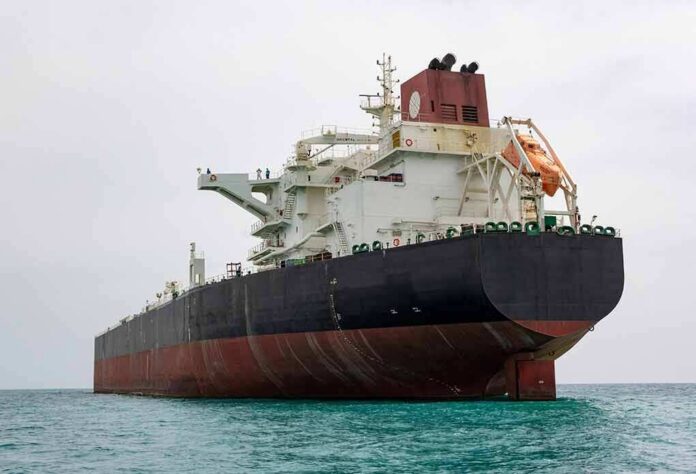
India’s foreign ministry said the Panama-flagged MT On Peace was hit by a projectile while transiting the Strait of Hormuz off Oman on Tuesday, October 6, 2026. The ministry reported twelve injured crew, including eleven Indian nationals. Reports said the ship carried nineteen crew, with seventeen Indians aboard. Omani authorities assisted with rescue and medical evacuation, moving the injured to Khasab for treatment. The ministry called the strike an attack on commercial shipping and condemned it in clear terms.
Officials have not publicly identified the weapon or the attacker. The available reporting quotes India’s ministry and regional outlets and does not provide a damage survey. The ministry’s core facts are consistent across multiple reports the same day. The picture is straightforward on the essentials: time, place, casualty count, evacuation to Oman, and India’s stance that civilian shipping and crews must be protected.
India’s Response And The Stakes For Seafarers
India framed the strike as an assault on civilians at sea and urged protection of navigation in international waterways. That matters to millions who rely on shipping for fuel and goods. It also matters to the crews who run these routes every day. The count of injured includes eleven Indians, which aligns with the ship’s heavy Indian crew roster reported as seventeen out of nineteen total. India’s quick statement signals diplomatic pressure to shield seafarers and keep trade moving through this narrow chokepoint.
Omani responders moved fast and got the injured ashore to Khasab for care. Rapid evacuation saves lives and limits long-term harm after blasts, shrapnel, or shock. The reports do not detail injury types, but evacuation and treatment show a working safety net in a tense waterway. When states coordinate, mariners benefit. When they do not, crews pay the price first and hardest. The practical test is whether ships can keep schedules without turning into targets.
A Pattern Of Disruption Over Destruction
Attacks in and around Hormuz often aim to unsettle trade more than to sink ships. Lloyd’s List analysis says recent Middle East strikes do not follow a clear pattern by flag, owner, or vessel type. The goal looks like disruption, not discrimination. Another review of Iran-linked activity described a rhythm of varied hits across bulkers, tankers, and gas carriers to keep risk high and routings uncertain. This strategy pushes up insurance, reroutes traffic, and signals control without a formal blockade.
The tanker corridor near Oman’s coast has become a pressure point. Coverage in recent months chronicled projectiles reported near Oman and through the Strait, which spooked markets and crews alike. Legal analysis after earlier mine attacks argued such strikes against flagged ships can meet the threshold of an armed attack under international law, putting added weight on flag states to respond. The shared thread is simple: the world’s oil lane remains open, but never calm.
Why This Strike Demands A Firm Answer
Targeting a civilian tanker with nineteen crew, mostly Indian nationals, crosses a bright line that most nations still respect at sea. India’s clear condemnation fits common sense and conservative principles: protect civilians, punish those who strike them, and keep lawful commerce free. That is how you deter the next shot. The Hormuz playbook prizes ambiguity. The answer should not. Safe passage and accountability are not luxuries; they are the cost of a stable energy market.
Breaking: ‘Projectile’ attack on Panamanian-flagged tanker MT On Peace near Gulf of Oman. 11 Indian sailors injured. 17 out of 19 crew members Indian. All rescued by Oman administration, treatment ongoing.@StratNewsGlobal pic.twitter.com/89leV2T3eL
— Huma (@Huma_Siddiqui) October 6, 2026
Crews cannot be human shields in signaling wars. Omani medics did their part at Khasab. The next moves fall to governments and industry: share facts fast, harden ships, and keep escorts close when threats rise. The Strait of Hormuz will test willpower again. The measure of success is boring: uneventful transits, healthy crews, and ships that reach port on time. That is the quiet win worth fighting for.
Sources:
insiderpaper.com, indiatvnews.com, economictimes.indiatimes.com, news.abplive.com, tribuneindia.com, ua.news, nationalheraldindia.com
© patriotnewsdaily.com 2026. All rights reserved.