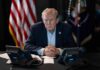
Ron DeSantis said Florida’s license plate surveillance is “out of control,” and now the fight is what to do about it.
Story Snapshot
- DeSantis urged lawmakers to add strict limits on license plate reader use.
- Florida already allows wide deployment under current state law.
- Local and national backlash has pushed cities to drop Flock cameras.
- Policy choices now center on data collection, retention, and sharing.
DeSantis Calls For Guardrails, Not A Ban
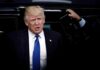
Governor Ron DeSantis told reporters the spread of Flock Safety license plate cameras has gone beyond the original goal. He said the systems need clear limits from the Legislature and that the public is right to worry about abuse. He cast the issue as pro-police and pro-privacy at once. Protect officers’ tools, he argued, but define when, why, and how they get used. That message lands with voters who want safety without a tracking dossier on every errand.
Florida Gov. Ron DeSantis urging legislative action to restrict Flock Safety automated license plate reader cameras, warning of rapid expansion turning the state into a surveillance state and eroding civil liberties. https://t.co/AttloLcLzb
— 𝘝𝘦𝘯𝘤𝘪 𝘕𝘢𝘤𝘢𝘳𝘪𝘰 🌕 (@vencinacario) August 28, 2026
Florida statutes already give room for large deployments. State law lets the Department of Transportation place license plate systems at the request of police to collect active criminal intelligence or investigative information. It also shields some of that data from disclosure. That is why critics say the state does not lack authority; it lacks tight limits on scope, access, and time. DeSantis aims to narrow that space without kneecapping real cases.
Florida Is Already A Test Bed
Florida communities moved fast to install these cameras, and many linked into wider networks. Pushback is now spreading. Dozens of municipalities around the country have canceled, deactivated, or rejected Flock contracts. Advocates count even more stepping back in recent weeks. This is not just partisan heat. It reflects basic questions most people ask: Who sees my driving history? How long is it kept? Can it be used for things beyond catching a stolen car?
Evidence from national research shows why the argument keeps circling the same three issues. Policymakers must pick rules for data collection, who can access it, and how long it can be stored and shared. States split between narrow “public safety only” models and broader regimes with privacy policies, retention caps, required audits, and use limits. The outcome decides whether these cameras feel like a seatbelt or a tracking anklet to the average driver.
Public Safety Gains Versus Privacy Costs
Law enforcement leaders argue that license plate readers help find stolen cars, wanted suspects, and missing kids. Some studies suggest gains in specific operations and hot spots, but the broader crime-drop picture is mixed, and results vary by use and policy. That mixed record gives reformers room to say, prove the benefit and right-size the risk. Conservative common sense says tools need measurable results, strong oversight, and consequences for misuse.
Florida Gov. Ron DeSantis joins growing list of Republicans sounding the alarm on ‘out of control’ Flock cameras: ‘I don’t want this to become a surveillance state’ https://t.co/ZdJ7mMWutd
— Knewz (@knowknewz) August 27, 2026
Civil libertarians warn that mass capture of plate scans can map private life. Trips to church, a clinic, or a political meeting all show up in movement history when data piles up. Courts are starting to wrestle with when location trails trigger constitutional protection. A federal judge in Virginia said Flock cameras in Norfolk did not, on their face, invade privacy under current facts, but legal lines can shift as scale and linkage grow. That is the window for smart limits now, not later.
What Sensible Guardrails Look Like
Lawmakers can write simple rules that most Floridians would accept. First, short retention by default, with fast deletion of non-hit data. Second, warrant or documented exigency for bulk history searches. Third, strict access logs, real audits, and criminal penalties for stalking or political misuse. Fourth, clear bans on dragnet monitoring of lawful protests and worship. Fifth, mandatory transparency reports so taxpayers see hits, errors, searches, and outcomes each quarter.
Florida has started to inch toward clearer language on who can install systems and where, including private property use limits in pending analyses. Drafts also touch data handling for digital identification scans and related privacy rules. The direction is right but not yet complete. The goal should be bright lines that defend the innocent driver’s routine from government fishing, while keeping rapid alerts for stolen cars and violent felons. That balance honors both safety and liberty.
The Political Math In Plain View
DeSantis read the room. Voters want police to catch bad guys, not to build a file on every school run. Cities that oversold blanket camera grids are now backpedaling. Reform offers a way to clean up scope creep, punish abuse, and still deliver real-time alerts when it counts. That should not be a left-right fight. It is a basic Florida promise: limited government, targeted tools, and strong accountability, without turning every road into a checkpoint with a memory.
Sources:
reason.com, news4jax.com, npr.org, tampabay.com, wsj.com, yahoo.com, wfla.com, mynews13.com, wlrn.org, abc7ny.com, ij.org
© patriotnewsdaily.com 2026. All rights reserved.