When a 7.5 earthquake hit Venezuela, the ground did not fail first—the state did.
Story Snapshot
- Death toll hits 1,430 with nearly 69,000 missing as families dig with bare hands.
- Citizens accuse the government of projecting strength while delivering scarcity.
- Acting leaders tout 14,000 security forces and international aid flights as proof of control.
- The real split is between official numbers and the lived reality under a broken petrostate.
How a nation can be full of uniforms and still short on rescuers
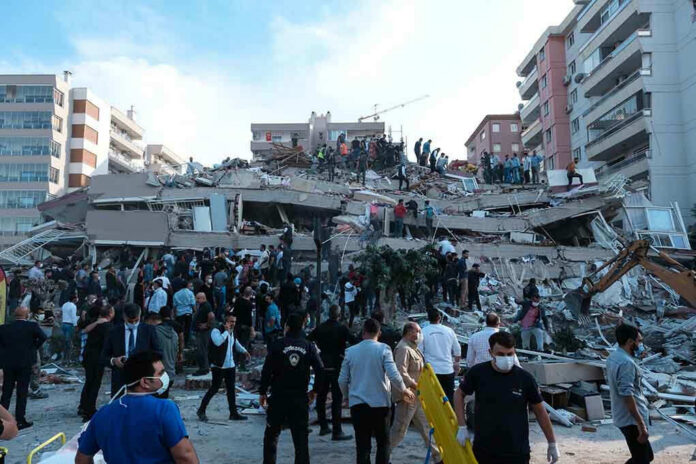
LA Guaíra today shows what happens when tragedy hits a country whose institutions are already cracked. Back-to-back earthquakes of 7.2 and 7.5 collapsed neighborhoods and pushed the official death toll to 1,430 within three days.[5] Families told authorities that at least 68,900 people are missing, a number so huge it stops feeling like data and starts feeling like an accusation.[5] That scale makes one basic question impossible to dodge: where is the help, and why are so many digging alone?
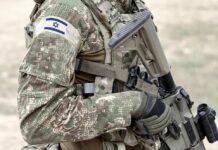
Citizens in the hardest-hit zones describe something every conservative instinct flags as a core failure of government: they see plenty of uniforms, but not enough rescue work. Reports from La Guaíra say soldiers, firefighters, police, and military cadets were “evidently underprepared” for the size of the disaster.[5] That matches videos and testimony of families using shovels and their bare hands to search the rubble, while heavy equipment is missing or arrives far too late.[8] This is not just bad luck; it is what years of mismanagement look like in one awful week.
The numbers the government wants you to see versus the ones it cannot hide
Acting President Delcy Rodríguez went on state television with a very different picture. She said more than 14,000 members of the military and police are now patrolling the area and that access is tightly controlled with special permits.[5] Officials bragged that 17 flights had landed with more than 1,600 foreign rescue team members from the United States, Mexico, Brazil, El Salvador, France, and others.[1] On paper, those numbers scream “robust response.” On the ground, many Venezuelans say the response feels thin, late, and heavily focused on optics.
That split matters. When a government cites raw counts of troops and flights, but people in ruined neighborhoods say they have not seen an ambulance, the issue is not math, it is trust. Venezuela’s leaders claim families themselves reported the 68,900 missing figure.[5] If that is true, then those same families are also the ones saying they have to dig for loved ones alone. The state is eager to own the numbers that show the crisis, but far less eager to own the lack of basic rescue capacity those numbers reveal.
A petrostate’s long decline colliding with a 72-hour rescue clock
The first three days after a major quake are the “golden time” for rescue; after that, survival chances fall fast. In Venezuela, those three days landed on a government already hollowed out by years of economic collapse, underinvestment, and political control.[19] Oil once funded almost two-thirds of the national budget, but mismanagement and sanctions drained the system, leaving hospitals short on supplies and basic services fragile long before the earth shook.[19] You do not build strong emergency response on top of weak hospitals and politicized institutions.
Experts had warned for years that Venezuela was not ready for a major natural disaster, pointing to scant hospital resources and aging infrastructure.[18] When the earthquakes hit, those warnings stopped being theory. The damage even shut down the main Caracas airport’s runway, forcing foreign partners to help with airlift and logistics.[8] For American conservatives, this is a textbook case of why competent, limited government matters: when rulers hollow out systems for power and ideology, the people pay the bill in lives when nature inevitably tests the structure.
International help masks failure at home but cannot fix it
Once the scale of the disaster became clear, the interim authorities requested help from the United States and others, and Washington deployed military assets to support airlift, logistics, and search-and-rescue.[20] Brazil, Spain, Mexico, El Salvador, Chile, and more countries sent hundreds of rescuers.[2] That foreign wave has saved lives. It has also created a convenient story for those in charge: instead of admitting they did not build a serious disaster system, they can point to global solidarity and claim the crisis is under control thanks to “partnerships.”
Outside aid is good and necessary, but it should not distract from the question of responsibility. A government’s first duty is to protect its own citizens. When families are sleeping in cars and under trees, unsure where they will live next,[13] the measure of success is not how many press releases mention foreign flags. It is how fast local rescuers reach trapped people and whether the health system can treat the injured. On that front, citizen testimony, expert analysis, and long-term data tell the same story: this state was not ready, and its people are now paying for that failure.
Sources:
[1] YouTube – Frustration grows in Venezuela as earthquake death toll reaches 1,430
[2] Web – Venezuela earthquake death toll rises to 1,430 as rescue efforts …
[5] Web – Venezuela quake death toll rises to 1,430: Top lawmaker
[8] Web – The death toll in the twin earthquakes which rocked Venezuela …
[13] YouTube – Venezuela earthquakes: Disaster, poverty and political turmoil | …
[18] YouTube – Massive quakes bring new devastation and turmoil to Venezuela
[19] Web – Is the government’s response to Venezuela’s earthquake crisis …
[20] Web – Venezuela: The Rise and Fall of a Petrostate
© patriotnewsdaily.com 2026. All rights reserved.