Donald Trump’s proposal to send $2,000 tariff checks to Americans by mid-2026 is stirring debate and curiosity across the nation.
Story Snapshot
- Trump proposes $2,000 checks funded by tariff revenues.
- Congressional approval is required, but no bill exists yet.
- Experts question the feasibility and economic impact of the plan.
- The proposal remains a campaign promise rather than confirmed policy.
Trump’s Tariff Check Proposal
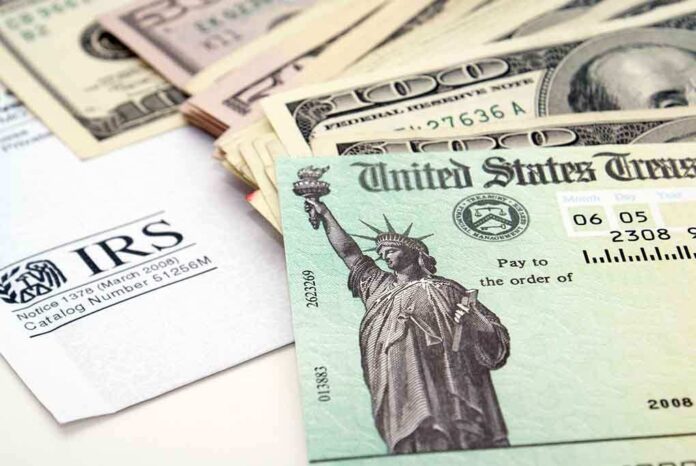
Donald Trump has launched an ambitious proposal to send $2,000 checks to Americans, funded through revenue generated from tariffs. Targeting a distribution date of mid-2026, the initiative promises a direct economic benefit to citizens without drawing from traditional tax revenue. This unique funding mechanism, however, brings its own set of challenges and considerations, particularly as no federal agency or congressional committee has yet confirmed or endorsed the plan.
The timeline for this proposal kicked off in November 2025, with Trump reiterating his plans and allies urging Congress to support the initiative. Despite their efforts, legislative and budgetary discussions remain in preliminary stages, and no formal bill has been introduced. The initiative is framed as a campaign promise, with its feasibility and implementation still in question.
Economic and Political Background
The idea of issuing direct cash payments to citizens is not new. During periods of economic distress, such as the Great Recession and the COVID-19 pandemic, stimulus checks were rolled out, funded by federal tax revenue. Trump’s current plan revives this concept but leverages tariff income instead. The Trump administration’s tariffs, particularly on Chinese imports, previously generated substantial revenue, sparking the idea of a “tariff dividend” to voters.
Trump allies urge Congress to back his $2,000 tariff checks as president claims they’ll be sent in ‘mid 2026’ https://t.co/J9MGWA4n7Y
— chatEMPIRE (@Chatempireng) November 18, 2025
Facing an economy grappling with inflation and political division, the proposal comes at a time when direct financial assistance remains popular among the public. However, experts express concerns about the reliability of tariff revenue as a funding source for such large-scale payments, given its fluctuations in recent years.
Key Stakeholders and Influences
Donald Trump and his allies play a pivotal role as the primary advocates for the $2,000 tariff checks, with the Trump campaign actively lobbying for congressional support. Congress, however, holds the decision-making power, needing to approve any legislation and funding related to the proposal. The U.S. Treasury would administer the payments, should they be authorized, while economic experts continue to analyze the broader impact.
Power dynamics favor Trump and his allies within the Republican Party, yet Congress must balance political pressure against fiscal responsibility. Economic experts and agencies can offer insights but lack decision-making authority, making the trajectory of the initiative uncertain.
Current Developments and Implications
As of November 2025, Trump has reinforced his proposal, with allies urging Congress to act. Nonetheless, no formal bill has been introduced, and the plan remains a campaign promise without agency confirmation. The proposal’s short-term political implications could boost Trump’s popularity by promising direct benefits to voters.
Economically, if implemented, the checks could provide immediate relief but may exacerbate inflation and increase federal debt. Politically, the proposal could influence the 2026 midterm elections, shaping voter behavior and discourse. Socially, while recipients might enjoy increased financial well-being, concerns about dependency on government payments persist.