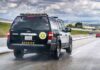
Florida just ordered every automated license-plate reader off state roads within 30 days, citing runaway growth, misuse, and creeping surveillance risk.
Story Snapshot
- Florida transportation officials revoked permits for license-plate readers on state roads.
- The memo cites privacy risks, reported misuse, and fast expansion of the network.
- Local sheriffs say the cameras helped solve crimes and find missing people.
- The decision draws a hard line on data collection in public spaces.
Florida’s Order: What It Says And What It Does
The Florida Department of Transportation revoked permits for all automated license-plate readers on state roads and gave agencies 30 days to pull them. The engineering memo cites privacy, misuse, and a surge in deployments that changed the scale of monitoring on public highways. This is a statewide call, not a suggestion. The order covers Flock Safety devices and similar systems placed within the state highway right of way. Local agencies that want cameras must now find non-state sites.
The memo’s language signals a policy shift. The department did not haggle over settings, retention, or guardrails. It chose removal. That choice reflects a view that scale itself is the problem. A few cameras can spot stolen cars. A dense web can log where millions of drivers go and when. That broad collection can chill everyday life if misused. State leaders judged that risk as too high for gear mounted on state property.
Why Privacy And Misuse Tipped The Scales
License-plate readers capture plates, makes, and models, then store time and location. The data can be linked with other records and mapped into patterns of life. Courts and scholars warn that, with enough coverage, this becomes a search on a person’s movements over time. Reports in Florida have flagged alleged officer misuse and opaque access rules, which stoke distrust when the network expands. The department leaned into that evidence and cut the cord on state roads.
American conservative values draw a bright line here. The state should punish criminals, not log the innocent by default. Policing must stay targeted and accountable. Systems that gather data on everyone risk flipping that order. A statewide removal from public rights of way sets a simple rule: if you build a dragnet, do not anchor it on taxpayer asphalt. That view tracks with limited government and common-sense restraint over mass data collection.
Law Enforcement’s Case: Keep The Tool, Fix The Rules
Sheriffs and chiefs argue the cameras find stolen cars, alert on wanted plates, and help locate missing people. South Florida officials call them top-tier tools used to investigate crimes, not to watch people at random. Tallahassee’s sheriff said the systems help identify vehicles tied to cases and move investigations faster. These leaders say the problem is not the camera but the policies. They want strict controls, audits, and fast hits when a suspect car trips an alert.
Those benefits are real in many cases. The record includes arrests and quick leads on violent crime. News outlets cited a case where readers helped track a murder suspect’s car and alert partner agencies to the route of travel. The public likes solved crimes and safe streets. But good tools need firm fences. The state decided that fences on paper are not enough when the hardware sits on state rights of way and the network effect keeps growing.
The Tradeoff: Precision Wins, Dragnets Lose
Florida’s move does not ban license-plate readers statewide. It limits where public power mounts them. That split leaves room for targeted use on city or county property with stricter oversight, while stopping the build-out of a highway-spanning grid. The goal is not to blind police, but to stop quiet, permanent tracking of daily travel at mass scale. Policy history shows that once these systems mature, data spreads, and mission creep follows unless the map itself is narrowed.
The Florida Department of Transportation has ordered the removal of Flock cameras from state roads, citing privacy and surveillance concerns. https://t.co/B8LGSAE8Eh
— ABC Miami (@ABCMiami18) September 1, 2026
Smart policing is specific, fast, and accountable. The Florida order forces that model. If agencies want this tech, they must show clear need, tight retention, narrow sharing, and real audits—off of state roads. That raises the bar without erasing the tool. It also puts citizens back in the position they should hold: free to drive to church, the doctor, a rally, or a rival ballpark without a government grid logging it by default. That is a standard worth defending.
Sources:
townhall.com, axios.com, wftv.com, tcpalm.com, floridapolitics.com, wuft.org, yahoo.com, tampabay.com, gulfcoastnewsnow.com
© patriotnewsdaily.com 2026. All rights reserved.