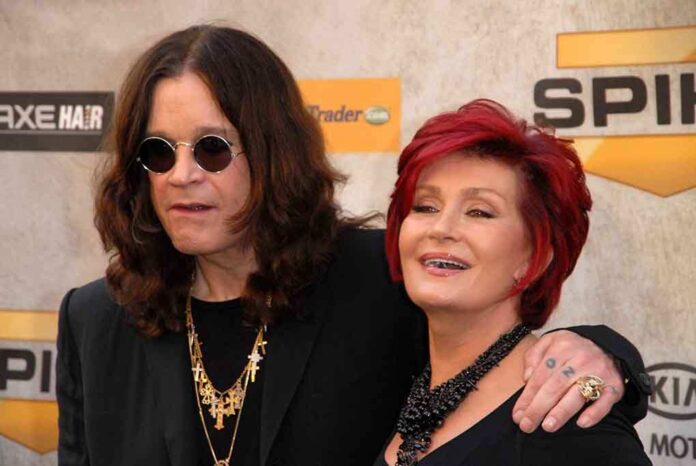
Ozzy Osbourne, the legendary frontman of Black Sabbath, has passed away at the age of 76, leaving an irreplaceable void in the heavy metal world.
At a Glance
- Ozzy Osbourne, the godfather of heavy metal, died at 76.
- Osbourne’s death comes just before a planned Black Sabbath reunion tour.
- Osbourne’s family requests privacy during this difficult time.
- His death marks the end of an era for heavy metal music.
The End of an Era for Heavy Metal
Ozzy Osbourne, the iconic lead singer of Black Sabbath, has died at the age of 76. Known for his groundbreaking contributions to the heavy metal genre, Osbourne’s passing has sent shockwaves through the music community and his legion of fans worldwide. In the days leading up to his death, Black Sabbath was gearing up for a major reunion tour, a testament to Osbourne’s enduring influence and relevance in the industry.
Osbourne, who rose to fame as a co-founder of Black Sabbath in 1968, was instrumental in shaping the sound and ethos of heavy metal with his distinctive vocals and dark, haunting lyrics. His career, however, was not without personal struggles, including well-documented battles with addiction that ultimately led to his departure from the band in 1979. Despite these challenges, Osbourne reinvented himself with a successful solo career and became a cultural icon through his family’s reality TV show, “The Osbournes.”
A Family’s Grief and Legacy Management
The news of Osbourne’s death was confirmed by his family, who issued a heartfelt statement asking for privacy during this difficult time. The statement, signed by his wife Sharon and children Jack, Kelly, Aimee, and Louis, expressed their profound grief and need for solitude as they navigate this immense loss.
Sharon Osbourne, who has been pivotal in managing Ozzy’s career and public image, now faces the challenging task of preserving his legacy. The family, alongside surviving Black Sabbath members and industry stakeholders, will play key roles in determining how Osbourne’s contributions to music will be honored posthumously. The planned reunion tour’s future remains uncertain, leaving fans to wonder how the band will proceed without its charismatic frontman.
Impact on the Music Industry and Fans
Osbourne’s death is a significant blow to the music industry, particularly within the heavy metal and rock communities. Fans worldwide are mourning the loss of a true pioneer whose influence has been felt across generations. The impact of his passing is likely to result in a surge of interest in his music, with an increase in sales and streaming of his and Black Sabbath’s legendary tracks.
In the long term, Osbourne’s death solidifies his status as a foundational figure in heavy metal. His unique style and persona have left an indelible mark on the genre, inspiring countless musicians and artists. The cultural and economic implications of his passing will reverberate throughout the industry, prompting reflection on the genre’s history and future.
Remembering a Legend
As tributes pour in from fans, fellow musicians, and industry figures, there is a renewed conversation about Osbourne’s profound impact on music and culture. His struggles with addiction and the public nature of his rehabilitation have also sparked discussions on celebrity, addiction, and mental health, topics that remain as relevant today as ever.
While Osbourne’s antics and controversies have often overshadowed his musical achievements, there is no denying his pivotal role in shaping heavy metal. As the music world comes to terms with this loss, Osbourne’s legacy will continue to be a source of inspiration and influence for future generations of artists.