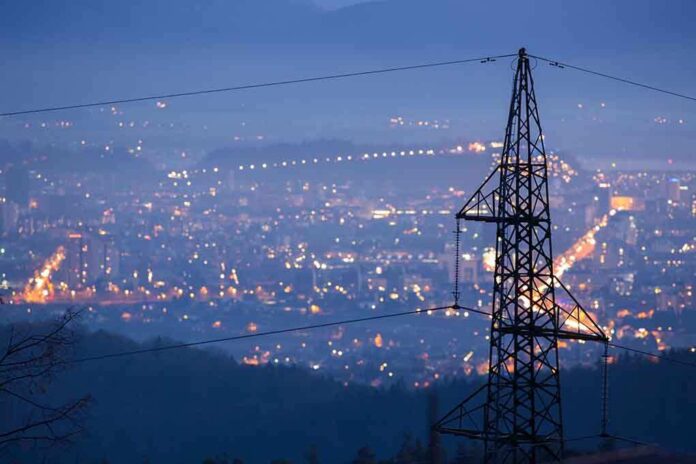
The audacious attack on Berlin’s power grid by left-wing extremists exposes the chilling vulnerabilities of our modern infrastructure.
Story Overview
- Left-wing group Volcano Group claims responsibility for Berlin power outage.
- Massive power outage affected 50,000 households and 2,200 businesses.
- Attack escalates concerns over infrastructure vulnerabilities and extremism.
- Berlin authorities struggle with prolonged restoration amid freezing weather.
Left-Wing Extremists Target Berlin’s Power Grid
On January 3, 2026, Berlin was thrust into chaos as a fire set by the far-left Volcano Group damaged a critical cable bridge near the Lichterfelde gas-fired power plant. This sabotage led to a significant power outage affecting approximately 50,000 households and 2,200 businesses across four districts. The group, known for its extremist ideologies against fossil fuels, claimed responsibility through a letter authenticated by authorities. This attack highlights the persistent threat of domestic extremism targeting vital energy infrastructures.
The timing of this attack could not have been worse. Occurring amidst freezing weather conditions, the outage left many residents without heating or internet access. Despite the Volcano Group’s apology to lower-income residents, the impact on vulnerable communities and critical facilities, such as hospitals, was severe. Mayor Kai Wegner condemned the attack, emphasizing the life-threatening implications. The group’s actions have reignited debates on the security of power grids and the rising tide of left-wing extremism.
The Volcano Group’s Ideological Crusade
Originating in 2011, the Volcano Group has a notorious history of targeting energy infrastructure and manufacturing sectors. Their actions are driven by an anti-fossil fuel and anti-capitalist ideology. They have previously attacked the Tesla Gigafactory, criticizing it as a symbol of excessive resource consumption. Berlin’s Office for the Protection of the Constitution classifies the group as anarchist, highlighting their pattern of arson and sabotage.
The group’s attack on the Lichterfelde power plant is part of a broader campaign against what they perceive as environmentally harmful industries. While they frame their actions as a stand against the fossil economy, the reality is a stark endangerment of civilian lives. This incident underscores the complexity of balancing ideological motives with public safety and infrastructure security.
Impacts and Reactions
The immediate result of the attack was a significant disruption to daily life in Berlin. The outage, which is expected to last until January 8, affects over 100,000 people, including businesses and social institutions. The economic impact is notable, with 2,200 businesses offline, leading to potential financial losses. Socially, the outage puts vulnerable groups at risk, especially in the cold weather, raising concerns about public trust in infrastructure.
Left-wing terrorists sabotage German power plant, causing massive power outage – LifeSite https://t.co/GpQOjYvHDK
— charly-news (@ultramontanoli1) January 5, 2026
Politically, the attack has intensified debates on extremism and infrastructure security. Berlin officials, including Interior Minister Iris Spranger, have condemned the attack as inhumane. The ongoing investigation seeks to address the vulnerabilities exposed by this and previous incidents attributed to the Volcano Group. The broader implications include heightened security measures and potential policy shifts to address extremism threats.
Analyzing the Broader Threat
Germany’s energy infrastructure has been under increased alert due to both domestic and foreign threats. The Volcano Group’s actions are a reminder of the persistent risk posed by extremist groups. Previous incidents, such as the arson attacks on Tesla facilities and other infrastructure, demonstrate a pattern that authorities have struggled to mitigate. The group’s ability to disrupt critical services raises questions about preparedness and response capabilities.
This incident highlights the need for a multi-faceted approach to counter extremism, involving enhanced security measures, public awareness, and policy reforms. The challenge lies in addressing the ideological roots of such groups while ensuring that infrastructure is robust enough to withstand future threats. As the situation in Berlin unfolds, it serves as a stark warning to other cities about the vulnerabilities inherent in modern energy systems.