The average American family now spends more than $17,000 annually on healthcare—a figure that grows more alarming each year as premiums, deductibles, and prescription drug costs accelerate beyond the pace of wage growth, creating a financial crisis that forces millions to choose between medicine and rent.
Quick Take
- Enhanced ACA subsidies expire at the end of 2025, triggering an estimated 18% premium increase for 2026 marketplace plans and pushing approximately 7 million healthier members to abandon insurance coverage
- Healthcare spending jumped 7.5% in 2023 to $4.9 trillion—the highest growth rate since 2003—with medical cost trends projected at 8.5% for employer plans and 7.5% for individual market plans in 2026
- Fifty-seven million Americans have already cut household spending to afford healthcare or medicine, while 48 million cannot afford their prescriptions and nearly one in five forgo needed drugs due to cost
- Administrative waste consumes nearly one-third of all healthcare dollars in America—double the administrative burden in Canada—creating a system where overhead bloat outpaces actual medical care delivery
The Subsidy Cliff Nobody Can Ignore
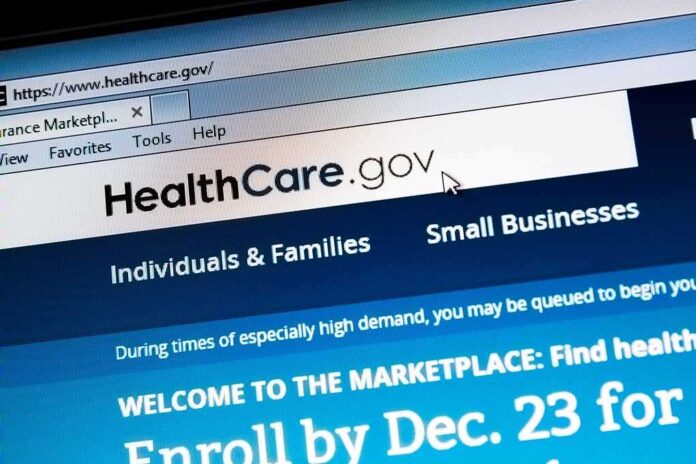
Congress expanded ACA premium tax credits through the American Rescue Plan Act of 2021, temporarily making insurance affordable for millions of working Americans. That lifeline expires December 31, 2025. Unless lawmakers act, roughly 57 million people in the individual insurance market face sticker shock when 2026 premiums arrive. For those losing enhanced subsidies entirely, costs will skyrocket by amounts that force impossible decisions: skip medications, delay doctor visits, or drop coverage altogether.
The math is brutal. ACA marketplace premiums will rise 18% in 2026, with even larger increases for subsidy-eligible individuals. Big employers already charging about $25,000 annually for family coverage expect their premiums to jump 9% in 2026. For middle-class families already stretched thin, these increases represent the difference between financial stability and crisis.
Why Healthcare Costs Keep Exploding
The United States spends approximately 50% more on healthcare than Canada, Australia, or European nations—a premium paid for a system that delivers inferior outcomes on most metrics. Hospital stay costs have increased 600% since 1990. By 2040, the average hospital stay will cost $135,000, roughly three times the price of a new car. These astronomical figures result from structural failures, not market efficiency.
Administrative overhead consumes nearly one-third of all healthcare dollars. Private insurers maintain overhead costs averaging 10.3% of premiums, compared to just 2% for traditional Medicare. This bloated bureaucracy exists to deny claims, manage networks, and maximize shareholder returns—functions that add zero medical value. Americans pay $360 billion annually for prescription drugs while pharmaceutical companies exploit the absence of meaningful price negotiation. Hospitals face labor shortages driving wage inflation. Medicaid reimbursement rates lag 18 to 24 months behind actual cost increases, strangling provider finances.
The Human Cost of Profit-Driven Healthcare
Sixty-two percent of Americans worry at least somewhat about affording healthcare services. Sixty-one percent fear unexpected medical bills—concerns that exceed worries about housing, transportation, utilities, and food combined. These statistics reflect real people making impossible choices. Forty-eight million Americans cannot afford their prescriptions. Nearly one in five forgo needed drugs due to cost. Fifty-seven million have already cut household spending to pay for healthcare or medicine.
The burden falls heaviest on those least able to absorb it. Ninety percent of the nation’s $4.9 trillion in annual healthcare expenditures go toward people with chronic and mental health conditions. Low-income families lose insurance when subsidies expire. Rural communities face hospital closures as provider finances deteriorate. Elderly and disabled populations watch their Medicare and Medicaid benefits erode as federal spending pressures mount.
Policy Decisions That Will Define the Next Decade
The healthcare crisis is not inevitable. It reflects policy choices. The expiration of ACA subsidies represents a critical decision point where Congress can either extend assistance or allow millions to lose coverage. Proposed federal legislation could reduce Medicaid and ACA spending substantially, with the Congressional Budget Office projecting millions more uninsured Americans by 2034 if current proposals pass.
Meanwhile, payers and providers are bracing for federal spending cuts by consolidating, raising prices, and optimizing product offerings. The “One Big, Beautiful Bill” includes $50 billion over five years in rural hospital aid, but this modest investment pales against the projected damage from broader spending reductions. Health plans intensify total cost of care management initiatives, but these operational efficiencies cannot offset structural cost inflation driven by administrative waste and pharmaceutical pricing power.
The Bottom Line
The American healthcare cost crisis represents a fundamental failure of profit-driven medicine. While industry financial projections show payer margins recovering 150 to 200 basis points starting in 2025 and reaching 3 to 3.5% by 2028, this recovery masks continued consumer hardship. Healthcare EBITDA will grow at 7% compound annual growth through 2028, but this growth trajectory reflects continued cost escalation for families and employers, not system improvement.
Americans face a choice: continue down a path where healthcare consumes an ever-increasing share of household budgets, administrative waste continues unchecked, and millions lose coverage when temporary subsidies expire, or demand structural reform that addresses administrative bloat, pharmaceutical pricing, and the fundamental tension between profit-driven medicine and universal access. The decisions made in the next few months will determine which path America takes.
Sources:
McKinsey & Company – What to Expect in U.S. Healthcare in 2025 and Beyond
Health Cost Crisis – Americans’ Healthcare Cost Challenges
STAT News – The U.S. Healthcare System’s Profit-Driven Model Has Failed
PwC – Behind the Numbers: Healthcare Cost Trends
American Medical Association – Trends in Healthcare Spending
Kaiser Family Foundation – Americans’ Challenges with Healthcare Costs
Johns Hopkins Public Health – What’s Behind Rising Health Insurance Costs
Health Affairs – National Health Expenditure Projections
CDC – Chronic Disease Facts and Statistics