A security barrier breach during a royal state visit exposes the razor-thin margin between diplomacy and disaster when multiple threats converge on America’s most protected address.
Story Snapshot
- US Secret Service arrested a suspect who bypassed a security barrier near the Ellipse during King Charles III’s state visit to Washington, D.C.
- The Tuesday incident occurred days after shots fired at the White House Correspondents’ Dinner and an assassination attempt charge against President Trump.
- Enhanced “ring of steel” security deployed drones, special forces, and undercover agents coordinating between US and UK protection teams.
- Experts warned of “messy” risks from unfamiliar armed security teams working together during high-stakes international visits.
- No suspect identity or charges were released, even as the royal visit continued amid escalating security concerns.
When Security Perimeters Become Stress Tests
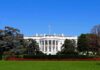
US Secret Service officers detained an individual near 17th Street by President’s Park Tuesday after the suspect bypassed a security barrier close to the Ellipse, just south of the White House. The breach happened during King Charles III and Queen Camilla’s first state visit to America as reigning monarchs, when security protocols already operated at maximum tension. The timing couldn’t have been worse, coming on the heels of a weekend shooting scare at the White House Correspondents’ Dinner that evacuated President Trump and Monday’s federal charge against Cole Tomas Allen for attempting to assassinate the president. The Secret Service confirmed the detention but released no suspect name, charges, or motive.
The arrest underscores a troubling pattern: Washington, D.C., has become a tinderbox of overlapping security threats during politically sensitive moments. Three major incidents within four days suggests either emboldened bad actors or strained protective resources, or both. The royal visit required coordinating American and British security personnel unfamiliar with each other’s protocols, creating what former US defense official Bob Ayers described as potentially “messy” situations where communication breakdowns could prove fatal. The Secret Service deployed drones, special forces, and undercover agents in a comprehensive security blanket, yet someone still penetrated the outer perimeter. That’s not reassuring.
The Convergence of Royal Pomp and Presidential Peril
King Charles III’s visit represents the first time he’s traveled to the United States as monarch, demanding diplomatic precision and bulletproof security simultaneously. British and American protection teams established what intelligence sources called a “ring of steel” around the royal itinerary, integrating surveillance technology with boots on the ground. Yet the barrier breach demonstrates that even layered defenses contain vulnerabilities, especially when multiple threat streams demand attention. The palace affirmed the visit would proceed despite the incident, projecting confidence that likely masks serious concerns behind closed doors about whether American security can guarantee their safety.
President Trump, fresh from his own close call at the Correspondents’ Dinner, has publicly pushed for enhanced White House infrastructure, including a dedicated ballroom that would reduce exposure during large gatherings. His argument gains credibility when you consider that within one weekend, armed threats materialized at both a high-profile media event and a royal state visit. The Secret Service faces political pressure from multiple directions: protect foreign dignitaries, safeguard American leaders, maintain public access traditions, and prevent any incident that could spark international embarrassment. Something has to give, and it won’t be the threat level, which keeps escalating.
Interoperability Gaps in Elite Protection
Former defense officials identified a critical weak point in multinational security operations: unfamiliar teams carrying weapons in close proximity create friction and potential friendly fire scenarios. British protection officers operate under different rules of engagement than their American counterparts, with distinct communication protocols and threat assessment methodologies. When seconds matter, those differences can turn coordination into confusion. Bob Ayers’ warning about “messy” outcomes reflects hard-won experience in joint operations where command structures blur and split-second decisions require perfect information sharing that rarely exists under pressure.
US Secret Service arrests suspect after barrier breach near White House during King Charles' visit https://t.co/YV5zMhROyv #FoxNews
— 815wrldtrvlr (@815wrldtrvlr) April 29, 2026
The Tuesday barrier breach, the Allen assassination plot, and the Correspondents’ Dinner shooting collectively expose systemic vulnerabilities that transcend individual incidents. Each event tested different security layers: event perimeter control, advance threat detection, and physical barrier integrity. All three revealed cracks. The Secret Service hasn’t released details about the barrier breach suspect, which either means the investigation remains active or the details are embarrassing enough to bury. Neither explanation builds confidence. American taxpayers fund the most sophisticated protective apparatus in the world, yet a state visit proceeds under conditions experts publicly describe as risky and potentially chaotic.
Sources:
Arrest made near White House as security tightens during royal visit – FOX 5 DC
King Charles security during Trump White House visit – The Independent