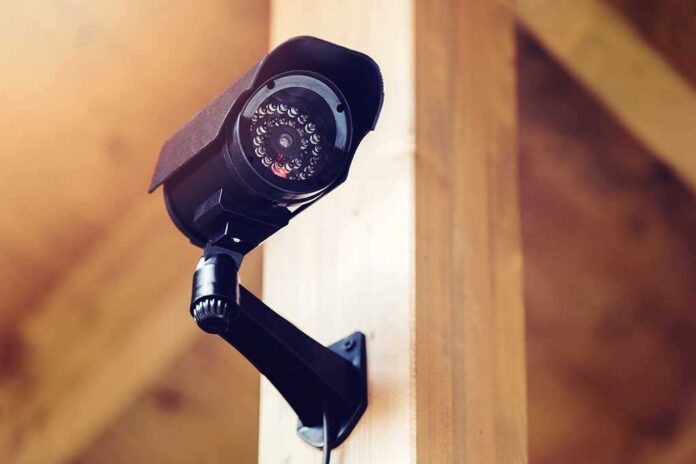
The same cameras that help find stolen cars and missing kids are quietly building a map of your life.
Story Snapshot
- Flock Safety license plate cameras are now in thousands of communities and over 125 Michigan cities
- Studies say these cameras boost crime clearance and help locate missing people, especially stolen vehicle cases
- Civil liberties groups say the same system tracks everyone, is widely abused, and suffers serious errors
- Local voters now face a hard choice: more solved crimes, or more government power over their daily movements
What These Cameras Actually Do To Your Daily Drive
Flock Safety sells automated license plate reader cameras that watch every car passing by, day and night. Each unit snaps a photo, reads the plate, and tags details like car make, model, and color. That data goes into a central system police can search by plate number or even bumper stickers and damage. Most drivers never get told their car was scanned. Yet over 125 cities and counties in Michigan alone now use these systems to track vehicles and support investigations.
Flock’s own material and police trade publications call this a “force multiplier” for officers. One peer-reviewed study, done with outside criminology researchers, found that adding one Flock camera per sworn officer matched a 9.1 percent jump in crime clearance rates for a typical agency. Researchers also saw clearance rates tick up another one percent when nearby agencies used Flock too, suggesting a big advantage when many departments share the same network.
The Safety Case: More Arrests, More Recoveries, More Missing People Found
Flock claims its technology helped with about one million investigations in 2025 and was involved in roughly one out of every five cases that police managed to solve that year. The company says its cameras helped locate over 10,000 missing people in 2025, about 27 people every day. Police studies beyond Flock also back up strong results for auto crimes. Researchers find that high density license plate readers can double or triple the odds of finding stolen cars and making arrests tied to those thefts.
That matters because motor vehicle theft has one of the worst solve rates of any major crime, at about nine percent nationally. In Flock’s census, 42 percent of agencies reported that the system played a role in half or more of their stolen vehicle recoveries. From a conservative law-and-order view, these tools look like a way to make smaller departments act larger. They give police a chance to be in the right place, at the right time, without hiring hundreds of new officers or raising taxes.
The Other Side: Mass Tracking, Errors, And Temptation To Abuse Power
Civil liberties groups argue the same system that helps solve crimes also builds a detailed log of innocent drivers’ movements. One analysis from the American Civil Liberties Union says fewer than one percent of cars scanned by license plate readers are tied to any crime, meaning almost all the data belongs to people who did nothing wrong. That group also reports that Flock systems misread the state on about one in ten license plates, which is a huge error rate for something used to justify stops and arrests.
👀THE FLOCK CAMERA INVASION OF MINNESOTA:
False Alarms in Plymouth Expose the Dangers of Mass Surveillance👀Just days ago in Plymouth, Minnesota, an innocent man doing his job was swarmed by police cars with lights and sirens in a Kohl's parking lot, all triggered by a Flock… pic.twitter.com/mHsDD1EnPj
— Libertarian Party of Minnesota (@LPofMN) July 10, 2026
Real cases show those errors are not harmless. In Ohio, a camera misread a plate, police treated it as a stolen vehicle hit, and a driver ended up wrongly arrested and attacked by a police dog. The Electronic Frontier Foundation reviewed millions of searches across thousands of agencies and documented officers using plate reader networks to stalk romantic interests, monitor protests, and track vulnerable groups such as Romani families and women seeking health care. That picture clashes with basic American conservative values of limited government and strong protections for private life.
Who Controls Your Data, And How Long They Keep It
Flock markets its system as capturing “point in time” images, not tracking any one car over time. Yet public records and training materials show that the platform can produce “heat maps” of a vehicle’s activity for as long as a month. That means police can sit down at a screen, type in your plate, and see where your car has been for the last 30 days, even if you were never suspected of a crime. Some judges are starting to push back. A Virginia court ruled that long term, warrantless collection of driver location data through these systems violated privacy rights.
Oversight of who can run those searches is thin. Audit logs from one Georgia suburb showed Flock employees pulling camera feeds from sensitive spots like a children’s gym and a Jewish community center to run sales demos. The company later apologized, but that episode shows how easy it is for people with access to look into places and patterns most citizens assume stay private. In early 2026, Flock also changed its legal terms to drop language about gross negligence and willful misconduct, which reduces its exposure if something goes badly wrong with data or misuse.
Federal Use, Quiet Expansion, And The Backlash Building In The States
Many skeptics worry less about the local detective solving car thefts and more about federal agencies quietly mining these networks. Records from Danville, Illinois show Immigration and Customs Enforcement using local Flock data for deportation work. Investigations have linked Flock systems to protest monitoring and other political targets, even as some police departments publicly insist their cameras are never used for immigration enforcement. That gap between public reassurance and actual practice raises red flags for anyone who believes government power should have tight limits.
Congress poured federal money into license plate camera deployments through the Infrastructure Investment Jobs Act, often with little open debate at city halls. Now the backlash is visible. At least 57 towns have ended or declined Flock contracts in the past year, with more putting deals on hold after residents raised privacy concerns. Activists built sites to map camera locations nationwide and press for local rules. In response, Flock’s chief executive called one group a “terroristic organization,” comparing them to Antifa, a move that will strike many conservatives as an attack on citizen watchdogs rather than a defense of public safety.
Where Common Sense Leaves The Average Driver
The evidence points to a hard truth. License plate cameras can help solve specific crimes and find missing people faster, especially stolen cars and robbery cases. At the same time, the way these systems are deployed today creates a mass surveillance network of innocent drivers, with documented abuse, high error rates, and weak limits on government and corporate access. A common sense, pro-safety, pro-liberty approach would insist on warrants for broad searches, short data retention, real audits of use, and strict bans on political or immigration targeting.
Until those guardrails are in place, every new camera is not just another tool against crime. It is also another sensor feeding a system that knows where you sleep, where you worship, where your kids play, and which protests you attend. That is the real choice voters face when city councils debate the next Flock contract: not cameras or no cameras, but whether safety gains are worth handing that kind of map of your life to the state.
Sources:
thegatewaypundit.com, police1.com, scribd.com, flocksafety.com, aclu.org, michiganpublic.org, reddit.com, eff.org, gainsec.com, mrsc.org, data.aclum.org, dhs.gov, ideas.repec.org
© patriotnewsdaily.com 2026. All rights reserved.