A U.S. influencer toured Taliban-run Afghanistan with VIP access to officials, then praised daily life while United Nations data shows sweeping bans on women and girls.
Story Snapshot
- Sneako met Taliban-linked figures and streamed curated interviews during a three-day visit.
- United Nations reports document nationwide limits on Afghan women’s movement, work, and education.
- Sneako denied being paid and framed his trip as independent journalism.
- U.S. questioning after the trip remains unconfirmed by federal agencies, per reporting.
What Happened During the Afghanistan Trip
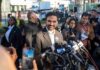
NDTV reported that the streamer known as Sneako spent about three days in Afghanistan, where he interviewed Taliban Foreign Ministry spokesman Abdul Qahar Balkhi and met Anas Haqqani. He posted conversations with Taliban members and shared scenes that showed schools and public spaces. The access came through the host authorities’ selections and settings, not through an open press tour with broad, independent sourcing. NDTV also noted that his coverage relied on his own livestreams and posts.
Supporters described the footage as rare, direct access to people and places often hidden by headlines. They said it showed normal life and human stories, not just conflict and fear. Sneako said he was doing journalism, was not paid, and wanted real conversations with locals and officials. A posted video highlighted a girls’ school and women in public as proof that Western reporting is often wrong about daily life in Afghanistan under Taliban control.
How Verified Data Contradicts the Rosy Picture
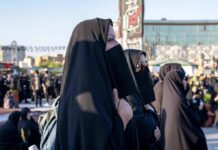
United Nations reporting presents a starkly different record. In 2025, the United Nations Special Rapporteur documented nationwide restrictions on women and girls across movement, education, health, work, expression, association, and public life. The report detailed rules that bar women from many jobs and limit travel without a male guardian. These are not isolated rules or local quirks. They form a system that narrows women’s roles and cuts them off from normal public life.
United Nations Women issued a 2025 alert that tracked a rise in bans on women’s access to parks, gyms, and recreation, climbing from 15 percent of monitored locations in 2024 to 26 percent in 2025. The alert stressed that many women face blocked schooling, blocked employment, and limits on using public services. These findings are based on field monitoring and program data, not on a single visit or clip. They also match a wider pattern recorded by press freedom groups.
Why Access Journalism Can Become the Message
The problem is not that a visitor saw people studying or walking outside. Some activity happens even under harsh rules. The problem is what cameras do not see when hosts pick the route, the guests, and the script. Research on Afghanistan’s media space shows a press system reshaped by Taliban control, with intimidation, censorship, and state-aligned outlets replacing many independent voices. That environment favors guided tours that look open while hiding off-limits facts.
@sneako You clearly have no idea what you’re talking about. Flying into Afghanistan, meeting Taliban officials, filming carefully curated encounters, and dismissing the realities of women’s oppression is not independent reporting. It is helping legitimize a regime that has…
— Shinkai (@Shinkaisss) November 25, 2026
Critics across the spectrum see a deeper worry. Big platforms reward dramatic first-person footage over careful reporting. That lets leaders and influencers shape a story with quick clips that travel far. Long, verified reports move slower and feel distant. When a government controls access and an influencer controls the frame, viewers may get a tidy narrative with the rough edges cut away. That is how soft propaganda often works in the digital age.
Where the U.S. Angle Stands
NDTV reported that Sneako claimed he was questioned for eight hours by U.S. officials and that devices were seized. The outlet also reported that the Federal Bureau of Investigation and Homeland Security Investigations had not confirmed any probe, and that no charges were announced as of the report’s date. That leaves an information gap. The claim is notable, but official silence means the legal picture is still unclear to the public.
How to Judge Claims Without Taking the Bait
Viewers should separate three things. First, what the influencer filmed. Second, what hosts allowed or staged. Third, what credible institutions have verified. Sneako’s streams offered access and scenes of calm life. United Nations reports document wide, enforced limits on women and girls. Both cannot describe the whole country at once. In a controlled setting, limited snapshots can look normal while rights are sharply reduced across the nation.
The Bigger Picture for U.S. Audiences
Americans on the left and right worry that powerful actors spin stories while real people pay the price. This case taps those fears. A closed media system abroad met a clicks-first system at home. The result was a tour that felt revealing but skipped the hardest facts backed by field data. Citizens deserve more than curated access and viral clips. They need clear, sourced reporting that tests claims against independent records before trust is spent.
Sources:
zerohedge.com, 8am.media, sports.ndtv.com, unwomen.org, hungarianconservative.com
© patriotnewsdaily.com 2026. All rights reserved.