DHS says a Venezuelan national in Utah passed out stickers urging people to shoot President Trump, and agents moved fast.
Story Snapshot
- DHS-linked images show a sticker urging “Shoot Trump” with graphic symbols.
- Agents arrested Hector Alejandro Mujica-Hernandez in Provo on Oct. 16.
- DHS ties the stickers to a local meeting opposing immigration enforcement.
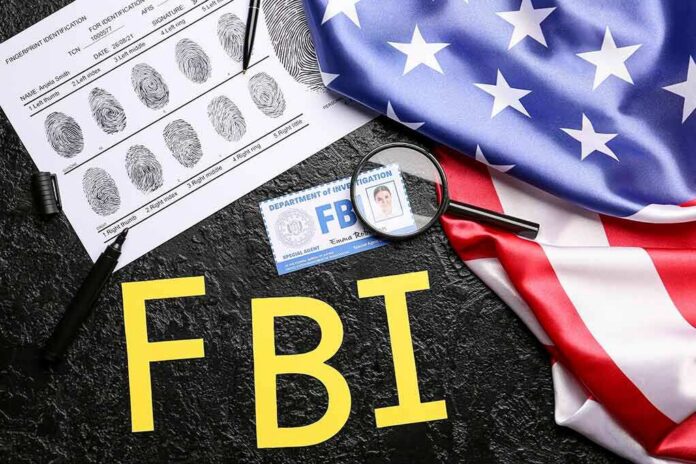
- FBI online-threat leads helped identify the suspect, according to DHS.
Arrest In Provo After Violent Message Surfaces
Homeland Security Investigations agents arrested Hector Alejandro Mujica-Hernandez in Provo, Utah, on October 16 during a targeted immigration operation, according to the Department of Homeland Security. Officials link him to stickers that read, “Shoot Trump, be a hero, become unforgetable,” with a stylized symbol DHS described as anarchist-inspired. The department says the stickers encouraged violence against President Trump and triggered a coordinated response by federal agents.
DHS says the images came to light as part of a broader assessment of threats to federal protectees. The reported design and violent slogan stood out because they cross a red line: direct calls for lethal action. Authorities treat that kind of message as urgent, even when it appears on something as small as a sticker. The size does not matter; the intent the words suggest is what moves agents to act quickly when a potential threat targets a sitting president.
How Investigators Traced The Lead
The Department of Homeland Security says Homeland Security Investigations received information from the Federal Bureau of Investigation about online activity linked to threats against President Trump. Investigators then tied that activity to Mujica-Hernandez, according to DHS accounts shared with reporters. The department also says he distributed the stickers at a People of Provo Against Immigration and Customs Enforcement meeting, which gave the case a specific time and place rather than only online chatter.
The suspects in political threat cases vary widely, but the playbook for investigators is steady. Agents start with a tip, look for the speaker’s identity, and decide if the threat is credible. They move to contain risk while they map out any network. In this case, DHS has not detailed every step agents used to attribute the material. One local report said DHS did not list criminal charges tied to the threats at the time of the arrest, which was carried out on immigration grounds.
Why A Sticker Still Matters
Some will claim a sticker is only speech. Federal law draws a line between ugly talk and a true threat. When a message names a person, calls for their killing, and gets handed out in a group setting, agents treat it as a real concern. The standard here reflects common sense and conservative values: protect life first, then sort the rest out in court. Words that incite violence against a president are not a political bumper sticker. They are a public safety risk.
History shows why speed matters. Threats and plots against presidents are a recurring reality. Federal data and case records reflect steady prosecutions over decades, with dozens of cases in some years. Recent prosecutions underscore that law enforcement takes threats seriously, from online messages to in-person attempts. The pattern is simple: act fast on threats, prevent harm, and prosecute when the facts and law support it.
What Comes Next In Utah
Officials placed Mujica-Hernandez under immigration arrest after tying him to the violent message and the reported distribution point in Provo. If prosecutors pursue a speech-related case, they will need to show more than offensive words. They must prove a true threat or solicitation, which depends on facts like authorship, intent, and context. DHS statements outline the core of the case and the timeline. Courts will handle any next steps if criminal charges are filed.
The stakes extend beyond one arrest. Political violence corrodes trust, chills debate, and invites copycats. That is why law enforcement moves on clear red flags, even when the medium seems small. The message reported here was not a policy critique. It was a call to kill the Commander in Chief. The firm response sends a needed signal: in America, we argue hard, we vote hard, and we protect our leaders from harm.
Sources:
foxnews.com, whmi.com, fox5ny.com, x.com
© patriotnewsdaily.com 2026. All rights reserved.