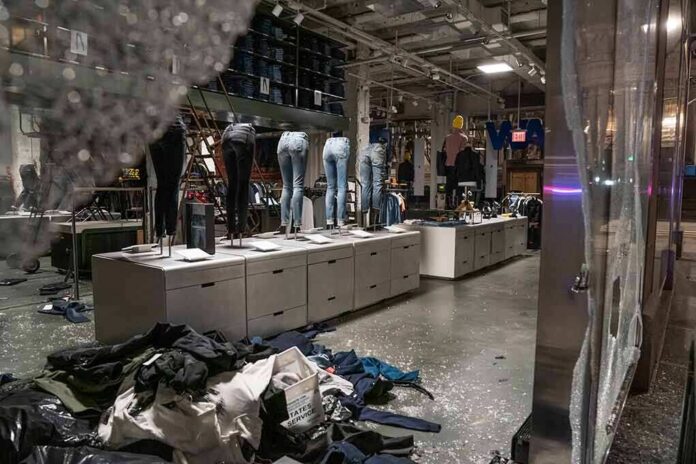
“Let them steal” was not a shrug at crime; it was a blunt safety-first rule that ignited a firestorm.
Story Snapshot
- Manitoba legislator Billie Cross told retail workers to avoid physical confrontations with thieves.
- Cross framed human life as more valuable than property and cited insurance as the safety backstop.
- The phrase “let them steal” went viral, prompting her apology for confusion while affirming theft is wrong.
- Retail-safety guidance widely directs workers not to chase or fight shoplifters.
What Cross Said And Why It Exploded
Seine River Member of the Legislative Assembly Billie Cross told colleagues on October 29, 2026, that no one’s property is worth a human life. She warned that laws can push people to make split-second choices when they are scared. She pointed to common retail guidance: tell staff not to physically intervene when someone steals. She said that is why people carry insurance, to cover losses without risking lives. The short phrase “let them steal” then dominated headlines and social feeds.
Cross later apologized for confusion and said she believes stealing is wrong and should bring consequences. The apology did not retract the core safety point. It aimed to separate on-the-spot worker conduct from what should happen after a crime. That split is the heart of modern retail safety. Keep people safe first, then seek accountability through reports, evidence, and legal action. That is not soft on crime; it is practical triage in a risky moment.
The Policy Fault Line: Safety Now, Consequences After
Many stores already train staff to avoid physical confrontations with suspected shoplifters. The Retail Council of Canada’s safety guide urges clear policies, prevention, and reporting, not chasing or fighting thieves. Workers’ compensation guides echo the same rule: do not be a hero, do not pursue, and keep distance when a suspect may be violent. These norms exist because one shove or grab can turn a petty theft into a deadly scene that no receipt can fix.
Critics focused on insurance as a cure-all. That is the weak link in Cross’s framing. Insurance does not always make a retailer whole. Deductibles, exclusions, and higher premiums can follow repeated claims. That is common sense and a fair concern, even if the articles that quoted her did not supply the data. Business owners know a thin-margin year can collapse when shrink rises and coverage tightens. The safety rule for staff does not answer those bottom-line questions.
Bill 210’s Debate And The Viral Shortcut
The clash came during debate on Bill 210, which concerned civil claims for damages tied to trespass to commit a crime. Cross warned that some changes could fuel snap judgments in tense moments. She stressed that lives matter more than property and cited the widespread training message to stand down when a theft occurs. The public conversation then reduced a layered workplace policy into a three-word slogan. That shortcut obscured the clear split between worker safety and criminal accountability.
Cross’s follow-up statement tried to close that gap. She affirmed that crime deserves consequences while keeping her non-confrontation stance for workers. That balance tracks with mainstream safety guidance: call police when threats appear, document the incident, and pursue charges later. It also fits a conservative view that life, order, and responsibility must line up. Do not risk a cashier’s life over a basket of goods. Do hold offenders to account through the law.
What Sensible Policy Looks Like On The Ground
A sound plan starts before any theft. Stores set clear policies, train staff on de-escalation, and place high-risk items behind counters. During an incident, workers keep distance and alert managers or call police if danger rises. Afterward, businesses share footage, file reports, and seek restitution through the courts. The Retail Council of Canada’s guide lays out this chain plainly: prevent, report, and coordinate with authorities; do not chase. That path protects people and builds a case.
One more truth sits beneath the headlines. Retail workers report fear and stress tied to theft and aggressive behavior. Surveys show many face petty theft and hostile customers as top problems. That makes calm, simple rules crucial on the floor: step back, stay safe, and let trained security or police handle it. Safety-first does not mean crime-last. It means we do not trade a life for a receipt. Then we use the law, not a fist, to settle the bill.
Sources:
townhall.com, winnipegfreepress.com
© patriotnewsdaily.com 2026. All rights reserved.