Two Phoenix officers were arrested and fired after a violent, unreported traffic stop that the chief says involved assaults and a Taser use.
Story Snapshot
- Chief Matt Giordano says detectives confirmed assaults on a man and a woman during an Aug. 5 stop.
- The stop was not reported, and the officers did not activate body cameras, according to the department.
- The officers, Antonio Felix and Luis Vasquez Jr., were tied to the stop near 19th Avenue and Broadway.
- Tempe Police found no record of the stop and flagged the case to Phoenix Police, prompting the probe.
What Happened And Who Was Involved
Phoenix Police Chief Matt Giordano announced that officers Antonio Felix and Luis Vasquez Jr. were arrested and fired for their roles in an Aug. 5 traffic stop near 19th Avenue and Broadway at about 11:30 p.m. He said his detectives confirmed both a man and a woman were assaulted during the stop and that a Taser was used on the victims. He identified the pair by name and linked them to the scene and time. Multiple local outlets reported the same details the next day.
The department says the stop was never reported and that neither officer activated a body-worn camera, both violations of clear policy. Tempe Police came across the case after a man said he was followed and stopped, but records checks showed no official trace of a Phoenix patrol stop. Tempe notified Phoenix, which opened a criminal and internal investigation. That path matches the chief’s timeline and explains how the case surfaced without usual patrol logs.
How The Case Advanced So Quickly
Giordano told reporters he fired both officers and that Phoenix Police booked them on felony charges tied to the stop, including counts listed in news reports such as aggravated assault and related crimes. He said detectives reviewed radio traffic and vehicle location data to build the timeline. He also said the officers sat for interviews with attorneys. Local television and print reports the same day and the day after echoed the names, the firings, and the core findings he described.
News coverage summarizes an armbar used on the woman, punches thrown at the man, and threats made during the encounter, though not every outlet used the same level of detail. That difference is common in early reporting and does not change the central claims. The chief’s own account is the backbone here: two named officers, one late-night stop, assaults confirmed by detectives, and a Taser deployed during the event. The department’s position is clear and public.
Why The Missing Camera Footage Matters
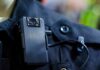
Lack of body-camera activation is not a small policy miss. It erases the most direct record and forces everyone to rely on interviews, data, and scene work. Research on body-worn cameras shows they cut down “not enough evidence” findings and raise sustained outcomes in misconduct reviews, which is why turning them on is not optional in any serious department. When video is missing, judgment gets shaped by narrative cues rather than hard tape, and that makes accountability harder.
COURT APPEARANCE: The two PHX PD officers (who were fired and arrested) appeared before a judge late Saturday night. MCAO described allegations of a violent “off the books traffic stop”. Both Antonio Felix and Luis Vasquez Jr. have a $100k secured appearance bond. If they are… https://t.co/im8Tbc9lgP pic.twitter.com/IX48DrIIwT
— Ashley Holden (@ashleyvholden) August 23, 2026
American conservative values favor order with accountability. Honor the badge by enforcing the rules that keep both citizens and officers safe. That starts with simple habits: report the stop, hit the camera, and follow policy. Most cops do that daily without fanfare. When someone does not, the department must act fast and clean. That is what Giordano did here: name names, state the facts, fire the violators, and turn the case over for criminal review.
What Comes Next And What To Watch
This case will now move through charging and court review. The public should expect release of key records that explain the exact basis for every count, including the timeline, the Taser use, and any property or restraint issues tied to the labels in the reports. Phoenix officials also pointed to radio and vehicle data as anchors for the probe. Those items help fix time and place and test witness accounts without video. One brief caution applies: arrests are not convictions.
Departments nationwide have learned this lesson the hard way. Cameras reduce guesswork, protect good officers from false hits, and speed fair discipline when lines are crossed. A New York City review board study found that cases with body-camera footage were far easier to resolve and more often ended with firm findings rather than shrugs. The policy is simple common sense: record the stop, write the report, and let facts carry the day. Phoenix just offered a case study in why.
Sources:
washingtontimes.com, youtube.com, azcentral.com, facebook.com
© patriotnewsdaily.com 2026. All rights reserved.