Chicago’s Lawndale residents set their property tax bills ablaze, igniting a protest that is as much about reclaiming power as it is about dollars and cents—and the reverberations may reach every American city grappling with gentrification and fairness.
Quick Take
- Lawndale homeowners held a “property tax bonfire” to protest steep, unexplained tax hikes.
- Residents destroyed tax bills in a symbolic act, demanding transparency and relief from officials.
- Community leaders proposed bold policy reforms, echoing California’s Prop 13.
- The event highlights deep frustration and rising grassroots activism in historically marginalized neighborhoods.
Tax Bills Burn, But Frustration Smolders
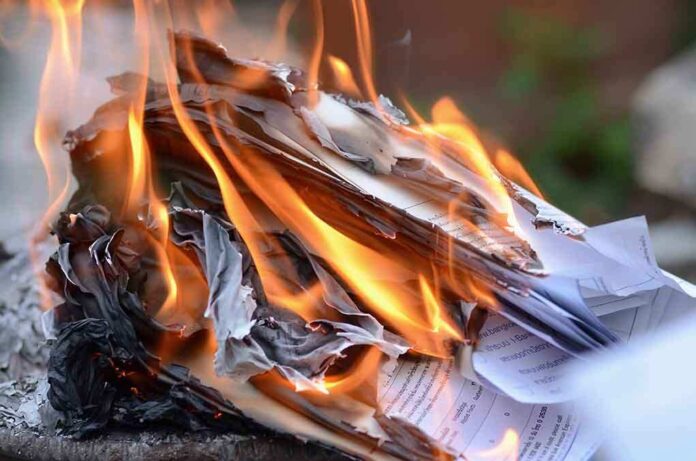
Harmony Community Church, usually a sanctuary for spiritual reflection, became the epicenter of a fiscal rebellion on November 15, 2025. Lawndale homeowners, blindsided by jarring property tax hikes, gathered to transform their outrage into action. In a scene reminiscent of the Boston Tea Party, residents fed their bills to a bonfire, signaling a tipping point in the city’s long-simmering battle over property taxes. The protest wasn’t orchestrated by politicians seeking reelection; it was led by citizens who felt their voices had been ignored for too long. The spectacle of burning tax bills drew not just neighbors, but the attention of media and officials, forcing a citywide reckoning with an issue that rarely makes headlines—until now.
One attendee’s voice echoed the shared sentiment: “We have no idea where the money is going, but our bills keep climbing.” The crowd, a cross-section of working families and retirees, demanded clarity. Their message: if government can’t explain or justify these costs, why should they bear the burden in silence? Each burning bill symbolized not only personal hardship but also decades of neglect, broken promises, and opaque fiscal maneuvering that has left neighborhoods like Lawndale vulnerable and angry.
The Roots of the Tax Revolt: Divestment, Gentrification, and TIFs
Chicago’s property tax system has rarely been accused of being simple or fair. For years, critics have pointed to a lack of transparency, with residents in lower-income and minority areas often shouldering disproportionate tax burdens. The latest round of increases—sometimes nearly $1,000 higher than the previous year—arrived without clear warnings or explanations. Many homeowners found mysterious new charges linked to Tax Increment Financing (TIF) districts, like Ogden Pulaski, with no public discussion about how these funds are spent or why their blocks were suddenly deemed more valuable. For neighborhoods like Lawndale, long starved of investment, these increases felt not just unfair, but predatory—especially as redevelopment and gentrification loom on the horizon, threatening to push out the very families who have endured years of municipal neglect.
The protest drew inspiration from past neighborhood movements, such as those in Hyde Park during the development of the Obama Presidential Center, where residents feared displacement as property values—and taxes—soared. But Lawndale’s bonfire was distinctive: grassroots, unfiltered, and squarely focused on forging solutions from within the community, not relying on outsiders or political saviors.
Chicago homeowners demand answers, speak out at 'property tax bonfire' https://t.co/qNScfMpsP7 #FoxNews
— Rob Beto Aragon🇺🇸🇮🇱🇻🇦 (@gopwillrise) November 17, 2025
Who Holds the Power—And Who’s Held Accountable?
Leading the charge was Dr. Richard Townsell, a respected community organizer, alongside the Lawndale Christian Development Corporation. With them stood not just frustrated homeowners, but also elected officials like State Representative Yolanda Morris and County Commissioner Michael Scott Jr., compelled to confront the anger face-to-face. The power dynamic was palpable: residents, once passive recipients of government policy, were now demanding a seat at the table. Cook County Treasurer Maria Pappas responded with immediate, if limited, relief—announcing payment plans that stretched over 13 months, offering a lifeline but not a cure. While officials spoke of administrative remedies, community leaders pushed for deeper, systemic change, proposing reforms modeled after California’s Prop 13, which caps property taxes at 1% of assessed value and restricts annual increases to 2%. The debate exposed a familiar divide: government urging patience and process, citizens demanding results and respect.
The bonfire protest catalyzed a new phase in Chicago’s property tax debate. Residents organized follow-up meetings, strategized legislative proposals, and vowed to keep the pressure on until real transparency and fairness were achieved. The ripple effects are already being felt, with neighboring communities expressing solidarity and hinting at similar actions. Lawndale’s message is unmistakable: the era of quietly accepting opaque tax hikes is over.
What Comes Next: Will Chicago Listen?
The short-term outcome of the bonfire is both symbolic and tangible: homeowners have a bit more breathing room, thanks to extended payment plans, and local officials can no longer ignore the uproar. Yet the long-term stakes are far greater. At issue is the future of neighborhoods like Lawndale—whether they’ll become enclaves for new, wealthier residents or remain vibrant communities for those who built them. The protest has injected new urgency into the broader debate about urban equity, affordable housing, and the complex machinery of municipal finance. If Lawndale succeeds in securing lasting reform, it could set a precedent for cities nationwide where similar frustrations are reaching a boil. The next phase will test whether grassroots action can outmaneuver entrenched bureaucracy and whether city leaders will finally provide the transparency and fairness their constituents demand.
The flames may have died down at Harmony Community Church, but the push for justice is just getting started. The rest of Chicago—and perhaps the nation—would be wise to watch closely.
Sources:
Chicago homeowners speak out on new property tax increases at bonfire on West Side