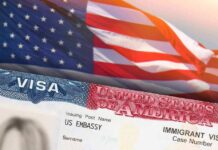
The federal government removed the “never lived in the U.S.” checkbox from the core overseas voter form, and that small box carried big fights about who gets a ballot and who does not.
Story Snapshot
- The Federal Post Card Application was revised in August 2026 to drop a disputed checkbox.
- Officials called the checkbox “inaccurate” and said the change cuts confusion.
- Texas uses applicant answers to block ballots when state law says “not eligible”.
- Advocacy sites long flagged that some states treat “never lived in U.S.” voters differently.
What changed on the federal form and why it matters
The Federal Post Card Application is the standard form overseas citizens and service members use to register and request absentee ballots. In late August 2026, the Office of Information and Regulatory Affairs approved a revision that removed the checkbox for voters who said they had never lived in the United States. The approval record says the box was an “inaccurate eligibility checkbox” and that the change clarifies identification rules and reduces confusion for voters and officials. The updated package and listing confirm the revision.
HUGE Development: Revised Overseas Voter Form FPCA Eliminates Checkbox “I Never Lived In U.S.” – A Blow to Birth Tourism Voters, Non-Citizens, and Democrats.https://t.co/gtlvEDzUl3 #gatewaypundit via @gatewaypundit
— Titanium Tootsie (@TitaniumTootsie) September 8, 2026
That short line on a form had outsized weight. The old checkbox sat at the crossroads of federal standardization and state election law. Texas tells local officials not to send a ballot if an applicant indicates they have never resided in the United States, because state law does not entitle those applicants to a ballot. The Texas checklist treats that signal as a stop sign, not a speed bump. Removing the box does not override Texas law, but it does change the first glance a clerk sees.
Who is actually eligible when you strip away the noise
Federal guidance builds access around citizenship, an overseas address, and a U.S. voting residence. The Federal Voting Assistance Program says overseas citizens need a voting residence to vote absentee, even for federal-only ballots. Children of U.S. citizens born abroad can, in some states, use a parent’s last U.S. address; in other states, they cannot. That split has existed for years and does not depend on a single field on the form. In short, the form asks; the state decides.
Advocacy help sites reflect the same patchwork. They describe five categories overseas voters choose from and warn that some states exclude the “never lived in the U.S.” option or treat those voters as federal-only. They aim to route voters to each state’s rules so an application does not die in a paperwork ditch. That context explains why federal reviewers called the removed checkbox “inaccurate” as an eligibility marker; it implied a uniform rule that does not exist across states.
Does removing the checkbox weaken safeguards or clean them up
Critics say that deleting the box erases a fast filter and could open the door to shaky claims. That worry taps a core conservative value: clear lines that stop ineligible ballots. But the checkbox was always self-attestation. It did not verify citizenship or residence. States set eligibility and can still ask, check, and deny. Texas proves that point; it halts ballots based on state law and documented responses, not a federal line on a page. A cleaner form can help officials apply real rules faster.
Supporters of the change argue it reduces false cues and sticks to federal law. The Office of Information and Regulatory Affairs said the form now better aligns with federal statutes and clarifies identification needs. That stance fits another conservative value: follow the law as written and cut confusion that breeds error. A simple, accurate form, paired with firm state vetting, protects both access for eligible citizens and the integrity of the count.
What to watch next: proof, not vibes
Two questions deserve tight answers. First, do states that disallowed “never resided” applicants still catch them without the box? Texas’s instructions suggest yes. Second, did any jurisdiction see a spike in wrongly issued ballots after the August 2026 change? The record in hand shows no prosecutions, audits, or official findings tied to the revision. If hard cases surface, they should be weighed with dates, documents, and chain of custody, not screenshots. Until then, the guardrails remain where they always stood: in state law, identity checks, and audit trails.
Sources:
votefromabroad.org, eci.gov.in, aaro.org, reginfo.gov, sos.state.tx.us, bm.usconsulate.gov
© patriotnewsdaily.com 2026. All rights reserved.