
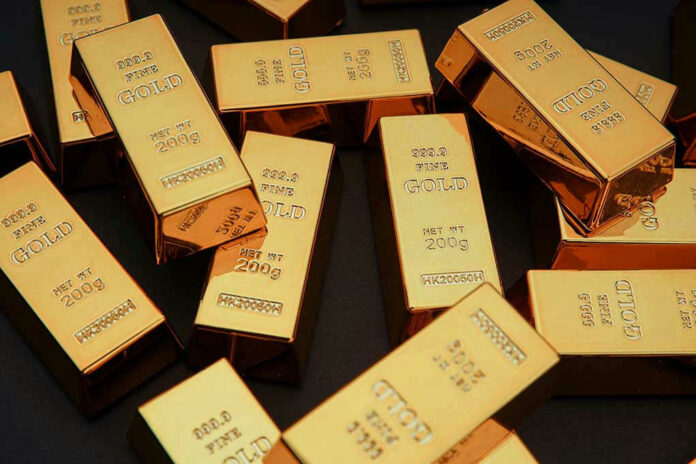
Silver just shattered every record in the book, rocketing to $65 per ounce while gold doubled in two years, but the forces driving this historic surge reveal a much deeper story about the future of money itself.
Story Highlights
- Silver exploded 120% in 2025, hitting an all-time high of $65 per ounce on December 17
- Gold peaked at $4,381 in October 2025, delivering its best performance since the 1979 oil crisis
- Five consecutive years of silver supply deficits coincide with booming demand from solar panels, electric vehicles, and AI data centers
- Central banks worldwide are aggressively diversifying away from dollar assets, creating a price floor for gold
- Major banks forecast silver could hit $100 and gold $5,000 by 2026
The Perfect Storm Behind Silver’s Historic Breakout
Silver’s meteoric rise stems from a collision between stagnant mine production and exploding industrial demand. Solar panel manufacturers, electric vehicle producers, and artificial intelligence data centers devour silver faster than miners can extract it from the ground. This marks the fifth consecutive year of supply deficits, creating physical shortages in major trading hubs like London.
Bank of America raised its 12-month silver target to $65, while BNP Paribas projects the metal could reach $100 by late 2026. The green technology revolution requires massive amounts of silver for solar panels and EV batteries, yet mine production remains virtually flat despite soaring prices.
Gold’s Geopolitical Renaissance
Gold’s surge to $4,381 reflects more than monetary policy. Central banks across Asia and emerging markets are systematically reducing their dollar exposure, accumulating gold reserves as a hedge against geopolitical tensions and fiscal instability. This institutional buying provides a solid foundation beneath gold prices that didn’t exist in previous decades.
The precious metal benefits from an expanding investor base that includes stablecoin issuers like Tether and Asian pension funds seeking portfolio diversification. Unlike past rallies driven purely by inflation fears, this surge represents a fundamental shift in how institutions view dollar-denominated assets amid persistent U.S. fiscal deficits and international trade conflicts.
Market Dynamics Signal Sustained Rally
Recent weak U.S. employment data rekindled expectations for Federal Reserve rate cuts, weakening the dollar and propelling both metals higher. However, analysts emphasize that structural factors, not just monetary policy, drive these historic gains. JP Morgan and Metals Focus project gold could reach $5,000 in 2026, supported by continued central bank purchases and safe-haven demand.
The rally’s breadth distinguishes it from previous precious metals booms. Silver’s industrial applications create genuine physical demand that can’t be easily substituted, while gold’s role as a dollar alternative gains credibility as fiscal deficits persist and geopolitical tensions escalate from Ukraine to potential trade wars.
Investment Implications and Future Outlook
Despite warnings about stretched positioning in precious metals markets, the fundamental drivers remain intact. Silver’s supply-demand imbalance shows no signs of resolution as green technology adoption accelerates globally. Mining companies face years-long development timelines to bring new production online, ensuring continued deficits.
For investors over 40 who remember gold’s previous peaks and crashes, this surge carries different characteristics. The combination of industrial demand for silver and institutional adoption of gold creates multiple support levels. While short-term pullbacks remain possible due to crowded positioning, the structural trends suggest this rally has more room to run than skeptics believe.
Sources:
Silver Breaks All-Time Record, Up 120% in 2025 — Gold on Track for Best Year Since 1979