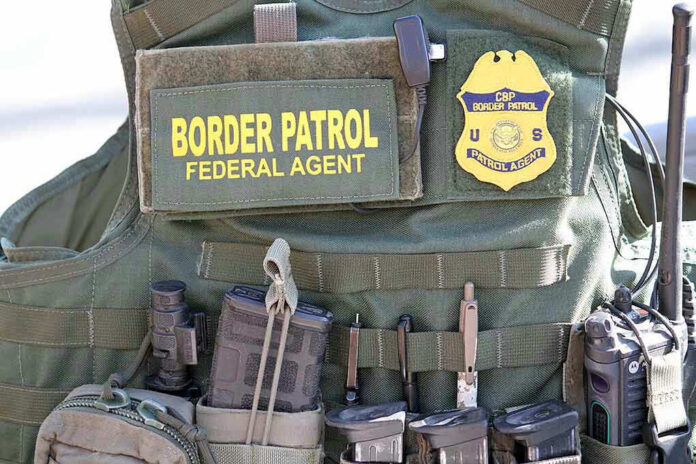
Hundreds of activists swarmed downtown Minneapolis hotels in a coordinated campaign to force federal immigration agents from their lodgings, marking a dangerous escalation in tactics that blur the line between protest and targeted intimidation.
Story Overview
- Hundreds of protesters surrounded the Canopy by Hilton hotel where ICE agents were believed to be staying
- Demonstrators used drums, trumpets, and aggressive chants while some entered the hotel interior
- A splinter group of 100 protesters moved to target a second hotel, the Renaissance by the Depot
- The protest erupted following the fatal shooting of activist Renee Nicole Good by an ICE agent
- Minneapolis police adopted a hands-off monitoring approach rather than dispersing the crowd
Federal Agents Become Moving Targets
The January 10th demonstration transformed downtown Minneapolis into a hunting ground where federal immigration enforcement officers found themselves trapped in commercial hotels. Protesters wielded noisemakers and chanted obscenities like “F–k ICE” and “Get the f–k out of MN” while surrounding the Canopy by Hilton. The crowd’s ability to quickly locate and mobilize against federal agents’ lodging reveals sophisticated intelligence networks among activist groups.
When approximately 100 demonstrators splintered off to target the Renaissance Hotel by the Depot, they demonstrated a coordinated effort to track multiple federal accommodation sites simultaneously. This tactical approach mirrors successful campaigns in California where activists previously “chased federal agents out of hotels” during deportation operations, proving these methods can achieve their intended disruption.
Fatal Shooting Ignites Nationwide Resistance
The hotel siege stemmed directly from the January 7th fatal shooting of Renee Nicole Good, a 37-year-old activist killed by an ICE agent in Minneapolis. Video footage of the incident spread rapidly across social media, creating a rallying point for anti-ICE networks nationwide. The timing couldn’t have been worse for federal operations, as the graphic nature of the shooting provided activists with powerful propaganda ammunition.
This incident represents the latest flashpoint in an escalating series of confrontations between deportation forces and organized resistance movements. Previous episodes included federal agents being confronted at a Minneapolis Mexican restaurant in June, resulting in physical altercations, and an ICE vehicle running over protesters in San Francisco during anti-deportation demonstrations.
Police Strategy Raises Serious Questions
Minneapolis Police Department’s decision to maintain a “stand-back, monitoring approach” while hundreds of activists surrounded federal agents raises troubling questions about law enforcement priorities. Local news coverage showed officers present but notably absent from any crowd control efforts, essentially allowing the intimidation campaign to proceed unimpeded.
This passive policing strategy reflects the political reality in Minneapolis, where city leadership remains hypersensitive to any appearance of aggressive crowd control following the George Floyd incident. However, prioritizing optics over officer safety and public order sends a dangerous message that federal agents can be hunted with impunity in certain jurisdictions.
Dangerous Precedent for Future Operations
The success of these hotel-targeting tactics will inevitably encourage similar operations nationwide, fundamentally altering how federal immigration enforcement can operate. When activists can rapidly identify agent accommodations and mobilize disruptive crowds, it forces expensive security modifications and operational constraints that hamper legitimate law enforcement activities. The hospitality industry now faces an impossible choice between government contracts and avoiding reputational damage from hosting “controversial” federal units.
Most concerning is how mainstream coverage downplays the organized nature of these operations by labeling them simply as “protests” rather than acknowledging the surveillance and coordination required to track federal personnel movements. This tactical evolution represents a calculated escalation that transforms routine law enforcement lodging into flashpoints for confrontation, making every hotel room a potential battlefield in America’s immigration debate.
Sources:
Protests against mass deportation during the second Trump administration
Anti-ICE protests held across multiple cities