A September 2020 video sparked a political firestorm with explosive allegations of cash-for-votes schemes in Minneapolis, yet four years later, no charges were ever filed and law enforcement found no substantive evidence of wrongdoing.
Story Snapshot
- Project Veritas released a video in September 2020 alleging Rep. Ilhan Omar supporters paid cash for ballots in Minneapolis
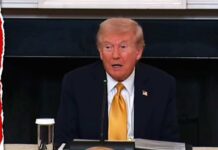
- President Trump immediately amplified the allegations on social media, demanding a federal investigation
- Minneapolis Police and Hennepin County prosecutors investigated but reported no substantive findings or criminal charges
- A temporary court ruling had made unlimited ballot collection legal during the period in question, complicating claims of illegality
- News organizations could not independently verify the central allegations, and key sources raised credibility concerns
The Allegations That Captured National Attention
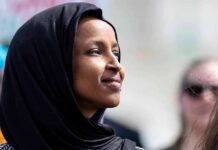
Project Veritas released a video on September 27, 2020, claiming that supporters of Representative Ilhan Omar orchestrated an illegal ballot harvesting operation targeting Minneapolis’s Somali community. The video featured Snapchat footage allegedly showing Liban Mohamed, brother of City Council candidate Jamal Osman, displaying envelopes he described as absentee ballots in his vehicle. A community activist named Omar Jamal appeared on camera making allegations about cash payments to voters, though he provided no direct evidence linking Representative Omar to any scheme.
The timing proved politically explosive. President Donald Trump seized on the allegations within hours, tweeting demands for investigation and prosecution. The story arrived during peak election season anxiety about mail-in voting, and it targeted a polarizing figure in American politics. The Somali immigrant community in Minneapolis, already subject to political scrutiny, found itself at the center of a national controversy that questioned their electoral participation and integrity.
Legal Gray Zones and Investigative Dead Ends
Minnesota law typically limits third parties to collecting three absentee ballots for other voters. Yet on July 28, 2020, a district court temporarily struck down this restriction for the primary election period, making unlimited ballot collection legal until September 4, 2020, when the Minnesota Supreme Court reinstated the limit. This created a crucial window where the alleged activities, even if they occurred as described, might not have violated state law at the time.
The Minneapolis Police Department announced it was investigating the validity of Project Veritas’s claims. The Hennepin County Attorney’s Office, responsible for prosecuting election crimes in the jurisdiction, reported receiving no information or cases involving ballot harvesting in any 2020 elections. Despite the high-profile nature of the allegations and presidential attention, no criminal charges materialized. No direct evidence emerged connecting Representative Omar to any ballot collection scheme, legal or otherwise.
Credibility Questions and Unverified Claims
Omar Jamal, the community activist who made the most inflammatory allegations in the video, launched a GoFundMe campaign seeking $500,000 shortly after the video’s release. This fundraising effort raised questions about his motivations for participating in the expose. Project Veritas itself has a controversial track record, with journalism watchdogs criticizing the organization’s investigative methods and selective editing practices. News outlets reporting on the story consistently noted they could not independently verify the central claims.
Representative Omar denied all allegations, stating there was “zero truth” to the claims and that Liban Mohamed did not work for her campaign. Jamal Osman, the City Council candidate whose brother appeared in the video, condemned any unethical campaign behavior while also criticizing what he called “continued attacks on the integrity of the East-African immigrant community in Minneapolis.” The denials from those accused, combined with the absence of corroborating evidence and formal charges, left the allegations in the realm of unsubstantiated claims.
Political Theater Versus Prosecutable Crimes
The contrast between the story’s political impact and its legal outcome reveals much about contemporary election integrity debates. The allegations generated enormous attention, presidential tweets, and law enforcement inquiries. Yet they produced no criminal cases, no indictments, and no verified evidence of illegal activity. The temporary legal status of unlimited ballot collection during the relevant period further complicated any potential prosecution, even if investigators had found evidence of ballot collection activities.
The episode highlighted tensions between legitimate concerns about election security and politically motivated allegations that target specific communities. The Somali immigrant community in Minneapolis faced collective scrutiny based on unverified claims about individual behavior. When allegations targeting vulnerable communities produce no substantive findings despite investigation, questions arise about whether the allegations served political purposes rather than justice. The absence of charges four years later suggests the sensational claims could not withstand prosecutorial scrutiny or meet evidentiary standards required for criminal cases.
Sources:
KATV: Conservative Group Says Voter Fraud is Taking Place in Minnesota
Star Tribune: Trump Seizes on Conservative Group’s Claim of Fraud in Minneapolis Election
Minnesota House of Representatives: News Release