Amid concerns over national security and privacy, the expansion of social media vetting for visa applicants under the Trump administration continues to stir debate.
Story Overview
- Trump’s administration expanded social media checks for visa applicants, not a new post-presidency initiative.
- Social media screening became a required part of visa applications, affecting millions annually.
- Security and privacy concerns surround the effectiveness and impact of these measures.
- Despite changes in leadership, the core vetting infrastructure remains largely in place.
Expansion of Social Media Vetting
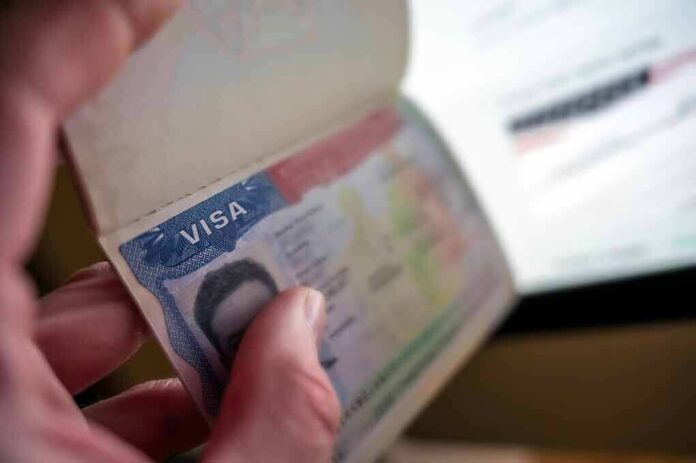
The Trump administration significantly broadened the scope of social media checks for foreign nationals seeking U.S. visas. From 2017 to 2019, these measures evolved from selective checks to a near-universal requirement. The Department of State, in particular, revised visa applications to include mandatory disclosure of social media handles from the past five years. This policy impacted approximately 14.7 million applicants annually, including tourists, and was part of broader “extreme vetting” measures aimed at enhancing national security.
While originally framed as a counterterrorism tool, the policy faced criticism for its implications on privacy and free speech. Critics argued that it could lead to self-censorship and disproportionately affect individuals from Muslim-majority and African countries. Despite these concerns, the policy was formalized, with social media identifiers included in official DS-160 and DS-260 forms, making it a standard part of the visa application process.
Policy Impacts and Criticisms
The expansion of social media vetting under the Trump administration raised significant debate among civil liberties groups and policymakers. While the policy aimed to detect potential security threats, its effectiveness was questioned due to the sheer volume of data and the potential for false positives. Civil rights organizations, including the ACLU and Brennan Center, highlighted the chilling effect on free speech and the risk of profiling.
Furthermore, the policy’s implementation posed practical challenges. Consular officers were tasked with reviewing vast amounts of online content, often relying on automated tools, which increased the risk of misinterpretation. This led to concerns about delays in visa processing and the accuracy of assessments based on social media activity.
International and Domestic Repercussions
The mandatory social media checks for visa applicants became a point of contention in the U.S. and set a precedent for other countries. Globally, several nations considered integrating digital footprints into their border control practices, potentially normalizing digital surveillance. This trend raised alarms about the future of privacy and freedom of expression worldwide.
Domestically, the policy continued to influence debates on immigration, national security, and surveillance. Despite the Biden administration’s decision to rescind the travel ban, the core social media vetting infrastructure remained intact. This decision emphasized the enduring nature of such policies once embedded in immigration systems.
Future Considerations
As digital surveillance becomes increasingly prevalent in immigration processes, questions about the balance between security and privacy persist. The ongoing litigation and advocacy efforts to challenge social media vetting underscore the need for transparency and accountability. Moving forward, policymakers must consider the implications of these measures on civil liberties and the potential for discrimination and bias.
The debate on social media vetting highlights broader concerns about the role of technology in border security. As governments worldwide grapple with these issues, the need for effective oversight and protection of individual rights becomes more critical than ever. The path forward requires a careful examination of the impact of such policies on society and the values they uphold.