New research shows your body’s wear and tear may predict dementia risk better than your birthday candles do—and unlike your birth date, you might be able to change it.
At a Glance
- People with higher biological ages than their chronological ages face up to 30% greater risk of developing dementia
- Biological age is calculated using biomarkers like lung function, blood pressure, and cholesterol levels—factors that can be influenced through lifestyle changes
- Advanced biological aging correlates with reduced gray matter volume and cortical thinning in brain regions critical for memory and cognition
- Unlike chronological age, biological age can be reduced through interventions such as improved diet, increased physical activity, and stress management
- Researchers suggest biological age assessments could revolutionize early screening and prevention strategies for dementia
The Difference Between Living Long and Aging Well
The calendar may tell us how long we’ve been alive, but our bodies keep a different kind of time. This distinction between chronological age—the number of years since birth—and biological age—how our bodily systems are actually functioning—is emerging as a critical factor in understanding dementia risk. Recent groundbreaking research suggests that the rate at which our bodies age may be a more accurate predictor of cognitive decline than simply counting birthdays.
This finding offers new hope in the battle against dementia, as biological age, unlike chronological age, can potentially be modified through lifestyle changes and medical interventions. The implications are profound: by addressing the factors that contribute to accelerated biological aging, we may be able to reduce dementia risk and preserve cognitive function longer, even as the number of candles on our birthday cakes continues to increase.
Biological age reflects the actual condition of a person’s cells and tissues based on various biomarkers, offering a more nuanced picture of how well the body is functioning compared to what would be expected for someone of a particular chronological age. These biomarkers include measurable indicators such as lung function, blood pressure, cholesterol levels, and overall metabolism—all of which can vary significantly among individuals of the same chronological age.
Someone may be 65 years old according to their birth certificate but have the biological profile of someone much younger or older, depending on genetics, lifestyle choices, and environmental factors. This distinction is crucial because it may explain why some people develop dementia at relatively young ages while others maintain cognitive sharpness well into their 90s.
The concept of biological age isn’t entirely new, but its application to dementia risk assessment represents a significant advancement in our understanding of neurological health. Earlier research had established connections between biological aging and conditions like heart disease and cancer, but the relationship with cognitive decline remained less clear.
Now, multiple studies are converging on the conclusion that advanced biological aging correlates strongly with an increased risk of developing dementia, including Alzheimer’s disease. This connection makes intuitive sense: the same physiological processes that lead to accelerated aging throughout the body—inflammation, oxidative stress, cellular damage—also affect the brain. By measuring biological age, researchers and clinicians may be able to identify at-risk individuals far earlier than traditional screening methods allow, potentially opening new windows for intervention before significant cognitive damage occurs.
An estimate of the longitudinal pace of aging from a single brain scan predicts dementia conversion, morbidity, and mortalityhttps://t.co/6URmTQobs3
— Agingdoc⭐David Barzilai🔔MD PhD MS MBA DipABLM🩺 (@agingdoc1) September 11, 2024
The Science Behind Biological Age and Dementia Risk
A landmark study published recently in JAMA Network Open has provided compelling evidence of the link between advanced biological age and increased dementia risk. Researchers analyzed data from over 350,000 participants in the UK Biobank, a large-scale biomedical database, and found that those with higher biological ages relative to their chronological ages were significantly more likely to develop dementia during the follow-up period.
The study used advanced algorithms to calculate biological age based on a comprehensive panel of biomarkers, creating a more accurate picture of each participant’s physiological state than could be determined by chronological age alone. This methodology allowed researchers to control for traditional risk factors and isolate the specific impact of accelerated biological aging on cognitive outcomes.
“With the rising impact of dementia around the world, identifying risk factors and implementing preventive measures is essential,” says Dr. Yacong Bo, the lead researcher of the study examining biological age and dementia risk.
The results were striking: participants with the oldest biological profiles were approximately 30% more likely to develop dementia compared to those whose biological and chronological ages were more closely aligned. This increased risk remained significant even after adjusting for various demographic factors and known dementia risk factors such as smoking, diabetes, and education level.
Particularly noteworthy was the finding that this relationship was consistent across different demographic groups, suggesting that biological age may be a universal risk factor that transcends other variables. The study also revealed that the association between biological age and dementia risk wasn’t simply a matter of general health decline—it appeared to specifically affect neurological function in ways that contributed directly to cognitive impairment.
How Accelerated Aging Affects Brain Structure
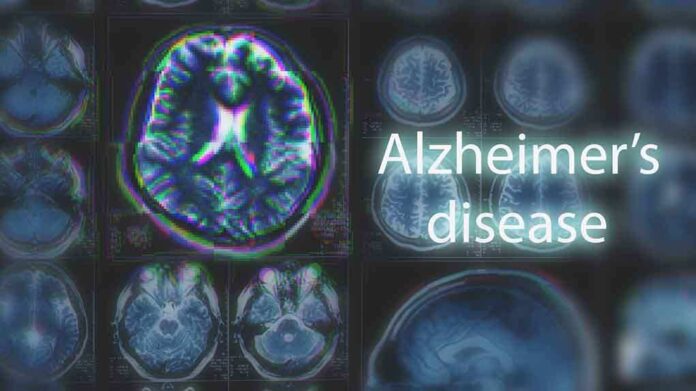
The connection between advanced biological age and dementia involves more than just statistical correlation—there are measurable physical changes in the brain that help explain this relationship. Brain imaging conducted as part of the research revealed that participants with higher biological ages showed significant reductions in gray matter volume, particularly in regions associated with memory and cognitive functions. Gray matter contains most of the brain’s neuronal cell bodies and is crucial for information processing, so this reduction represents a concerning degradation of the brain’s functional capacity. Additionally, researchers identified cortical thinning in 36 to 40 brain regions among those with advanced biological ages, another structural change commonly associated with cognitive decline and dementia.
“These brain structure changes explain some, but not all, of the association between advanced biological age and dementia,” notes Dr. Yacong Bo. “These results support the hypothesis that advanced biological age may contribute to the development of dementia by causing a widespread change in brain structures.”
The relationship between biological aging and brain health appears to be bidirectional. Accelerated biological aging can contribute to neurological changes that increase dementia risk, while certain neurological conditions may also accelerate biological aging processes. This complex interplay suggests that interventions targeting general biological aging might have specific benefits for brain health, beyond their effects on other body systems.
Furthermore, the research indicates that biological age isn’t just a marker of current health status but may actually be predictive of future neurological outcomes. This predictive capacity is particularly valuable in the context of dementia, where early intervention is considered crucial but has historically been challenging due to the difficulty of identifying at-risk individuals before symptoms appear.
Beyond Chronological Age: Measuring Biological Aging
Understanding biological age begins with measurement, and researchers have developed multiple approaches to quantify how quickly a person is aging at the physiological level. Traditional methods involve clinical biomarkers—measurable indicators that can be assessed through standard medical tests. These include blood pressure, cholesterol levels, glucose metabolism, inflammatory markers, and measures of organ function such as kidney filtration rates and lung capacity.
By combining these measurements and comparing them to expected values based on population averages, scientists can calculate a biological age score that may differ significantly from a person’s chronological age. More advanced techniques involve analyzing patterns of DNA methylation, a process that affects gene expression without changing the underlying genetic code. These “epigenetic clocks” can provide remarkably accurate estimates of biological age based on molecular changes that occur as cells age.
Recent technological advances have made biological age assessment more accessible. Some researchers have developed algorithms that can estimate biological age using data from wearable devices that track metrics like heart rate variability, sleep patterns, and physical activity levels. These methods, while less precise than clinical or epigenetic measurements, offer the advantage of continuous monitoring and may help individuals track changes in their biological age over time.
Additionally, some companies have created online tools that estimate biological age based on questionnaires about lifestyle factors, health history, and basic biometrics. While these simplified approaches lack the precision of laboratory tests, they can provide useful approximations and help raise awareness about the concept of biological versus chronological aging.
“The research demonstrates that an advanced biological age, which can be influenced by factors like blood pressure, cholesterol, lung function, and overall metabolism, correlates with an increased risk of developing dementia. As a physician, this reinforces the critical importance of preventive healthcare strategies, adherence to medical treatments, and may be another motivating factor for people to attend to health maintenance in later life,” explains Rehan Aziz, MD.
Regardless of the measurement method, the goal is the same: to quantify the gap between chronological and biological age and identify individuals whose bodies are aging faster than expected. This information can then be used to guide interventions aimed at slowing biological aging processes. In the context of dementia risk, biological age assessment could potentially become an important screening tool, allowing healthcare providers to identify patients who might benefit from more intensive preventive measures or closer monitoring for early signs of cognitive decline. The growing availability of biological age testing, coupled with increasing scientific understanding of its significance, may represent a significant advancement in personalized risk assessment for age-related diseases including dementia.
Turning Back the Clock: Can We Reduce Biological Age?
Perhaps the most encouraging aspect of the biological age paradigm is that, unlike chronological age, biological age may be modifiable. A growing body of research suggests that lifestyle interventions can potentially slow or even reverse aspects of biological aging, offering a pathway to reducing dementia risk that doesn’t exist when considering chronological age alone. Diet plays a significant role in biological aging, with multiple studies suggesting that Mediterranean, DASH, and plant-based eating patterns may slow aging processes.
These diets, rich in fruits, vegetables, whole grains, healthy fats, and lean proteins, appear to reduce inflammation and oxidative stress—two key drivers of accelerated aging. Regular physical activity has similarly been shown to improve biological age markers, with both aerobic exercise and strength training offering benefits for cellular health, metabolism, and inflammation levels.
“While none of us can change our chronological age, we can influence our biological age through lifestyle factors such as diet and exercise,” states Dr. Yacong Bo, highlighting the potentially modifiable nature of biological aging.
Beyond diet and exercise, several other lifestyle factors appear to influence biological aging rates. Stress management practices such as meditation, yoga, and adequate sleep quality have been associated with slower biological aging in multiple studies. Avoiding tobacco, limiting alcohol consumption, and reducing exposure to environmental toxins may also help maintain a younger biological age. Some research suggests that maintaining strong social connections and a sense of purpose might slow biological aging processes, though the mechanisms behind these effects are still being investigated. Additionally, emerging evidence indicates that certain medications and supplements, including metformin, rapamycin, and some antioxidants, might beneficially affect biological aging markers, though more research is needed before specific anti-aging regimens can be confidently recommended.
Limitations and Future Directions
While the research connecting biological age to dementia risk is promising, several important limitations must be acknowledged. Most studies in this field, including the UK Biobank research, are observational in nature, meaning they can identify associations but cannot definitively establish causation. It remains possible that some unknown factor influences both biological aging and dementia risk, rather than one directly causing the other.
Additionally, the participants in many of these studies tend to be more health-conscious and have better access to healthcare than the general population, potentially limiting the generalizability of the findings. The field also faces methodological challenges, as different research teams use varying approaches to calculate biological age, making direct comparisons between studies difficult.
Despite these limitations, the research on biological age and dementia represents an exciting frontier in neurological health. Future studies are likely to focus on several key areas: developing standardized, clinically applicable methods for biological age assessment; conducting longitudinal research to better understand how changes in biological age over time affect dementia risk; investigating whether interventions specifically targeting biological aging can reduce dementia incidence; and exploring potential biological age-based therapeutics. As research progresses, biological age assessment may eventually become a routine part of health screenings, allowing for more personalized risk assessment and prevention strategies for dementia and other age-related conditions.
The concept of biological age offers a new lens through which to view the relationship between aging and cognitive health. By shifting focus from the immutable chronological age to the potentially modifiable biological age, researchers and clinicians may have found a valuable new approach to dementia prevention. For individuals concerned about brain health as they age, the message is empowering: through lifestyle choices that promote healthy biological aging, it may be possible to reduce dementia risk regardless of chronological age. While much research remains to be done, the emerging evidence suggests that how old we are biologically may matter more for brain health than how many birthdays we’ve celebrated—and that’s a finding with profound implications for how we approach aging and cognitive health.