Ten drinks, a blood alcohol level more than twice the legal limit, and a wrong-way sprint up Route 1 ended with two men dead and a brutal reminder that drunk driving is not a victimless “mistake” but a chain of choices that start hours before the crash.
Story Snapshot
- Report says Hernan Marrero had 10 alcoholic drinks before the deadly wrong-way crash that killed him and Massachusetts State Trooper Kevin Trainor.
- Toxicology found Marrero’s blood alcohol concentration was 0.192, over twice the legal driving limit of 0.08.
- Officials say he drove nearly 2 miles south in the northbound lane after misjudging a Route 1 jughandle.
- National and Massachusetts data show alcohol impairment drives most fatal wrong-way crashes, especially after midnight.
A night of drinking that turned into a fatal wrong-way drive
Prosecutors say the story started hours before the impact, not at the red and blue lights on Route 1. Their report traces Hernan Marrero’s night from a single drink in Waltham to nine more at Tribu Mexican Kitchen and Bar in Saugus between 9:20 p.m. and 12:53 a.m. Ten drinks over a few hours is not social sipping. That is enough alcohol to push most adults deep into impairment, even without any other drugs on board.
A new report from the Essex DA’s Office offers a more detailed look at the timeline of what led up to a fatal crash that killed Trooper Kevin Trainor and wrong-way driver Hernan Marrero. https://t.co/j2XMtwoozJ
— Boston Herald (@bostonherald) July 15, 2026
After leaving the Saugus restaurant, officials say Marrero headed north on Route 1 for roughly 2.3 miles. Just after 1 a.m., he entered the Peabody “jughandle,” a side ramp meant to let drivers safely turn around and head south. Signs clearly tell motorists not to enter Route 1 north from that ramp. According to the report, traffic camera footage shows his Jeep grazing a guardrail, running a red light, then turning too sharply and reentering the northbound lane while still heading south.
The moment of impact and what toxicology shows
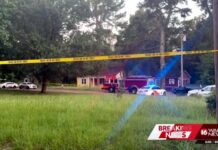
From that point, investigators say Marrero drove about 1.8 miles the wrong way, southbound in the northbound lanes. Trooper Kevin Trainor was in his marked cruiser, coming north. His vehicle was the first to meet the Jeep. The collision was head-on and fatal to both men. Toxicology testing found Marrero’s blood alcohol concentration was 0.192, with antidepressant medication bupropion and its metabolite also present. A level of 0.192 is not borderline drunk; it is heavy intoxication.
For most drivers in the United States, the legal limit is 0.08 blood alcohol concentration. At 0.192, a driver’s reaction time, judgment, and coordination are badly damaged. Wrong-way entry, missed signs, and failure to hold lane are classic signs of drunk driving. This blood level fits the video record: grazing barriers, ignoring a red light, and then driving almost two miles into oncoming traffic. There is no public report of any defense expert contesting the blood test based on timing, chain of custody, or lab method.
How this case fits the larger wrong-way crash problem
Some readers might ask if the jughandle design or signs share blame. Road design matters. But drunk driving has a clear record as the main driver of wrong-way carnage. A special report from the National Transportation Safety Board found that more than half, and possibly three quarters, of wrong-way drivers in fatal crashes are alcohol impaired. About 60 percent of deadly wrong-way collisions involve drivers over the legal limit.
Research on wrong-way driving shows most of these crashes hit on weekends between midnight and 5 a.m., when impaired driving peaks. In Massachusetts, local law firms and safety groups say driving under the influence is the leading cause of wrong-way crashes, involved in about 60 percent of cases. That pattern matches this crash almost perfectly: late-night hours, weekend traffic, a driver with a blood alcohol concentration more than double the legal limit, and a wrong-way run that ends in a head-on impact.
Accountability, victims, and hard questions about enforcement
From a conservative, common-sense lens, this case is not about abstract traffic theory. It is about responsibility. The report describes a grown man who chose to drink ten alcoholic beverages, then chose to drive. Every one of those choices happened long before Trooper Trainor saw headlights coming at him. In that framework, the drunk driver is not unlucky. He is accountable, even if he did not live to see a judge.
Essex County DA Paul Tucker has released a summary statement on investigation into fatal crash on Rt. 1 in Lynnfield of 5/6/26 which resulted in the death of @MassStatePolice Trooper Kevin Trainor, 30, of Georgetown, and Hernan Marrero, 50, of Roslindale.https://t.co/TZJxoqSKMu
— Essex County District Attorney Paul Tucker (@EssexCountyDA) July 15, 2026
Yet the story also raises questions about everyone else in the chain. Massachusetts civil law can hold bars liable when they overserve a clearly impaired patron who later causes a crash. Ten drinks in one night sits in that gray zone. Did staff notice his condition? Did anyone try to stop him from driving? Courts often demand proof that the customer was visibly drunk, but the toxicology and the timeline will push many observers to wonder if common sense failed here too.
Wrong-way deaths, policy gaps, and what comes next
Massachusetts has seen a surge in deadly wrong-way crashes, rising at about double the national rate. State leaders now talk about better “wrong way” and “do not enter” signs, brighter lighting, and clearer arrows at ramps. Those steps matter, but they attack symptoms, not the core sickness: drivers who treat the wheel like a bar stool. Data from Massachusetts shows more than one in five hospitalized drivers in crash records were under the influence of alcohol or drugs.
Policy debates often focus on new technology or pavement markings. A conservative, personal-responsibility view points somewhere simpler. It says drunk adults must stop driving. Bars must stop serving when people cross the line from buzzed to dangerous. Prosecutors must press hard when lives are lost. In the Route 1 crash, Trooper Kevin Trainor did his duty and paid with his life. The report on Hernan Marrero’s final hours is blunt: this was not an accident in the random sense. It was the end of a long, avoidable series of choices.
Sources:
nypost.com, wcvb.com, my.clevelandclinic.org, ummhealth.org, calculator.net, law.justia.com, lawmagazine.bc.edu, warroom.armywarcollege.edu, usni.org, bostonglobe.com, fiorentinolegal.com, callpeck.com, mahaneypappaslaw.com, aaafoundation.org
© patriotnewsdaily.com 2026. All rights reserved.