Six children sat sweating in a parked car outside a Kansas Wingstop while, police say, their parents stayed inside to eat in near 100-degree heat.
Story Snapshot
- Police say Michael and Tiffany Krueger left six children in a hot car while they dined at a Wingstop.
- Officers report the kids, including two infants, were inside about 20–30 minutes with almost no ventilation.
- Both parents now face six felony counts of aggravated child endangerment under Kansas law.
- The case highlights how fast cars turn deadly in heat and how prosecutors handle these incidents.
Police say six children were left in a hot car while parents ate wings
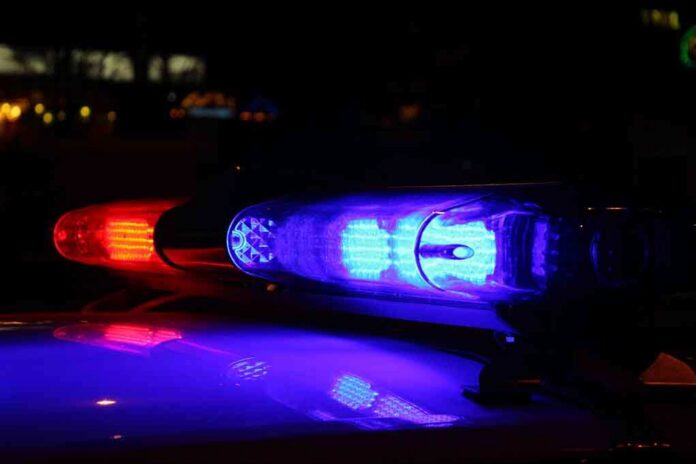
Salina police say they found six children locked in a parked car outside a Wingstop restaurant while their parents, Michael Krueger, 53, and Tiffany Krueger, 40, were inside eating. Officers say it was about 97 degrees outside when they were called to the restaurant. They report the children had been in the vehicle for 20 to 30 minutes, with only one window slightly down and no air conditioning running. The situation, they say, could have turned tragic in minutes.
Kansas parents allegedly left 6 kids, including 2 infants, in hot car while they dined at a Wingstop https://t.co/NPNF6ytgh8 If THEIR medias reported all of their atrocities, whites would be lower than bat dung. But white folk only tell of other races evils and never their own.
— everybody don't like cats (@EverybodyD59983) July 13, 2026
Police and local reports say the six children ranged from infants to a young teen. Two were only seven months old. Another child was about 13 years old, which triggered online debate over whether that teen could have opened the doors and walked away. But under Kansas law, officers focus on the parents’ choice to leave minors in a dangerous situation, not on whether an older child might have found a way out.
Kansas law treats aggravated child endangerment as a serious felony
Kansas law says a person commits child endangerment when they knowingly and unreasonably place a child under 18 where that child’s life, body, or health may be in danger. It becomes aggravated child endangerment when someone recklessly causes or allows that danger to exist. The statute makes aggravated child endangerment a “severity level 9” person felony, and it must be served consecutively to other prison terms. That means each count can stack, one after another, if a judge chooses.
According to local reporting, Salina police booked Michael and Tiffany Krueger on six counts of aggravated child endangerment, one for each child. For many readers, that might feel harsh when no child died. But this is exactly how lawmakers intend the law to work. It is designed to step in before a child dies from heatstroke or suffers brain damage, not after. From a conservative, common-sense view, waiting for a tragedy before acting would be the real injustice.
Why hot cars are so dangerous, especially for infants
Safety experts say a parked car can turn into an oven in minutes, even with a cracked window. Research on hot car deaths shows vehicle interiors can spike by 20 degrees in just 10 minutes, and much more if the car sits longer. National data shows an average of about 37 children under age 15 die every year from hot car heatstroke. In 2024 alone, 39 children died after being left or trapped in vehicles, according to national safety statistics.
Kansas Parents Arrested After Leaving Six Kids, Including Two 7-Months Locked in Hot Car—Police Say ‘Temperature Can Reach Deadly…’ https://t.co/1MP3vqplAM
— The Inquisitr (@theinquisitr) July 13, 2026
Most of these deaths happen when caregivers forget a child is in the car, not when they intentionally walk away to shop or eat. Federal traffic safety data says about 52 percent of deaths begin with a caregiver simply forgetting a child is there. Only a smaller share involve someone knowingly leaving a child to run errands. That is why this Kansas case stands out. Police and prosecutors do not claim this was confusion. They say the parents made a deliberate choice to leave six kids outside in the heat.
How this case fits into national patterns and public reaction
Across the country, prosecutors handle hot car cases very differently. Some parents face manslaughter when a child dies. Others, often in clear “forgotten baby” tragedies, see no charges at all or only civil fallout. Legal experts note that intent and pattern matter. Leaving a child once by mistake is treated differently than choosing to leave multiple children while going inside a restaurant. The Krueger case falls into the second category: alleged knowing endangerment with six vulnerable children at once.
Social media reaction has been sharp. Many commenters ask how anyone could leave two seven-month-old babies in a baking car to eat wings. Others point out the presence of a 13-year-old and argue the teen might shoulder some responsibility. But the law is clear: adults are responsible for protecting children, especially infants who cannot move, speak up, or escape. A teenager stuck in a sweltering car may be scared, loyal to parents, or simply afraid to cause trouble, which weakens that argument.
What comes next for the parents and the children
For now, the facts are straightforward and widely agreed on: police say both parents left six children in a hot car for up to half an hour while they ate inside, during near triple-digit heat. No reports so far say any child suffered lasting injury, which will matter when courts consider sentence length. But Kansas law allows judges to stack felony counts, so the legal risk is real. At the same time, child welfare agencies will likely decide whether the children can safely remain in the home.
From a conservative standpoint that values both parental rights and personal responsibility, this case is a warning. Freedom in family life does not remove accountability when kids are put in clear danger. Most parents reading this would never leave a child in a parked car during a heat wave, much less two infants and four other minors. That gap between common sense and the alleged choices here is exactly why many support strong enforcement in cases like this.
Sources:
kwch.com, foxkansas.com, ktre.com, reddit.com, law.justia.com, sessionize.com, case-law.vlex.com, criminallawyer-chicago.com, johndaylegal.com, spectrumlocalnews.com, pmc.ncbi.nlm.nih.gov, injuryfacts.nsc.org, nhtsa.gov, facebook.com
© patriotnewsdaily.com 2026. All rights reserved.