What if the future of U.S. border security no longer sniffs but scans?
At a Glance
- VaporID, a new air scanner, could replace drug-sniffing dogs at U.S. borders.
- The device offers rapid, non-intrusive narcotics detection.
- Potential job impacts for K9 handlers as technology advances.
- Privacy and civil liberties concerns may rise with increased automation.
A New Era in Border Security
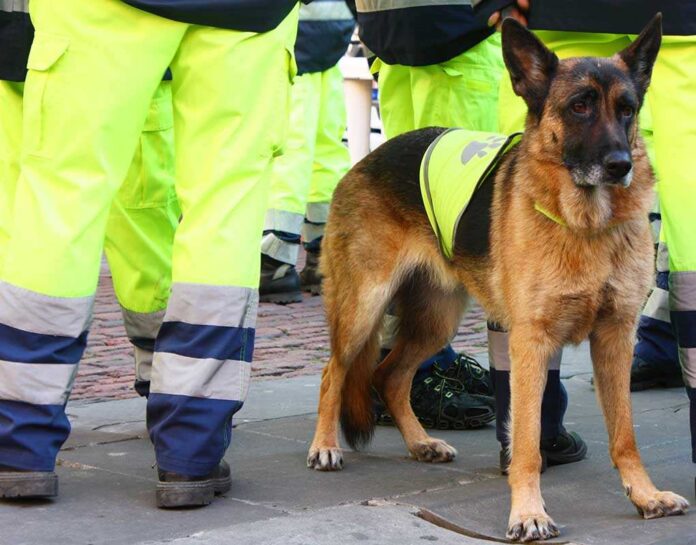
Drug-sniffing dogs have been the unsung heroes of border security for decades, their noses sniffing out trouble with a wag of the tail. Enter VaporID, a microwave-sized device that promises to revolutionize how U.S. Customs and Border Protection (CBP) keeps contraband at bay. Unlike our furry friends, this gadget detects trace amounts of narcotics in the air, offering a non-intrusive, rapid solution to border screening. But, what does this mean for the traditional canine units?
CBP is no stranger to innovation, having expanded the use of surveillance towers, drones, and autonomous systems over recent years. VaporID is the latest player in the technological lineup. As border security technology evolves, the question remains whether this device will supplement or replace the loyal K9 teams that have served so diligently.
Stakeholders and Their Stakes
The introduction of VaporID brings a mix of excitement and concern among various stakeholders. CBP leads the charge, motivated by the promise of enhanced efficiency and security. The U.S. Border Patrol, the frontline users, are eager to test its effectiveness. Meanwhile, technology vendors, including the developers of VaporID, are vying for lucrative government contracts, eager to showcase their innovation.
On the flip side, K9 handlers face potential job displacement. Although technology promises efficiency, these handlers and their canine partners offer adaptability and a proven track record, making the transition a nuanced affair. Congress and civil liberties organizations are closely watching, balancing the scales of safety, economic impact, and privacy.
Current Developments and Challenges
VaporID is currently under evaluation, with deployment figures yet to be disclosed. CBP’s commitment to modernizing its technology is clear, with significant budget allocations for surveillance and detection upgrades in 2023 and 2024. Looking ahead, the possibility of VaporID being used routinely at border crossings is strong, marking a significant shift in operational strategy.
This transition is not without its challenges. The shift from traditional to technological methods raises concerns over privacy and civil liberties. While automation may streamline processes, it also introduces new forms of surveillance that may prompt scrutiny from advocacy groups. Balancing efficiency and rights will be key to successful implementation.
Looking to the Horizon
In the short term, VaporID could significantly enhance operational efficiency, cutting down wait times and increasing throughput at border crossings. However, the impact on the workforce, especially K9 units, cannot be ignored. In the long run, the technology promises cost savings, improved detection accuracy, and a potential shift in public perception of border security.
Economic implications are also noteworthy. Increased efficiency could facilitate trade, benefiting businesses and border communities. Yet, the social impact of job displacement and heightened surveillance may stir public debate. Politically, the adoption of such technology could become a focal point in discussions about border security policy and civil liberties.
Sources:
Electronic Frontier Foundation
DHS Inspection and Detection Technology Report