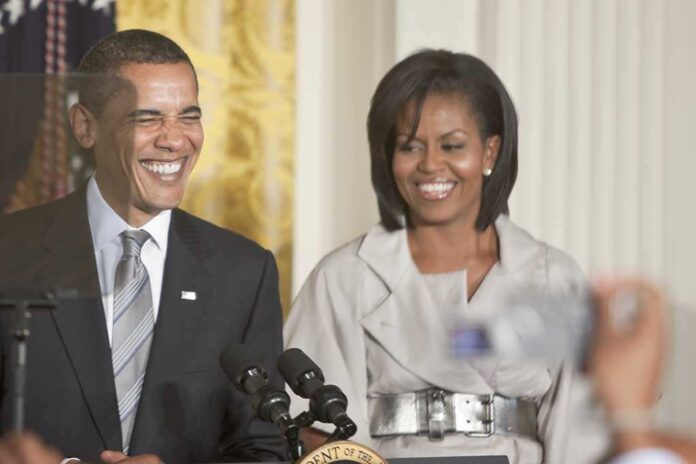
Former President Barack Obama labeled the assassination a “threat to all of us,” underscoring the universal danger of such acts.
Story Highlights
- Charlie Kirk’s assassination condemned across political lines, sparking widespread debate.
- Barack Obama emphasizes the threat to democracy, urging unity.
- Trump administration officials blame Obama for political division.
- Ongoing discussions on the implications of political violence on American democracy.
Charlie Kirk: A Catalyst for Debate
The assassination catalyzed a national debate on political violence and its implications for democracy. Kirk, known for his influence in conservative circles, was a controversial figure often at the forefront of political discussions. His death has been condemned by leaders across the political spectrum, emphasizing the urgent need for unity and civil discourse in a time of heightened tension.
Former President Barack Obama labeled the assassination a “threat to all of us,” underscoring the universal danger of such acts. His statement has become a focal point in discussions, emphasizing the necessity of reducing inflammatory rhetoric. Meanwhile, the Trump administration’s response has been to cast blame on Obama for contributing to political division. The ongoing exchange highlights the deep partisan divides that continue to influence American political discourse.
Political Leaders and Public Reaction
Following the assassination, public figures and political leaders have issued statements denouncing the violence. Obama, speaking in Erie, Pennsylvania, called for a return to civil debate and warned against the normalization of political violence. In contrast, Trump aides have accused Obama of being the architect of modern political division. These conflicting narratives illustrate the challenges of fostering unity in a politically polarized environment.
The conservative community, including Kirk’s organization Turning Point USA, has mourned his loss while rallying for justice and mobilizing supporters. The assassination has also prompted a review of security protocols for public figures, as concerns over their safety grow amidst rising tensions.
Implications for American Democracy
The assassination of Charlie Kirk has significant short-term and long-term implications for American democracy. In the immediate aftermath, there is an increased focus on the security of public figures and the need for comprehensive discussions on political violence. Leaders from both parties have echoed calls for unity, yet the challenge remains in bridging the partisan divide and fostering a culture of civil discourse.
‘No Ifs, Ands Or Buts’: Obama Calls Charlie Kirk Assassination ‘Horrific And A Tragedy’ https://t.co/xn29mfFFjr
— IJR (@TheIJR) September 17, 2025
In the long term, this event could lead to policy changes concerning political speech and security measures. The broader impact on political culture and public trust will depend on how effectively leaders can navigate these challenges and promote a more inclusive dialogue. As the nation grapples with these issues, the role of media and advocacy groups will be crucial in shaping public perception and promoting constructive engagement.
Sources:
GoErie (local reporting, Obama’s remarks)
Star Tribune (national context, bipartisan reactions)
ABC News (event summary, expert commentary