Minnesota’s new law forcing social media giants to slap mental health warnings on every user is a bold government intrusion that has Big Tech and free speech advocates fuming—and it’s just a taste of the regulatory onslaught likely coming for your rights online.
At a Glance
- Minnesota will require persistent pop-up mental health warnings on social media platforms starting July 2026.
- Supporters claim the law will protect youth, but tech companies and legal experts warn it tramples on constitutional rights.
- No other state has yet forced such on-screen warnings, making Minnesota the first to test this regulatory experiment.
- The law faces likely court challenges over First Amendment violations and operational overreach.
Minnesota Mandates Mental Health Warnings on Social Media: First-of-Its-Kind
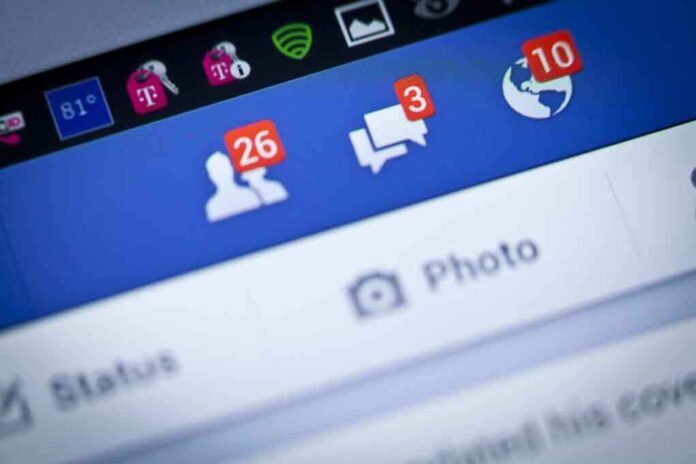
Legislators in Minnesota have charged headlong into uncharted territory, passing a law that compels every social media platform—think Facebook, X, Instagram, TikTok—to hit users with pop-up mental health warnings every single time they log in. This law isn’t just another half-baked “awareness” campaign. It’s a direct order: show the warning, keep it on screen until the user acknowledges it, and don’t clutter it with any other information. The supposed goal? To safeguard kids and teens from the dangers of social media addiction, anxiety, and depression.
Beginning next summer, Minnesotans scrolling social media sites will get a pop up warning. Before they can proceed to photos, articles or posts, they’ll have to click through the warning, acknowledging the site could pose a hazard to their mental health.https://t.co/XIlfCQmlHd
— NAMI Minnesota (@NAMIMinnesota) July 14, 2025
Supporters of the law tout it as a landmark step for mental health. They claim that these pop-up warnings will prompt young people to “think twice” before scrolling. Meanwhile, Big Tech is gearing up for a legal slugfest, arguing that the law is not only burdensome but is likely unconstitutional—a classic example of compelled speech that tramples the First Amendment. Even legal scholars, some hardly known for championing conservative causes, acknowledge that this law is ripe for a showdown in court, where its fate will hang on how judges interpret the government’s power to dictate speech in the name of public health.
The Road to Minnesota’s Mandate: How We Got Here and Who’s Pulling the Strings
The push for this law came after years of mounting drumbeats in the media and among advocacy groups, blaming social media for every mental health woe facing America’s youth since the late 2010s. Lawmakers, always eager to “do something,” seized on these fears to draft legislation that’s as unprecedented as it is intrusive. Minnesota’s law assigns the state’s Commissioner of Health the job of crafting the exact text and format for these warnings—by March 2026—giving unelected bureaucrats even more say over what private businesses display to their users. The law kicks in July 1, 2026, unless a judge pulls the plug first.
This is the first time any state has gone this far—mandating on-screen, persistent warnings about social media’s alleged mental health risks. California and others have toyed with privacy and data-collection rules for minors, but none have tried this kind of constant government messaging.
Resistance and Legal Showdown: Free Speech on Trial
Tech companies aren’t taking this lying down. Major players have already blasted the law as heavy-handed and a surefire First Amendment violation. William McGeveran, dean of the University of Minnesota Law School, points out that similar efforts have been struck down in the past. If Minnesota’s law survives the courts, it could unleash a wave of copycat bills in other states.
Sources:
Eye on Privacy: Minnesota May Be First to Require Social Media Warning Label
CBS News Minnesota: Minnesota Law Children Content Creators Monetized Videos Guards
Minnesota Statutes: Official Statutory Language and Effective Dates
BillTrack50: Legislative Tracking and Summary