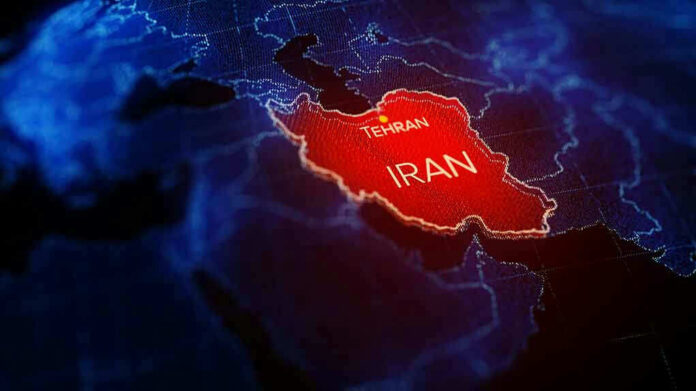
The Islamic Republic of Iran’s alleged plot to kidnap a Belgian lawmaker has sparked growing concerns about Tehran’s extraterritorial threats in the West.
Story Snapshot
- Iran allegedly targeted Belgian lawmaker Darya Safai for kidnapping.
- Western governments warn of increasing Iranian intelligence threats.
- Reports of Iranian state-backed plots against dissidents are rising.
- Western countries face diplomatic tensions over these security threats.
Iran’s Extraterritorial Ambitions
The recent warning to Darya Safai, a Belgian lawmaker of Iranian origin, underscores the alarming trend of Iranian state-sponsored plots targeting dissidents abroad. Belgian police informed Safai of an alleged plot by the Islamic Republic of Iran to kidnap her and take her to Iran. This incident is not isolated but part of a growing pattern, raising serious concerns among Western governments, including the United States and its allies. These governments are increasingly vocal about Tehran’s aggressive extraterritorial operations that threaten security in the West.
Historically, Iran’s use of extraterritorial operations dates back to the post-1979 Islamic Revolution period, targeting dissidents through assassinations and abductions. Notable incidents include the Mykonos restaurant assassinations in Berlin in 1992 and the foiled 2018 bomb plot against an Iranian opposition rally in France. These operations are often orchestrated by Iran’s Ministry of Intelligence and the Islamic Revolutionary Guard Corps (IRGC), reflecting the regime’s determination to silence critics and project power internationally.
Rising Diplomatic Concerns
Western governments are increasingly alarmed by Iran’s extraterritorial operations. In 2025, warnings about Iranian threats intensified, with the US, UK, and other European allies issuing coordinated alerts. The danger to individuals like Safai, who hold political influence or media presence, exemplifies Iran’s strategy of targeting diaspora critics. The public disclosure of these threats has prompted Western countries to enhance security measures for Iranian-origin lawmakers and activists across Europe.
Diplomatic tensions are escalating as Western governments seek to counter Iran’s activities. The potential for new sanctions and retaliatory measures against Iranian diplomats is being considered. These developments highlight the broader implications for international relations, as well as the need for coordinated security responses to protect residents and uphold the rule of law.
Impact on Iranian Diaspora and Western Relations
The implications of Iran’s extraterritorial threats are significant for both short-term and long-term perspectives. In the short term, heightened security measures for Iranian-origin politicians and activists are essential to mitigate risks. Diplomatic tensions are likely to increase, potentially leading to more stringent visa and diplomatic protocols. Long-term, the erosion of trust between Iran and Western countries could affect economic, social, and political relations.
https://www.euronews.com/2025/08/01/us-uk-france-and-other-western-allies-warn-of-growing-iranian-intelligence-threats
The Iranian diaspora, especially those advocating for human rights and political change, faces heightened risks. The chilling effect on free expression and political participation among diaspora communities is a growing concern. Analysts warn that increased Western pressure on Iran might provoke further escalation, while others advocate for coordinated international sanctions and legal action to deter future plots. As these developments unfold, the need for robust counterintelligence and protective services becomes increasingly evident.
Sources:
Wikipedia – Nuclear program of Iran
BASIC – US and Israeli strikes on Iran: A timeline of Iran’s nuclear programme
Arms Control Association – Timeline of Nuclear Diplomacy With Iran, 1967-2023
Iran Watch – A History of Iran’s Nuclear Program