In the wake of Joe Biden’s humiliating collapse and Kamala Harris’s snarling response to questions about his fitness, Americans are left asking: how did the party that claims to “save democracy” end up steamrolling its own voters and elevating Harris without a single primary vote?
At a Glance
- Kamala Harris became the Democratic nominee after Biden’s withdrawal, bypassing the primary process entirely.
- Democratic Party leaders scrambled to project unity while suppressing internal dissent, fueling grassroots frustration and accusations of backroom dealing.
- Harris’s campaign, the shortest in modern history, failed to overcome the chaos, paving the way for Trump’s 2024 victory.
- The fallout has exposed bitter divisions within the Democratic Party and left Harris’s own political future in limbo.
Democratic Chaos: Biden’s Collapse and Harris’s Coronation
President Joe Biden’s disastrous debate performance in mid-2024 set off an earthquake inside the Democratic Party. Party elders, donors, and even Democratic governors started whispering what everyone else had already been yelling at the TV for years: the man is well past his sell-by date. The spectacle of Biden stumbling and fumbling through basic questions wasn’t just embarrassing—it was the straw that broke the camel’s back. Suddenly, the party that spent years gaslighting America about Biden’s “vigor” went into panic mode, with top brass desperately trying to keep a lid on a crisis boiling over in public.
Kamala Harris, ever the loyal vice president, didn’t take kindly to the suggestion that the party might need a new plan. Reports say she demanded unity from Democratic governors in a closed-door meeting, reportedly snarling that the stakes were too high for division. Of course, when your entire plan depends on keeping the public from noticing the man at the top can’t finish a sentence, unity starts to look a lot like denial.
Party “Unity” or Elite Takeover?
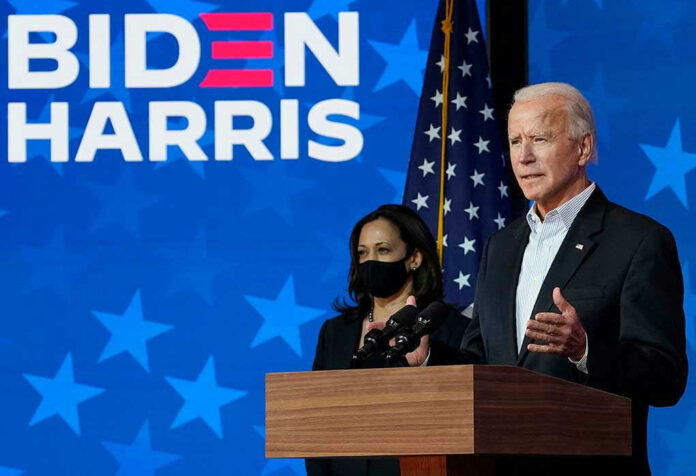
What passed for “unity” in Democratic circles was, in reality, a top-down coronation. After Biden finally suspended his campaign on July 21, 2024, Harris received the full-throated endorsement of party bosses, the Congressional Black Caucus, and past presidents Obama, Clinton, and Carter. The party held a lightning-fast virtual roll call, handing her the nomination with just 107 days left before the general election. Not a single primary voter had a say. If you thought the Democratic Party was supposed to be the party of the people, 2024 was a rude awakening. Grassroots activists and regular voters were left watching from the sidelines as the elites made their pick behind closed doors.
Small-dollar donors rushed in to fill Harris’s campaign coffers, but money can’t buy enthusiasm—or legitimacy. The new nominee was now saddled with the task of patching together a fractured party, while Trump’s campaign made hay out of the chaos. Meanwhile, Democratic voters who had been told for months that everything was fine were now expected to fall in line behind Harris, no questions asked. So much for transparency. So much for democracy.
Aftermath: Defeat, Division, and the Road Ahead
Despite all the talk of “saving democracy,” the Harris campaign was defined by its desperate attempts to hold the party together with duct tape and hope. The result was predictable: Trump cruised to victory in November 2024, capitalizing on the Democratic infighting and the sense that the party had lost touch with reality. Harris conceded, then quickly pivoted to blaming Trump’s economic policies and hinting at her own ambitions for the future—maybe a run for California governor or even another shot at the White House in 2028. Because in modern politics, failure is never final. There’s always another campaign to launch, another crisis to mismanage, another talking point to spin.
As of mid-2025, Harris remains a prominent figure, still working the back rooms and floating her next move. But the damage to the Democratic Party is lasting. The spectacle of party elites ignoring the will of the voters in favor of backroom deals has left a sour taste with many Americans—on both sides of the aisle. The party’s fundraising machine survived, but its soul is another question entirely. And as the dust settles, the lesson is clear: you can’t keep gaslighting voters forever. Eventually, reality bites back.