Green Day’s latest onstage anti-Trump spectacle—this time featuring an “IDIOT” mask and a July 4th crowd-pleaser aimed at the “MAGA agenda”—has left millions of Americans wondering: when did punk rock “rebellion” morph into parroting the loudest talking points of the corporate media establishment?
At a Glance
- Green Day ignited controversy with an anti-Trump protest during their July 4th concert, drawing both applause and outrage.
- The band’s lead singer Billie Joe Armstrong wielded a Trump mask labeled “IDIOT,” targeting the MAGA movement amid a polarized political climate.
- Conservative critics argue Green Day’s activism has devolved into establishment pandering, contradicting their original anti-authoritarian ethos.
- Public and media reactions underscore the deepening divide over free speech, protest, and the role of celebrities in American politics.
Green Day Trades Punk Rebellion for Establishment Rhetoric
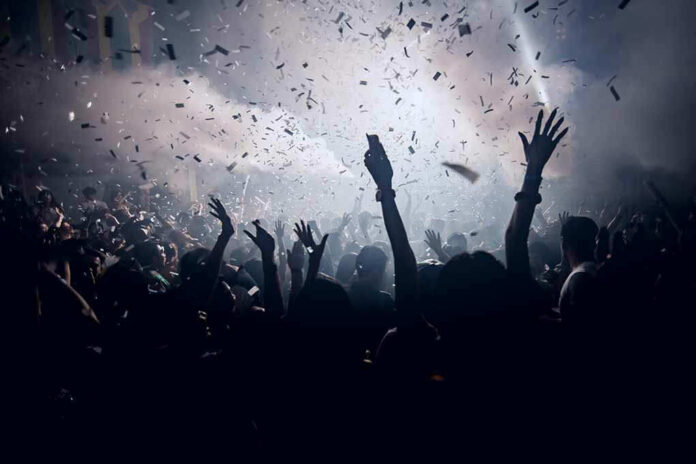
Green Day made headlines over the Independence Day holiday, not for a new album or musical innovation, but for yet another political stunt targeting Donald Trump. During their July 4th performance, lead singer Billie Joe Armstrong brandished a Trump mask emblazoned with the word “IDIOT” and tweaked the lyrics of their signature song “American Idiot” to target the “MAGA agenda.” This came just days after a highly publicized assassination attempt on Trump, amplifying the shock value and controversy of the act in an already supercharged political climate. Rather than fostering unity or dialogue, the band’s move seemed tailor-made to provoke outrage—and it succeeded.
Longtime fans and political commentators immediately pounced. Some praised Green Day’s “courage” in standing up to Trump and his supporters, but a substantial segment of the audience saw something else entirely: a band that once railed against the system now parroting the very establishment they once claimed to despise. Social media lit up with accusations of Green Day “selling out” and abandoning their punk roots for the applause of cable news anchors and social media blue checks. Even figures like Elon Musk couldn’t resist the irony, quipping that Green Day had gone from “raging against the machine to milquetoastedly raging for it.” The spectacle cemented a strange reality: in 2024, anti-Trump sentiment has become less a rebellious act and more a badge of mainstream acceptability among coastal elites and entertainment insiders.
A Legacy of Protest or Performative Activism?
Green Day’s defenders argue that their activism is nothing new. Since the Bush era, the band has positioned itself as a voice of dissent, with their 2004 album “American Idiot” serving as a protest against the Iraq War and what they saw as media manipulation and government propaganda. But conservative critics point out that “protest” loses its punch when it’s indistinguishable from the opinions of every other late-night host, corporate news anchor, and Twitter influencer. When punk bands become mouthpieces for establishment narratives, they risk alienating the very fans who once flocked to them for their anti-authoritarian message.
The July 4th incident wasn’t even the first time Green Day has used national TV to air their political grievances. Late last year, Armstrong altered lyrics during a New Year’s Eve broadcast to take a swipe at Trump and the MAGA movement. Each time, the backlash grows louder—and not just from the usual conservative voices. Many lifelong fans say they’re tired of being lectured at concerts, pining for the days when punk music meant rebellion against all forms of power, not just the ones frowned upon by the mainstream media.
Blowback, Division, and the New Rules of Protest
The aftermath of Green Day’s latest stunt was as predictable as it was telling. Left-leaning pundits and entertainment journalists rushed to defend the band, framing their actions as a brave stand for free speech and democracy. Meanwhile, conservative commentators and ordinary Americans saw something very different: a band exploiting a national holiday to stoke division, all while aligning themselves with the most powerful institutions in the country. The irony, of course, is almost too rich to ignore—Green Day, the anti-establishment heroes of yesteryear, now cheered on by the same cultural gatekeepers they used to mock.
This episode reveals a deeper truth about the state of American culture. The lines between protest and performance have blurred, and the price of admission to the national conversation is often paid in outrage rather than substance. While Green Day’s actions may energize their most loyal followers, they risk further alienating a public already exhausted by celebrity grandstanding and political polarization. As the 2024 election looms, one thing is clear: the battle over who gets to define rebellion, patriotism, and dissent is far from over—and the casualties, as always, are common sense and genuine dialogue.
Sources:
Green Day Has Always Been Political
Opinion: Green Day’s Punk Activism
The Legacy of Green Day’s American Idiot
Green Day Was Right — We’re Still American Idiots