F-16s fired signal flares over New York after a small plane wandered into a World Cup no-fly zone near President Trump.
Story Snapshot
- NORAD confirmed an interception over New York at about 4:18 p.m. on July 17, 2026.
- F-16 pilots used flares to get the civilian pilot’s attention before escorting the plane away.
- Federal rules created a strict flight bubble around MetLife Stadium for the final.
- Similar breaches happen often around high-profile visits and events.
What Happened Above MetLife Stadium
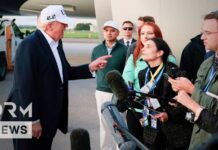
North American Aerospace Defense Command (NORAD) said two F-16s rushed to meet a general aviation plane that broke a temporary flight limit over New York on July 17, 2026, at about 4:18 p.m. Eastern time. The airspace clampdown supported security for the World Cup final at MetLife Stadium and for President Trump’s visit. The fighters signaled the pilot, used flares to be seen, and then escorted the plane out of the restricted area without incident, according to media quoting NORAD.
The Federal Aviation Administration drew a tight ring over the region using a Temporary Flight Restriction. That ring bans most small planes from entering without clearance. These rules are standard when a president attends a major event. NBC News reported before kickoff that NORAD crews, radars, and refuelers stood ready to enforce the bubble throughout the match and surrounding ceremonies. The point is simple: keep unknown aircraft away until they identify and comply.
Why Flares, And What They Mean
Flares in this context act like a bright, loud tap on the shoulder. Jet noise, radio calls, and waggling wings come first. If the pilot still does not respond, flares add urgency and visibility. The goal is attention, not force. Newsweek’s report, citing NORAD, described the flares as part of the standard ladder of measures to reach the pilot and guide the aircraft to safety. This approach respects chain of escalation and protects people on the ground and in the air.
Many readers see “flares over New York” and think missiles follow. That is not how this works. The military uses the least risk option that gets results. The rules reward pilots who correct course fast and punish those who ignore clear orders. That is common sense. When a president is nearby, the burden shifts even more to caution. NORAD’s record on these no-fly zones shows repeated, calm handling of similar errors with safe outcomes.
A Pattern Of TFR Mistakes, Not A Sign Of Malice
Temporary Flight Restriction violations happen during big visits and events. They usually trace to missed notices, bad planning, or equipment issues in small planes. Fox News reported 11 breaches near Bedminster during one Trump stay, with several interceptions and no harm. A local television segment documented four separate responses during a Trump visit to Norfolk, two full interceptions and two monitored contacts, again with no harm. The pattern supports a simple point: frequent, fixable, and usually unintentional.
I have footage of one of the interceptions by NORAD. A Piper Cherokee violated restricted airspace and was intercepted by 2 NORAD F-16’s over Bedminster and East Rutherford, NJ. This was restricted airspace due to President Trump attending the World Cup Final at MetLife Stadium. pic.twitter.com/boDxp26FPV
— Hegseth was literally an E4 (@LibbedUpPatriot) July 20, 2026
That does not mean the threat is fake. It means discipline beats drama. The right standard weighs liberty with duty. Pilots have the freedom to fly, within rules that protect stadiums, cities, and visiting leaders. Agencies have the duty to enforce those rules with clarity and restraint. NORAD’s public timeline for the New York incident, the use of visible signaling, and the safe escort checked all those boxes. That balance is the mature, conservative way to run security in a free country.
How The Security Plan Was Built
NBC News detailed how NORAD prepared for the final: alert fighters at nearby bases, layered radars, air-refueling support, and tight coordination with the Federal Aviation Administration and local command centers. The plan aimed to detect, identify, and sort aircraft fast. Most contacts would be harmless. A few might blunder into the ring. The system gives those pilots a clear path to comply. If they will not, the jets stand ready to force separation. That clarity deters risk while keeping the sky open outside the ring.
Some coverage leaned on spectacle, tying the flare burst to the presence of President Trump. The timing and location made him a factor, but the playbook would have looked the same for any sitting president or former president. The no-fly zone, the alert fighters, and the intercept ladder are standard for events on this scale. NORAD’s plain-language statement and the independent reporting align on the core facts: a breach occurred, the jets responded, the pilot complied, and the situation ended safely.
Bottom Line For Pilots And The Public
Pilots must check notices and plan routes like pros. If a World Cup final, a parade, or a presidential stop is nearby, assume there is a ring, read the rules, and call if uncertain. Failing to do so puts you, your passengers, and thousands on the ground at risk. For the public, the sight of fighters and flares can feel alarming. It should also feel reassuring. The guardrails worked as designed, and the game went on as planned.
Sources:
youtube.com, dailybaku.az, newsweek.com, homeland.house.gov
© patriotnewsdaily.com 2026. All rights reserved.