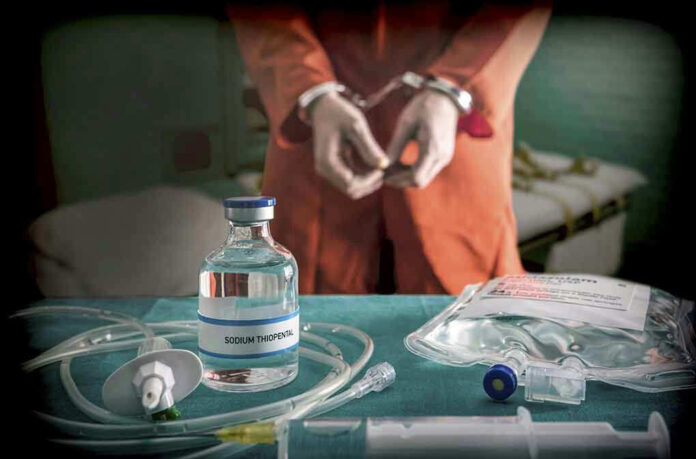
Concerns over cruel and unusual punishment erupted after Tennessee executed Byron Black, a medically vulnerable death row inmate, while his heart device remained active—raising alarms about constitutional rights and government accountability.
Story Snapshot
- Byron Black, executed in Tennessee, reportedly suffered from repeated shocks due to his heart implant during lethal injection.
- Legal battles failed to prevent the execution despite warnings of unconstitutional pain and distress.
- The case highlights tensions between justice for victims’ families and protections for medically vulnerable inmates.
- Experts warn this precedent may erode Eighth Amendment safeguards and fuel debates about execution protocols.
Execution of Byron Black Ignites Constitutional Debate
On August 5, 2025, Tennessee carried out the execution of Byron Black, a 69-year-old inmate with severe health conditions and an implanted cardiac device. Black was convicted for the 1988 murders of his girlfriend and her two daughters and spent over three decades on death row. In the months leading up to his execution, Black’s legal team fiercely contested the state’s decision to proceed without deactivating his heart device, arguing this would expose him to repeated, painful shocks as lethal chemicals circulated—an outcome they contended violated the Eighth Amendment’s ban on cruel and unusual punishment.
Despite these warnings, the Tennessee Supreme Court vacated an injunction requiring the device’s deactivation just days before the scheduled execution. Medical professionals at Nashville General Hospital declined to intervene, and the Department of Corrections moved forward. Witnesses reported that Black appeared to be in significant distress during the injection, which advocates described as “torture.” The Clay family, relatives of the victims, expressed relief and closure after decades of legal uncertainty, but debate over the ethical and constitutional ramifications erupted nationwide.
Legal and Medical Ethics Collide Amid Political Pressure
The Black case unfolded as part of a broader debate over the death penalty’s application to inmates with disabilities or severe health issues. Black’s health had sharply declined in recent years; he was wheelchair-bound, diagnosed with dementia and heart failure, and reliant on his implanted device. His defense team argued that these factors, combined with intellectual disability claims, rendered execution not only inhumane but legally indefensible. Tennessee, under pressure from victims’ advocates and a public demanding closure, prioritized enforcement of the sentence—demonstrating the enduring influence of law-and-order priorities in the state’s justice system.
Legal experts and medical ethicists have underscored the unprecedented nature of executing an inmate with an active cardiac device, warning that it raises unresolved questions about the intersection of medical technology and capital punishment. The lack of clear protocols for such cases leaves room for error and potential constitutional violations, putting the state at risk of future legal challenges and undermining public confidence in the justice system’s ability to respect basic rights even as it enforces the law.
Broader Impact: Precedent, Policy, and Conservative Concerns
The aftermath of Black’s execution is likely to reverberate far beyond Tennessee. Advocacy groups for disability rights, legal organizations, and medical professionals have all cited the case as a warning sign: without better safeguards, vulnerable inmates could face excessive and unintentional suffering at the hands of the state. For conservatives who value constitutional protections, this sets a dangerous precedent—one that risks eroding Eighth Amendment rights and opening the door to further government overreach or neglect of due process. The case may prompt legislative or procedural reviews in Tennessee and other states, particularly regarding executions involving medical devices or disabilities, as well as increased scrutiny of how execution protocols align with American principles of justice and humane treatment.
He killed a woman and two kids. I’m glad he felt pain. That’s called justice. https://t.co/5Jq3WlHGIG
— Matt Walsh (@MattWalshBlog) August 5, 2025
While some view the execution as a necessary fulfillment of justice and closure for victims’ families, others see it as a troubling example of systemic failure to accommodate the vulnerable—raising the specter of unchecked state power. The debate underscores the importance of vigilance in defending constitutional rights and ensuring government actions do not stray beyond the boundaries set by the nation’s founding principles, especially amid ongoing tensions over the proper limits of punishment, due process, and individual liberty in America’s legal system.
Sources:
Axios, “Death row inmate with heart implant reported pain as he was executed”
CBS News, “Tennessee executes man with implanted heart device despite concerns over shock risk”