Subpoenas demanding answers from Bill and Hillary Clinton and top law enforcement officials reignite the battle over government transparency and elite accountability in the explosive Epstein scandal.
Story Highlights
- The House Oversight Committee has subpoenaed Bill and Hillary Clinton, former Attorneys General, FBI Directors, and the DOJ for all records tied to Jeffrey Epstein’s crimes.
- Chairman James Comer’s bipartisan investigation seeks to expose the truth behind Epstein’s network, potential cover-ups, and the Department of Justice’s handling of the case.
- The probe targets both Democrat and Republican officials, demanding not just testimony but all internal DOJ communications, including those with the Biden administration.
- Victim privacy is being protected through redactions, but the scope and targets of this investigation are unprecedented and raise stakes for all involved.
Congress Launches Sweeping Subpoenas in Epstein Probe
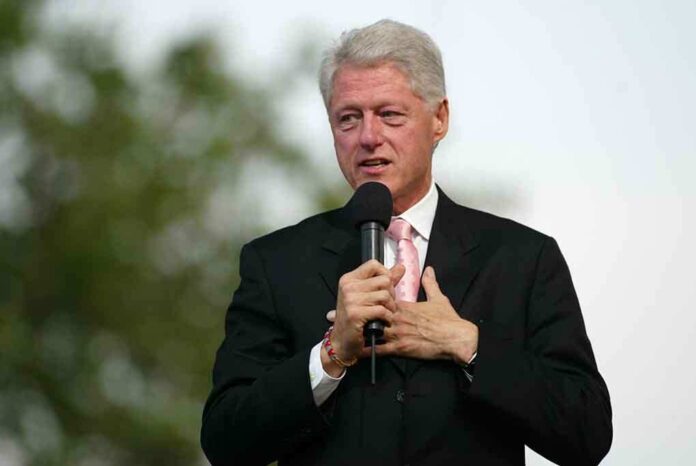
On August 5, 2025, the House Oversight Committee, under Chairman James Comer, issued broad subpoenas to former President Bill Clinton, former Secretary of State Hillary Clinton, eight former Attorneys General and FBI Directors, and the Department of Justice. The committee seeks deposition testimony and all DOJ records relating to the Jeffrey Epstein sex trafficking case, signaling a dramatic escalation in the effort to uncover the full extent of Epstein’s crimes and any official cover-ups. The bipartisan move follows persistent public demand for transparency and accountability after years of speculation about Epstein’s connections to powerful figures.
Epstein, a convicted sex offender, was first arrested in 2019 on federal sex trafficking charges. His death in jail, under highly suspicious circumstances, prevented an open trial and left many questions unanswered about who else may have been involved or protected. The latest subpoenas represent a rare moment of unity between Republicans and Democrats on the subcommittee, with a focus on forcing the Department of Justice to reveal all communications, including those from the Biden administration, and ensuring that any misconduct or shielding of high-ranking individuals is brought to light.
Scope and Targets: Unprecedented Breadth and Bipartisan Backing
The investigation stands out for its unusually broad scope, covering not only the Clintons but also high-level law enforcement officials from both parties. Those subpoenaed include James Comey, Loretta Lynch, Eric Holder, Merrick Garland, Robert Mueller, William Barr, Jeff Sessions, and Alberto Gonzales—individuals who held power during critical periods in the Epstein saga. The committee’s demands for unredacted DOJ files and direct testimony strike at the heart of concerns about elite protection, government overreach, and the fundamental principle that no one is above the law. Amendments to the subpoenas require the redaction of victim identities to balance transparency with privacy rights.
Persistent frustrations over past failures to hold elites accountable—especially regarding the Clintons and DOJ leadership—have fueled conservative demands for action. The subcommittee’s actions mark a sharp break from business as usual, seeking to restore trust by showing willingness to investigate both sides of the aisle. The involvement of figures like Rep. Scott Perry and Rep. Andy Biggs underscores the seriousness of the probe and the pressure on agencies previously seen as untouchable.
Implications: Political Tensions, Legal Battles, and the Fight for Accountability
The immediate aftermath of the subpoenas has intensified political tensions in Washington. The Department of Justice and those subpoenaed have yet to respond publicly, raising expectations of legal battles over executive privilege, privacy, and compliance. Short-term, the investigation raises the stakes for all involved, with reputations, legal standing, and even institutional trust on the line. Long-term consequences could include significant revelations about government misconduct, changes in oversight of federal investigations, and lasting damage to the legacies of those implicated—no matter their party affiliation.
The probe’s bipartisan support provides rare legitimacy, but also increases the risk of politicized fallout. While the committee claims to focus on truth and transparency, critics warn of potential grandstanding or undermining of ongoing law enforcement efforts. Nonetheless, for many concerned with constitutional values, limited government, and the dangers of elite impunity, the investigation represents a crucial test of whether justice will finally reach even the most protected figures in American life.
Expert commentary notes the legal complexity and public importance of the case, with scholars emphasizing the need for transparency while cautioning against politicization. Major media and official committee releases confirm the facts and scope of the investigation, though the ultimate impact will depend on the willingness of those subpoenaed to comply and the committee’s persistence. As depositions are scheduled and document production begins, the spotlight will remain on Congress to deliver the accountability and answers the public has demanded for years.
Sources:
2025.08.05 Subpoena Cover Letters
House Oversight Committee Issues Subpoenas for Epstein Files (Video)
Subpoena to DOJ on Records Related to Jeffrey Epstein