Six people are dead across three quiet Michigan places after a midday shooting, and police say the suspect is among them.
Story Snapshot
- State police report six dead, including the suspected shooter, and one person critically hurt.
- Troopers raced to the first scene at about 11:40 a.m. on August 14, 2026.
- Investigators worked three locations in Missaukee County, tying one case across miles.
- Police identified the suspect as 39-year-old Chad Hickman and later said the public was safe.
What Police Found And When They Found It
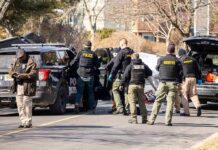
Michigan State Police said troopers first arrived around 11:40 a.m. Friday after a report of shots fired in Missaukee County. They found multiple victims and an urgent, active scene. As teams spread out, they discovered more victims at two other locations. By evening, police said six people were dead, including the suspected shooter, and one victim remained in critical condition at a hospital. Detectives and crime-scene units locked down each site to secure evidence, photos, and witness accounts.
Police identified the suspect as 39-year-old Chad Hickman during the search and later announced he had been located, with no ongoing threat to the public. Earlier, officers urged residents to steer clear of the roads near the scenes to allow ambulances and investigators through. The state police public information team gave staged updates as counts solidified. That ensured families and neighbors got clear guidance about safety while investigators confirmed details across the different scenes.
Three Scenes, One Chain Of Violence
Detectives worked a home on South LaChance Road, a separate residence, and a wooded area near Whitlock Lake, linking evidence across the three places. Troopers said they first found three people dead and one person critically hurt, then later found additional victims at the other locations, bringing the total number of deceased to six. The spread of scenes complicated the timeline. It also stretched patrol and detective resources across rural roads and thick summer cover, where line-of-sight is short and sound travels poorly.
Police did not release a motive. They focused on stabilizing the area and securing every cartridge, footprint, and digital trace that could tie the events together. That approach fits standard major case practice. Secure the locations, triage survivors, and build the chain of facts. In rural counties, that often means calling in extra teams and using drones and dogs. It also means a slower drip of public details while the evidence map takes shape and next-of-kin notifications proceed.
How This Fits The Wider Map Of Gun Violence
This shooting happened far from a big city, but it does not sit outside the broader pattern. A decade-long analysis found that about half of shootings occur outside large cities, in small towns and rural places. Research shows rural counties face higher gun death rates per capita than the biggest urban counties, even as national coverage often centers on metro areas. The setting here matches those findings. Violence does not respect ZIP codes. It follows people, disputes, access, and moments of crisis wherever they live.
TIDBIT™: Five people were killed in a shooting in northern Michigan, and one victim remains hospitalized in critical condition. Police say the suspected gunman was found dead after a manhunt.
— Nova | Tidbit (@tidbitnova) August 15, 2026
Coverage of mass violence tends to surge when many victims are involved, but most mass killings happen in or around homes, not public squares. That detail matters for common-sense priorities. Focus on early warning, safe storage, swift restraining-order enforcement, and firm penalties for straw buyers. Support local sheriffs and state police with better data links, faster lab turnarounds, and radios that talk across agencies. These practical steps line up with conservative values: protect the innocent, punish the guilty, and fix what is broken without theater.
What Comes Next For Missaukee County
The Michigan State Police will finish scene work, gather autopsy results, and assemble a full timeline. Hospitals will update the condition of the surviving victim. Families will face the hardest calls. The attorney general’s office and county prosecutors will review the case file to close legal questions tied to any ancillary crimes. The public will look for motive, but motive often arrives late, tucked inside texts, call logs, or a single witness story. For now, police say there is no ongoing threat to residents.
Sources:
townhall.com, clickondetroit.com, washingtonpost.com, theguardian.com, thetrace.org, nbcnews.com, projects.apnews.com
© patriotnewsdaily.com 2026. All rights reserved.