Bandits abducted over 160 worshippers mid-prayer in Kaduna, Nigeria, in January 2026, sparking debates over whether this signals Christian genocide or part of indiscriminate carnage killing tens of thousands across faiths.
Story Snapshot
- Over 160 worshippers kidnapped during Sunday services in Kaduna State, January 2026, amid attacks on villages and a Catholic school.
- Violence kills beyond religious lines, with Muslims suffering the vast majority of 40,000+ insurgency deaths since 2009.
- US airstrikes on Christmas Day 2025 targeted jihadists to protect Christians, but UN rejects “genocide” label.
- 3.5 million internally displaced persons face Africa’s largest overlooked humanitarian crisis, with funding plummeting below $200 million in 2026.
- Oversimplified narratives risk deepening divides in a nation gripped by insurgency, banditry, and farmer-herder clashes.
Timeline of Recent Atrocities
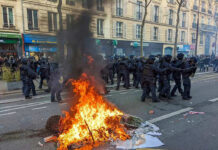
Armed groups struck Maiduguri on Christmas Eve 2025, targeting a mosque and market, killing Muslim worshippers. The US launched airstrikes the next day against jihadist positions in northern Nigeria to safeguard Christians. Days later, assailants hit northwest villages, slaying dozens, and attacked students near a Catholic school in Papiri. In January 2026, bandits seized more than 160 worshippers during Sunday services in Kaduna State. These events unfold amid nationwide chaos.
Roots of Nigeria’s Endless Crisis
Boko Haram ignited the insurgency in 2009 from Nigeria’s northeast, later aligning with ISIS-West Africa splinters. Over 40,000 people died, thousands of schools and health centers lie destroyed, and more than 2 million remain displaced in that region alone. Violence spread nationwide. Northwest states like Zamfara, Katsina, and Sokoto suffer banditry with mass kidnappings and extortion, displacing 1 million. Central belt farmer-herder clashes, fueled by climate degradation, compound the toll. Separatist and oil-related strife pushes total internally displaced persons to 3.5 million, 10% of Africa’s figure.
Stakeholders in the Crossfire
Mohamed Malik Fall, UN Resident and Humanitarian Coordinator in Nigeria, spotlights multifaceted violence affecting all groups. He rejects the “Christian genocide” claim, noting Muslim-majority deaths, and presses Nigerian authorities for ownership alongside donor funding. Boko Haram and ISIS-WA drive jihadist aims. Armed bandits dominate northwest rural zones for profit through kidnappings. The US administration ordered 2025 Christmas airstrikes for religious protection. Nigerian federal and state governments handle security and aid, but militants control swaths of territory.
Federal and state leaders bear primary response duties amid UN warnings of donor fatigue. International players like the US shape dynamics through military moves, potentially fueling narrative fractures. Bandits and militants displace civilians unchecked. Fall advocates economic reintegration over endless aid, aligning with common sense self-reliance that conservative values champion—teaching communities to fish rather than handing fish indefinitely.
The Latest Attack on Christians in Nigeria Leaves 160 Dead https://t.co/wk7y0F7CKm #gatewaypundit via @gatewaypundit
— Kittygiggle (@SaraiAdams7743) February 5, 2026
Humanitarian Collapse and Lasting Scars
Violence cuts economic lifelines, depriving millions of dignity. An entire generation matures in displacement camps, facing destroyed infrastructure and inaccessible farms. Short-term horrors include mass abductions, killings, and flight; long-term effects spawn camp dependency and social rifts from misguided blame. All faiths suffer—Muslims from mosque strikes and insurgency, Christians from church raids, farmers and herders alike. Humanitarian funding crashes from $1 billion peaks to $262 million last year and under $200 million projected for 2026.
Clashing Narratives Demand Clarity
Fall declares insecurity strikes without religious or ethnic distinction, countering US officials’ “Christian genocide” rationale for airstrikes. UN data underscores untargeted impacts, with Muslims comprising most of 40,000 deaths, while acknowledging church attacks echo precedents like 2014 Chibok. Banditry evolved into an extortion economy, worsened by climate pressures on land. Oversimplification ignores these realities, risking divides that common sense and conservative principles abhor—facts over emotion preserve unity against shared threats.
Sources:
Violence roiling Nigeria extends beyond religious lines, amid a deepening humanitarian crisis