Trump’s public declaration that Ukraine can win the war against Russia upends years of calculated ambiguity and raises the stakes for global diplomacy, economic warfare, and the future of US foreign policy.
Story Snapshot
- Trump delivers a dramatic shift, stating Ukraine can defeat Russia, after years of hedging and skepticism.
- He openly criticizes Putin and threatens new sanctions and tariffs if Russia does not end the war by a set deadline.
- US halts arms supplies to Ukraine, heightening pressure for negotiations and increasing uncertainty for Ukrainian defense.
- Trump’s pivot realigns US diplomatic posture and challenges the transatlantic consensus on handling Russian aggression.
Trump’s Rhetorical Pivot: Confidence, Criticism, and Consequences
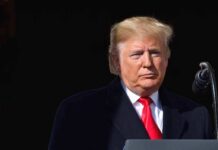
President Donald Trump stepped before the world’s cameras in London, shoulder to shoulder with UK Prime Minister Keir Starmer, and made a proclamation few saw coming: Ukraine, he declared, is “successfully coping with challenges” and can win the war against Russia. For years, Trump had maintained a posture of uncertainty, often questioning the feasibility of Ukrainian victory and expressing skepticism about Western support. This sudden shift—public, pointed, and laden with consequences—was not just a rhetorical flourish. It marked a new chapter in the war’s diplomacy, with Trump directly criticizing Vladimir Putin for failing to end the conflict and laying out punitive threats if Russia refused to negotiate.
Trump told reporters he “hoped the war between Russia and Ukraine would be resolved, relying on my relationship with President Putin. However, he let me down.” The statement was more than personal disappointment—it was a signal that Trump’s patience had run out and that the US was prepared to weaponize economic pressure. New sanctions and tariffs were threatened, with deadlines set and shortened. Russia now faced a ticking clock: end the war or face intensifying economic isolation. Trump’s messaging, once ambiguous, was now unambiguously in Ukraine’s favor—though, notably, direct military aid was halted, indicating a pivot toward negotiation by leverage rather than by arms.
The Timeline and Diplomatic Maneuvering
Trump’s shift did not happen in a vacuum. The timeline of events reveals a calculated escalation. On July 14, 2025, he threatened secondary tariffs on nations trading with Russia if peace wasn’t achieved within 50 days. By July 28, he had shortened the deadline, warning Russia to end the war within 10–12 days or face sanctions. As September 2 approached, Trump hinted at having learned “interesting things” about the war, signaling that consequences were imminent if peace talks didn’t materialize. The crescendo came during the September 17–18 UK state banquet and press conference, where Trump not only expressed confidence in Ukraine but also called Putin out for failing to deliver on expectations. This diplomatic choreography put pressure not only on Russia but also on Ukraine, which now faced both the encouragement of US rhetoric and the reality of diminished military support.
UK Prime Minister Keir Starmer stood with Trump, reinforcing the Western message of solidarity with Ukraine. King Charles III echoed the importance of supporting Ukraine, adding moral weight to the proceedings. Yet, beneath the surface, European leaders were left to navigate a new landscape—one where US support was now contingent on economic rather than military means, and where diplomatic unity was at risk from diverging approaches to deterrence and negotiation.
Impact on Stakeholders: Power Dynamics and Uncertainties
This shift reverberates through the core stakeholders of the conflict. Trump, the key US decision-maker, has now positioned himself as a champion of Ukrainian resilience—on his terms. Putin, once considered a Trump confidant, is publicly rebuked and faces mounting economic threats. Ukrainian President Volodymyr Zelenskyy, caught between the hope of victory and the logistical realities of reduced US aid, must recalibrate strategy and expectations. The US Congress and State Department, NATO, and the EU are all drawn into the new dynamic, balancing calls for negotiation against the imperative to deter Russian escalation.
NEW: President Trump changes his tone on Ukraine and says the country could take back all the land it lost to Russia. He calls Putin’s Russia a ‘paper tiger’. pic.twitter.com/sHHaoOjp2C
— Fraser Jackson (@FrazJ) September 23, 2025
Trump’s transactional approach—using deadlines and sanctions as leverage—introduces uncertainty for all parties. Ukraine’s dependence on Western support is now complicated by US policy shifts. Russia, facing new economic isolation, may escalate attacks out of desperation or seek new alliances. European leaders, vocal in their support for Ukraine, must adapt to shifting US priorities and brace for potential fallout in regional stability and humanitarian crises.
Analysis: Short-Term Shockwaves and Long-Term Ripples
The immediate effects are visceral. Ukrainian forces fight on, but without new US arms deliveries, logistical and strategic vulnerabilities multiply. Russian attacks intensify as Moscow tests Western resolve. Economic markets jitter at the prospect of new sanctions and tariffs, threatening further destabilization. The social cost—displacement, casualties, war fatigue—compresses into a humanitarian crisis that defies easy resolution. Politically, Trump’s pivot has polarized US opinion and strained transatlantic alliances, challenging the traditional deterrence model and testing the limits of economic warfare.
Long-term, the precedent of using economic tools over military ones in major conflicts may redefine the West’s response to aggression. If Ukraine is forced into an unfavorable settlement, the credibility of Western deterrence could suffer. Conversely, some analysts argue Trump’s approach might force a swifter resolution and reduce casualties. The unpredictability of Trump’s foreign policy—its transactional, deadline-driven nature—complicates predictions and leaves both allies and adversaries guessing.
Sources:
Trump threatens Russia with tariffs, sanctions over Ukraine war (USA Today)
Trump signals possible consequences if peace talks do not materialize (Charter97)
Trump administration phasing out security support for Eastern Europe (Defense One)