
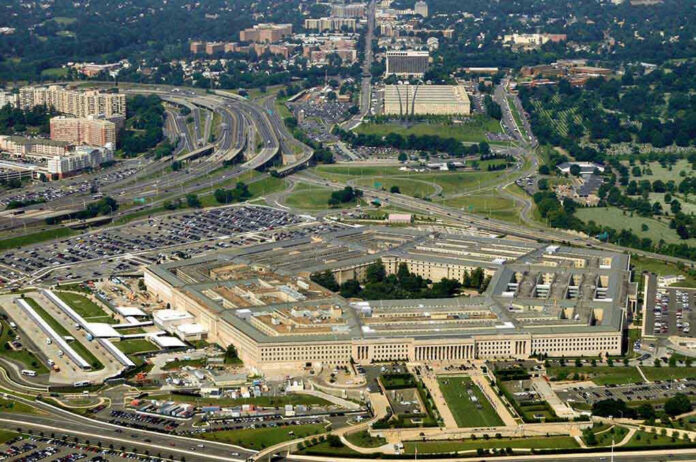
A new executive order could reshape the US military’s identity, stirring debates over America’s defense posture.
Story Snapshot
- President Trump plans to rename the Department of Defense to the “Department of War.”
- The move reverses a 1949 decision signaling a shift in military and national security rhetoric.
- Defense Secretary Pete Hegseth is tasked with proposing actions for the name change.
- Public and political reactions are expected to be polarized, reflecting broader defense debates.
Trump’s Executive Order and Its Implications
In a potentially historic move, President Donald Trump is preparing to issue an executive order directing the renaming of the Department of Defense to the “Department of War.” This decision seeks to return to the name under which the department was known prior to the 1949 National Security Act, which aimed to signal a shift from a purely war-fighting entity to a broader defense institution. The move is intended to project strength and clarity in U.S. military posture.
Secretary of Defense Pete Hegseth, a Trump appointee and known traditionalist, is tasked with proposing legislative and executive actions to implement the change. This decision has sparked considerable debate, reflecting the contentious nature of U.S. defense policy and the symbolic weight of the department’s name. As the executive order approaches final review, it is poised to ignite discussions on national security and military identity.
Cultural and Political Reactions
The proposal to revert to the “Department of War” name is seen as both symbolic and practical, suggesting a more aggressive military posture. Supporters argue it brings clarity and honesty to the department’s mission, while critics warn it could signal an increase in militarization and a shift away from diplomatic efforts. The name change could further polarize public opinion, especially amid Secretary Hegseth’s low approval ratings and the narrow margin of his Senate confirmation.
Public opinion is divided, with many questioning the necessity and implications of the name change. Organizations like the ACLU express concerns about potential impacts on civil liberties, while some military historians believe the “Department of War” label better reflects the department’s core mission. The debates highlight broader tensions in U.S. defense policy and military philosophy.
Potential Impact on U.S. Defense Policy
Renaming the Department of Defense to the “Department of War” could have significant implications for U.S. defense policy and its global image. In the short term, it may lead to intense political debate and confusion within the military and among allies. Long-term effects could include a more aggressive U.S. military posture and potential shifts in defense policy priorities, affecting military personnel, veterans, and international relations.
As the executive order nears its anticipated signing date, military and political stakeholders will closely watch the developments. The move sets a precedent for revisiting symbolic aspects of post-WWII reforms, posing questions about the future trajectory of American military doctrine and national security strategy.
Sources:
DefenseScoop (Hegseth confirmation, DOD priorities)
Wikipedia (Hegseth biography, confirmation details)
AP-NORC (Public opinion polling)
ACLU (Civil liberties analysis, Hegseth’s record)