
ICE is launching a major crackdown on 6,000 Iranian nationals who violated their legal status in the United States, with nearly half already under final deportation orders and 1,300 having criminal convictions.
Key Takeaways
- Approximately 6,000 Iranian nationals who entered legally but violated their status are now targeted for potential detention and removal by ICE.
- Nearly 1,300 of these individuals have criminal convictions, while 2,970 already have final deportation orders issued against them.
- During the Biden administration, Border Patrol apprehended around 1,500 Iranians crossing illegally, with about half later released into the U.S. interior.
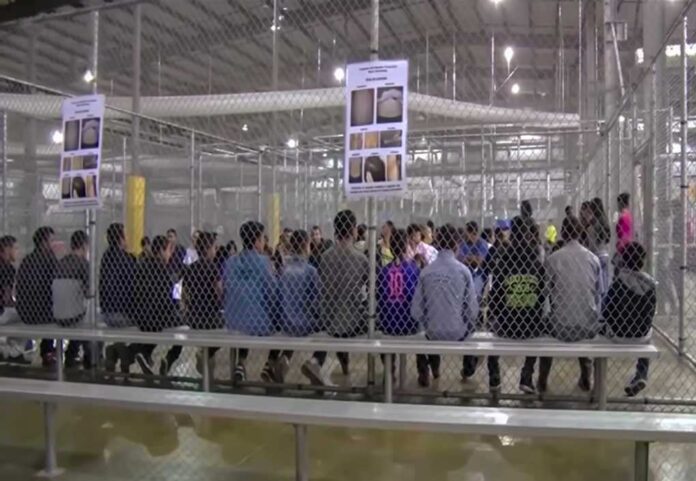
- Over 100 Iranian nationals illegally present in the United States have been arrested by ICE in recent operations, with 670 currently held in detention facilities.
ICE Enforcement Operations Target Thousands of Iranian Nationals
Immigration and Customs Enforcement (ICE) has intensified operations targeting approximately 6,000 Iranian nationals currently on the agency’s non-detained docket. These individuals initially entered the United States legally but subsequently violated the terms of their entry or overstayed their visas, placing them in violation of American immigration law. The enforcement action represents a significant shift toward addressing national security concerns and enforcing existing immigration laws that had been neglected under previous policies.
Of particular concern are the nearly 1,300 Iranian nationals who have criminal convictions in addition to their immigration violations. These cases are being prioritized in the current enforcement action, with ICE officials moving swiftly to locate and detain these individuals. More alarming is that almost half of the targeted group—2,970 Iranians—already have final orders of removal issued by immigration judges but remain at large in American communities instead of being deported as legally required.
Border Security Concerns Highlighted by Illegal Entries
Beyond those who entered legally and violated status, the Biden administration’s border policies allowed approximately 1,500 Iranian nationals to enter the United States illegally. Border Patrol agents apprehended these individuals crossing the southern border without authorization, yet nearly half were subsequently released into American communities rather than being detained pending deportation proceedings. This catch-and-release approach has created additional national security vulnerabilities that the current administration is now attempting to address.
ICE’s current enforcement operations have already resulted in the arrest of over 100 Iranian nationals illegally present in the United States as of June 26, with 670 individuals currently held in detention facilities awaiting removal proceedings. These numbers are expected to increase as the agency continues its targeted enforcement actions across the country. The operations represent a return to enforcing immigration laws that had been systematically ignored during the previous administration’s tenure.
Individual Cases Highlight Long-Term Enforcement Challenges
The case of Mandonna Kashanian illustrates the complexity of these enforcement actions. The 64-year-old woman was recently arrested by ICE in New Orleans after living in the United States since entering on a student visa in the 1970s. Despite having been in the country for decades, Kashanian had never regularized her immigration status and was subject to a final order of removal. While she was initially granted a temporary stay of removal, she may still face deportation to a third country, as direct deportations to Iran remain complicated by diplomatic considerations.
Some individuals on ICE’s non-detained docket are currently serving sentences in federal or state prisons for criminal convictions. In these cases, ICE has placed immigration detainers with the correctional facilities, ensuring the agency is notified before these individuals are released so they can be transferred to immigration custody. This coordination between law enforcement agencies is critical to preventing potentially dangerous individuals from being released back into American communities after serving their criminal sentences.
Enforcement Strategy and Alternative Programs
ICE’s enforcement strategy includes Alternatives to Detention (ATD) programs for some aliens awaiting removal proceedings. These programs allow certain individuals to remain free of detention while their cases proceed through the immigration court system, typically under various forms of supervision or monitoring. However, the agency is now prioritizing enforcement against those who have violated the terms of these programs or who present potential security risks based on their backgrounds and activities in the United States.
The current enforcement actions against Iranian nationals represent a significant shift toward addressing both immigration violations and potential national security concerns. With thousands of individuals who have already received final orders of removal but remain in the country illegally, these operations are long overdue and essential to maintaining the integrity of America’s immigration system while protecting national security interests against potential threats from a hostile foreign government.