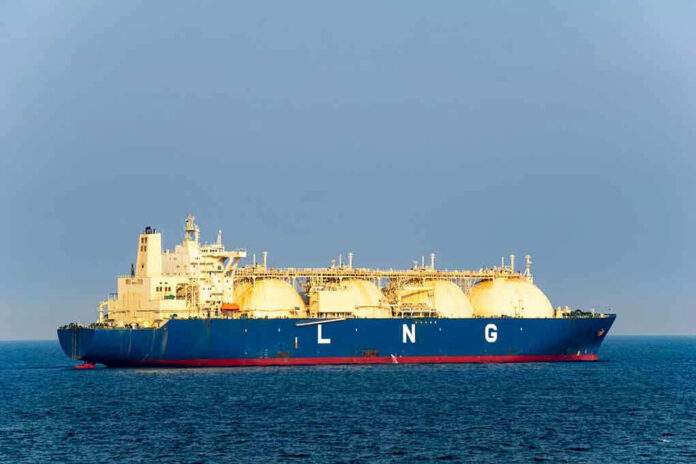
In a daring defiance of global superpower, 16 oil tankers attempt to slip through the tightening grip of a U.S.-imposed blockade on Venezuelan crude.
Story Highlights
- The U.S. has implemented a naval blockade on Venezuelan oil exports following Nicolás Maduro’s capture.
- At least 16 sanctioned tankers have departed Venezuelan ports, evading the blockade using deceptive tactics.
- The shadow fleet’s reliance on identity spoofing and AIS manipulation is under scrutiny.
- U.S. efforts to curb Venezuelan oil exports aim to dismantle the economic lifeline of Maduro’s regime.
Sanctioned Tankers on the Run
The capture of Nicolás Maduro by U.S. forces has triggered a cascade of events in Venezuela, leading to a bold attempt by at least 16 oil tankers to breach a U.S. naval blockade. These tankers, all under U.S. sanctions, departed Venezuelan ports in a coordinated effort to escape potential seizure. Utilizing tactics like spoofing identities and disabling AIS (Automatic Identification System), 15 of these tankers are part of a shadow fleet previously used for sanctioned Iranian and Russian oil movements.
The strategic departure of these vessels highlights the desperation of the Venezuelan oil sector to maintain its revenue stream amid a U.S. campaign to tighten sanctions enforcement. The blockade, part of Operation Southern Spear, represents a significant escalation in U.S. efforts to cut off Venezuela’s oil exports, which have long been a financial lifeline for the Maduro regime.
Operation Southern Spear and Its Implications
The U.S. imposed a naval quarantine on sanctioned tankers traveling to and from Venezuela on December 17, 2025. This move followed years of sanctions targeting Venezuela’s oil sector, which have forced the country to rely on opaque shipping networks known as the shadow fleet. By seizing several vessels such as Skipper, Centuries, Bella 1, and Sophia, the U.S. has demonstrated its commitment to enforcing sanctions through extraterritorial means.
This blockade not only impacts Venezuela’s ability to export oil but also sends a clear message to other countries involved in sanctioned trades. The U.S. aims to deter such practices by signaling its willingness to seize ships globally. This has significant implications for the geopolitical dynamics of oil trade, particularly for countries like China, Russia, and Iran that have been involved in sanction-evasion logistics with Venezuela.
The Shadow Fleet’s Deceptive Tactics
The shadow fleet’s tactics, including identity changes, AIS spoofing, and dark voyages, have become central to circumventing international sanctions. These maneuvers have allowed Venezuelan oil to reach buyers despite restrictions. However, the recent U.S. actions have put these practices under intense scrutiny. The coordinated departure of the 16 tankers after Maduro’s capture suggests a strategic attempt to outmaneuver the blockade and continue oil exports.
While the shadow fleet has been successful in evading detection in the past, the scale of the current operation and the U.S.’s aggressive enforcement may lead to a restructuring of these networks. The risk of seizure, legal action, and insurance loss presents significant challenges to operators engaged in high-risk trades.
Geopolitical and Economic Ramifications
The U.S. blockade on Venezuelan oil has far-reaching implications for global energy markets and geopolitical relations. For Venezuela, the immediate disruption in exports threatens to exacerbate economic challenges and strain its oil infrastructure. Storage tanks nearing capacity and the risk of reservoir damage if production halts add to the urgency of moving crude by any means necessary.
For the international community, the blockade represents a precedent for extraterritorial enforcement of sanctions. It underscores the U.S.’s determination to dismantle networks that undermine its sanctions policies. However, it also raises concerns about diplomatic friction with countries whose flagged vessels are seized. As the situation develops, the potential for geopolitical tensions remains high, especially with states like Russia and Iran that have previously aligned with Venezuela in oil trade.